
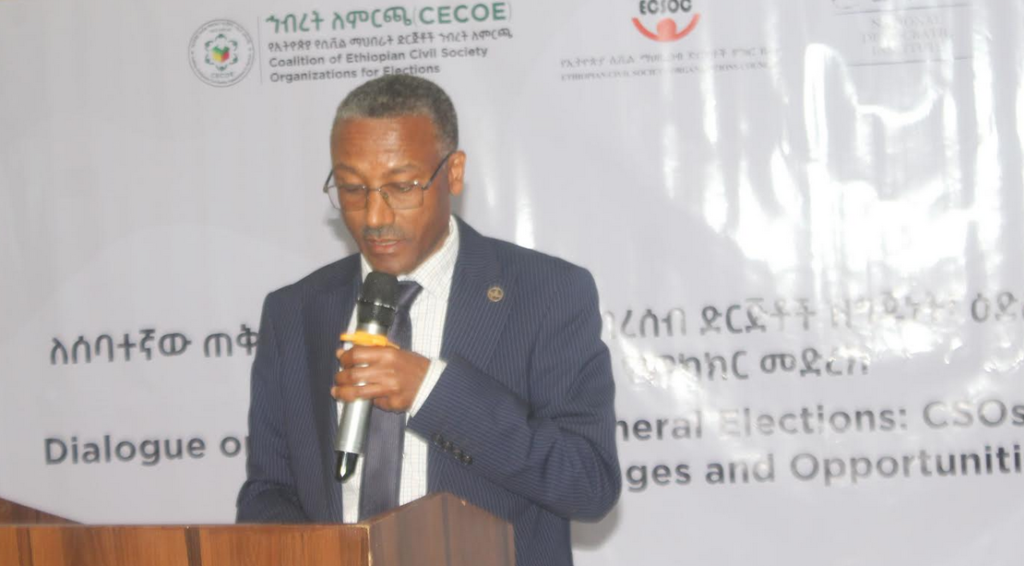
ADDIS ABEBA: As Ethiopia edges closer to its high-stakes 7th General Election, a powerful warning has erupted from the nation’s civil society frontlines. The Ethiopian Civil Society Organizations Council (ECSOC), together with the Coalition of Ethiopian Civil Society Organizations for Election (CECOE) and backed by the National Democratic Institute (NDI), has issued a resounding message: the credibility of the coming elections hangs on the readiness and active involvement of civil society.
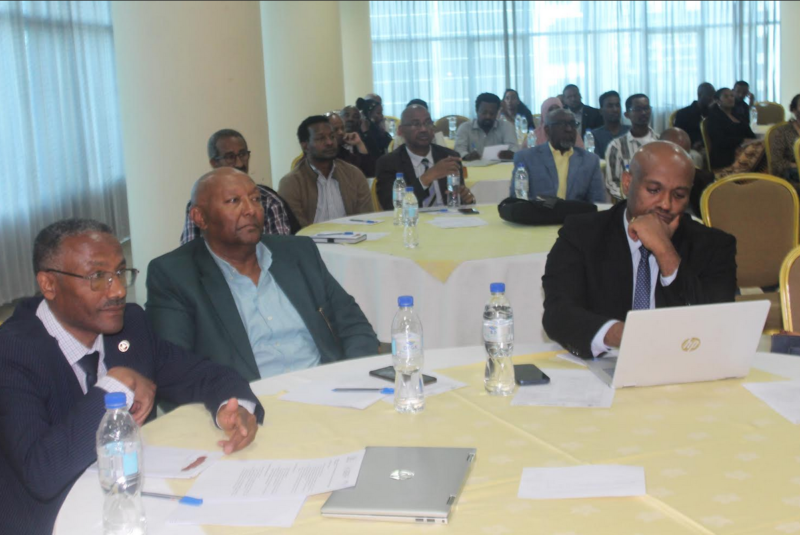
In a heated panel discussion held in Addis Abeba, experts and stakeholders painted a vivid picture of both urgency and opportunity. With elections expected to kick off in June/May, CSOs revealed a mix of concern, determination, and a fierce push for accountability as they evaluate their own preparedness.
ECSOC emphasized that Ethiopia’s electoral future cannot rest solely on the National Election Board of Ethiopia (NEBE). Instead, civil society must be at the center of voter education, transparency efforts, and defending the rule of law.
Deputy Chairperson of NEBE, Tesfaye Neway, did not mince words: “The success of the electoral process depends on the ability of various stakeholders to fulfill expectations… It requires the participation of civil society organizations and the establishment of the rule of law.”
The workshop revealed looming challenges obstacles slowing CSOs’ electoral engagement, gaps in readiness, and concerns about government–CSO cooperation. Yet, it also showcased a wave of momentum as recommendations were crafted for NEBE, ACSO, donors, and CSOs themselves marking what many see as a decisive turning point.
Terefe Degeti, Executive Director of ECSOC, underscored the critical role civil society plays in safeguarding democracy: “They act on behalf of the communities they represent… They help keep the community informed and aware, as well as ensure transparency and accountability.”
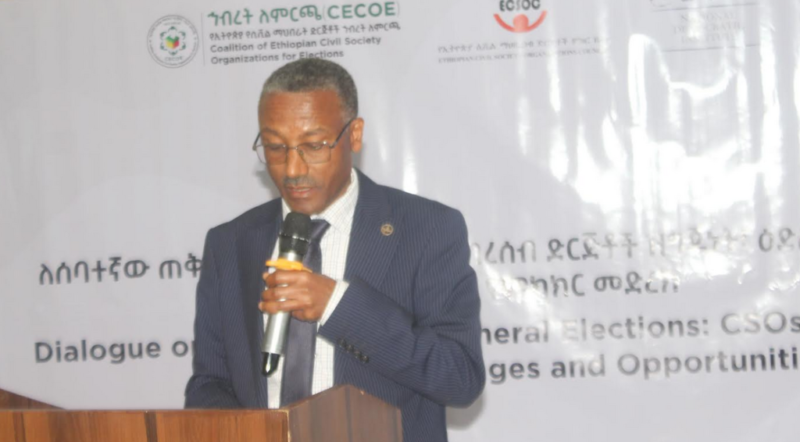
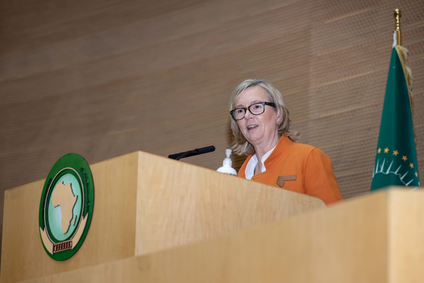
Echoing this, NDI’s Resident Director Franklin Oduro declared civil society’s participation in the upcoming election “inevitable,” emphasizing that mass public engagement is essential for sustaining Ethiopia’s political stability.
With similar workshops already planned, momentum is building and pressure is mounting. As the electoral clock ticks, Ethiopia’s civil society actors are positioning themselves not just as observers, but as guardians of transparency, defenders of democracy, and watchdogs of the nation’s most consequential election cycle in years.