
ADDIS ABABA, ETHIOPIA | 24 NOVEMBER 2026 | AFRICA NEWS CHANNEL
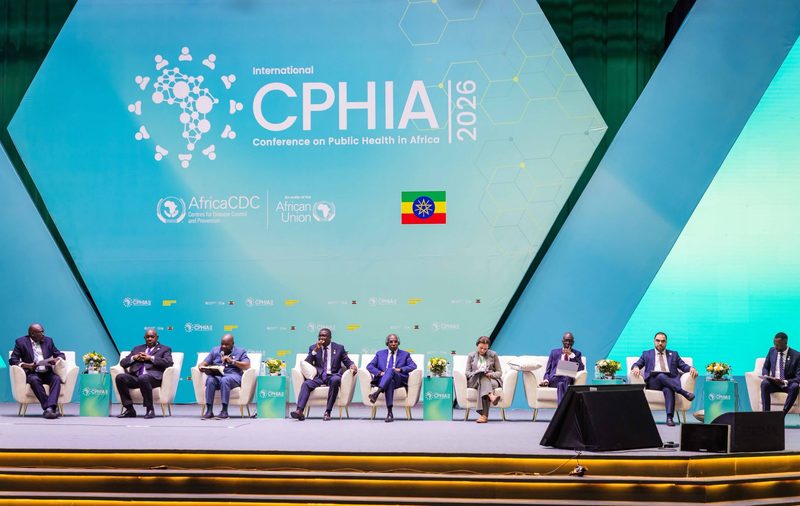
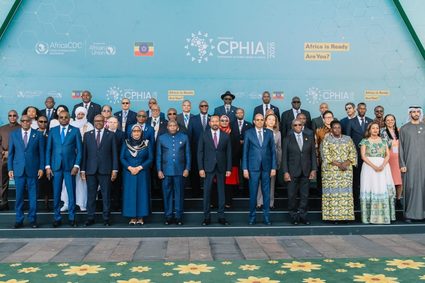
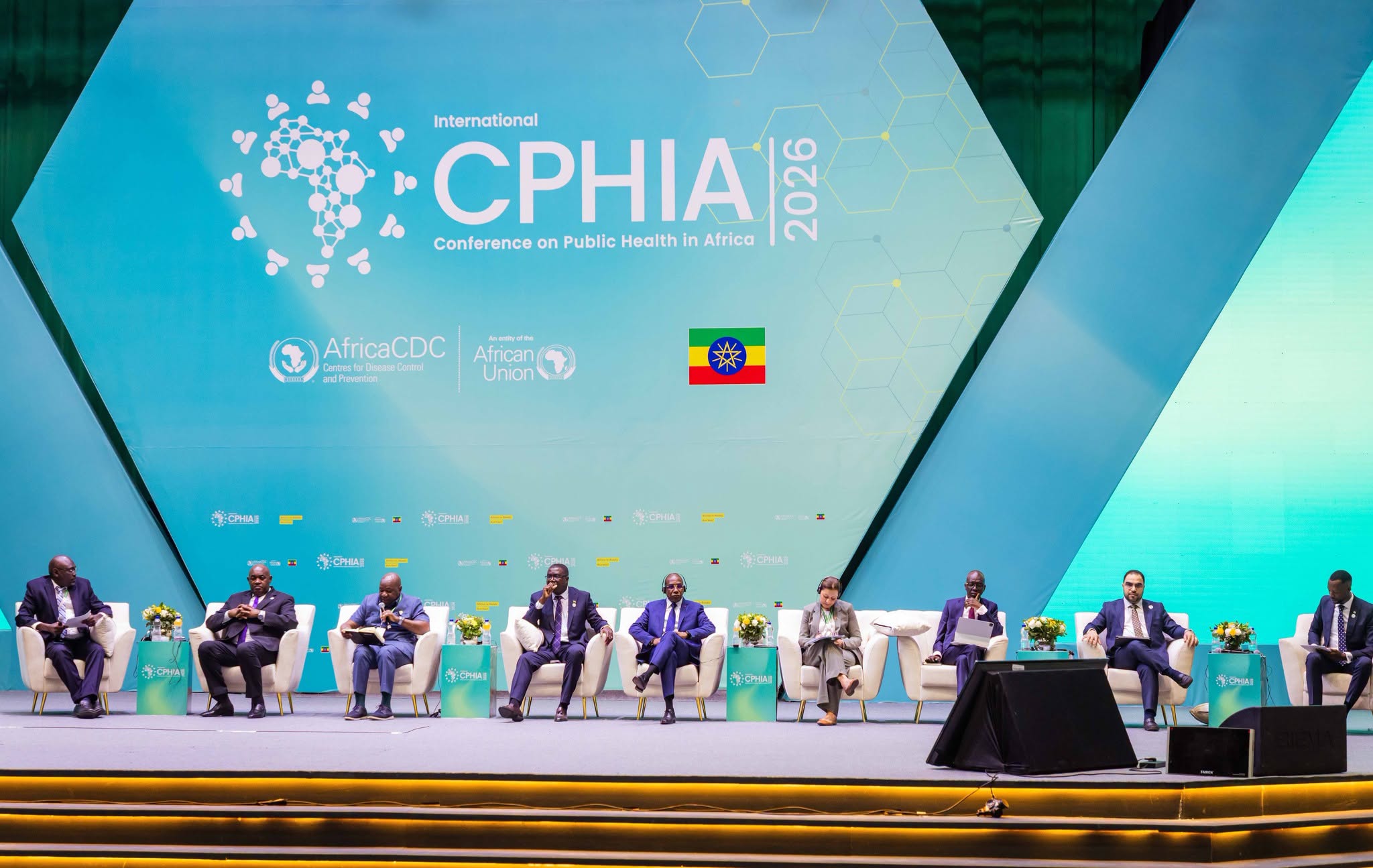
Africa is stepping up efforts to institutionalise continental pandemic preparedness, prevention and response, as African health ministers, public health experts and development partners gathered in Addis Ababa for the Fifth International Conference on Public Health in Africa (CPHIA 2026), calling for stronger institutions, sustainable financing and regional cooperation to protect the continent against future health emergencies.
The call emerged during a high-level plenary session titled “Institutionalisation of Continental Pandemic Preparedness, Prevention, and Response in Africa,” held on Tuesday, November 24, under the conference theme, Africa’s Health Security and Sovereignty: Transformation from Health Dependency and Vulnerability to Ownership and Resilience.
The discussions centred on a fundamental question: how can Africa move beyond responding to outbreaks after they emerge and establish permanent systems capable of detecting, preventing and controlling public health threats before they escalate into major emergencies?
The central message was unequivocal: pandemic preparedness cannot begin when an outbreak strikes. Africa must build its readiness before the next crisis.
Participants emphasised that sustained financing, stronger national and continental public health institutions, regulatory cooperation and coordinated emergency response mechanisms are essential to strengthening Africa’s health security.
Particular attention was given to securing vaccine manufacturing capacity, establishing advance procurement agreements and ensuring that emergency financing reaches frontline health workers and response institutions without unnecessary delays.
COVID-19 LESSONS DRIVE AFRICA’S PREPAREDNESS AGENDA
The urgency of institutionalising pandemic preparedness reflects lessons from the COVID-19 pandemic and subsequent outbreaks of mpox, Ebola, Marburg virus disease and cholera.
The pandemic exposed the vulnerabilities of African health systems, particularly dependence on imported vaccines and medical supplies, limited domestic manufacturing capacity, inadequate emergency financing and unequal access to essential health technologies.
A 2026 study published in The Lancet Global Health, titled Institutionalising Public Health Emergency Preparedness and Responses in Africa: Lessons Learned During the 2022–2025 Outbreaks with Crossborder Spread Potential, highlights the importance of maintaining preparedness investments between emergencies.
The research identifies national public health institutes, emergency operations centres, decentralised laboratories, digital surveillance systems and clinical trial capabilities as essential foundations for effective outbreak response.
It also highlights Uganda’s rapid establishment of the world’s first Sudan virus vaccine efficacy trial within four days of confirming its 2025 outbreak, demonstrating the value of institutional readiness and established scientific capabilities.
The findings reinforce the message emerging from CPHIA 2026: Africa cannot afford to rebuild its emergency response capacity every time a new disease threatens the continent.
FINANCING, VACCINE PRODUCTION AND REGIONAL COOPERATION
Sustainable financing emerged as a central requirement for institutionalising pandemic preparedness.
Participants stressed that African countries need predictable domestic health financing and accessible emergency funding mechanisms rather than relying primarily on external assistance when outbreaks occur.
The African Epidemics Fund and the broader Africa Health Security and Sovereignty Agenda represent important continental initiatives aimed at strengthening African ownership of health emergency financing.
The discussions also highlighted the importance of regional regulatory cooperation, vaccine manufacturing and advance procurement arrangements to ensure that African countries can access essential medical products during emergencies.
Africa CDC’s ambition to produce at least 60% of the continent’s vaccine requirements locally by 2040 provides a longer-term framework for reducing pharmaceutical dependence and strengthening continental manufacturing capacity.
However, achieving this ambition requires sustained investment in scientific research, technology transfer, skilled professionals, quality assurance and regional pharmaceutical markets.
BUILDING A PERMANENT CONTINENTAL HEALTH SECURITY SYSTEM
The plenary also underscored the importance of stronger coordination between national governments, public health institutions, laboratories and regional emergency response mechanisms.
Because infectious diseases cross national borders, effective preparedness requires timely information sharing, coordinated surveillance and the ability to mobilise technical and financial resources across countries.
Participants highlighted the need to strengthen early-warning systems, emergency operations centres, laboratory networks and mechanisms for deploying trained health professionals during public health emergencies.
Community engagement and effective risk communication were also recognised as important elements of preparedness, particularly in addressing misinformation and strengthening public trust during outbreaks.
FROM CPHIA 2026 COMMITMENTS TO MEASURABLE ACTION
As the conference continues in Addis Ababa, the discussions on pandemic preparedness reinforce the broader ambition of CPHIA 2026 to transform Africa’s health systems from dependency and vulnerability towards ownership, resilience and self-reliance.
The challenge facing African governments and continental institutions is now to translate these priorities into measurable investments, stronger institutions and practical implementation.
Preparedness must become a permanent responsibility of national health systems, supported by predictable financing, scientific innovation, regional solidarity and accountable leadership.
The message from CPHIA 2026 is clear: Africa must not wait for the next pandemic to discover the weaknesses of its health systems. The continent must invest, coordinate and prepare today to protect millions of lives tomorrow.
Africa’s health security begins long before the next outbreak.
AFRICA NEWS CHANNEL | SPECIAL COVERAGE FROM CPHIA 2026
Addis Ababa, Ethiopia | 24 November 2026 by Ayele Addis Ambelu