

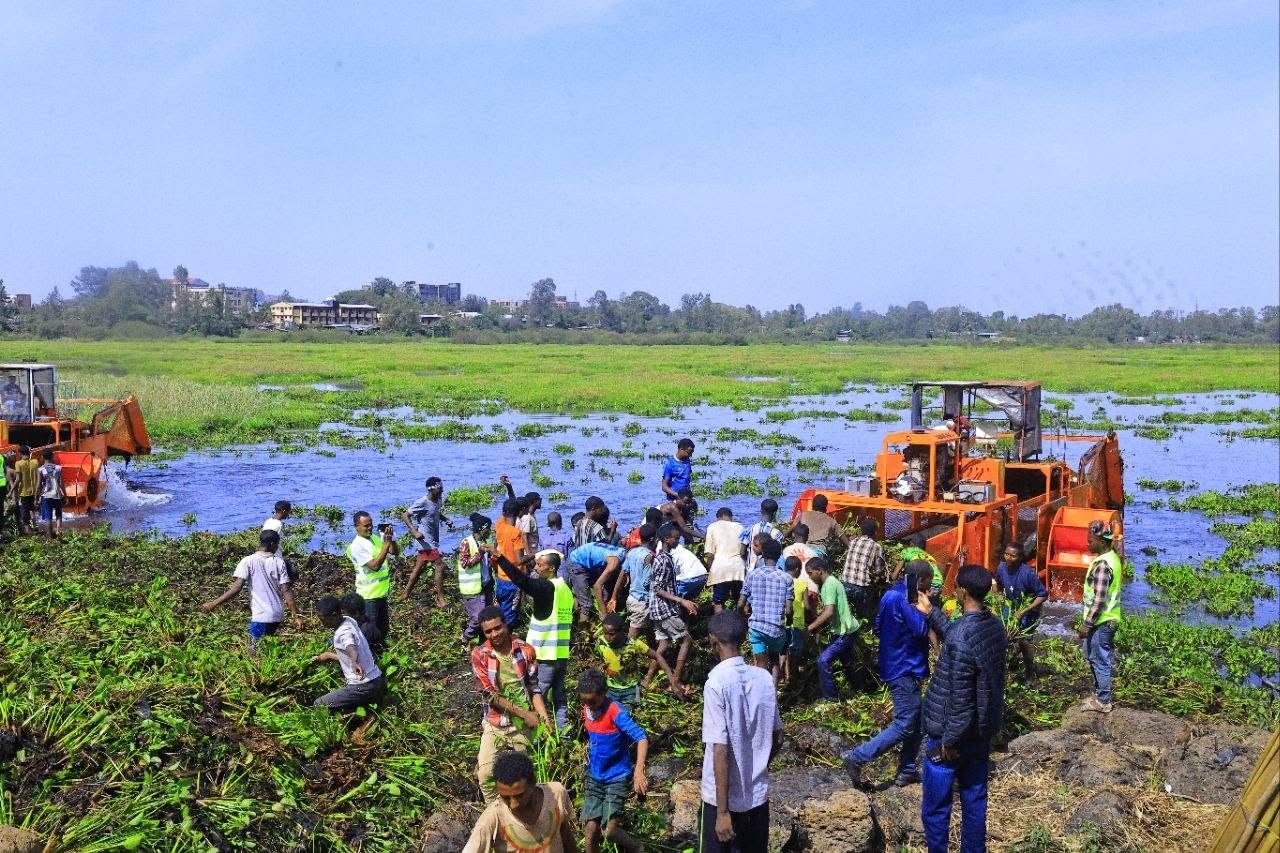
As the ocean’s capacity to absorb carbon weakens, research reveals the mounting pressures on Lake Tana’s water quality and fisheries. Farmers and fishers describe the human cost, scientists warn against treating symptoms instead of causes, and COP31 ends without consensus on its central political decisions, leaving a critical question for Ethiopia ahead of COP32: who will turn climate promises into protection on the ground?
By Ayele Addis Ambelu | Africa News Channel | COP31 Ocean Virtual Reporting Fellowship
BAHIR DAR, ETHIOPIA / ANTALYA, TÜRKİYE, 22 November 2026
The warning from the world’s oceans has travelled far beyond the coastlines. It reaches the Ethiopian Highlands through a climate system connecting ocean temperatures, atmospheric circulation, rainfall, rivers, freshwater ecosystems and the livelihoods of communities whose survival depends on water.
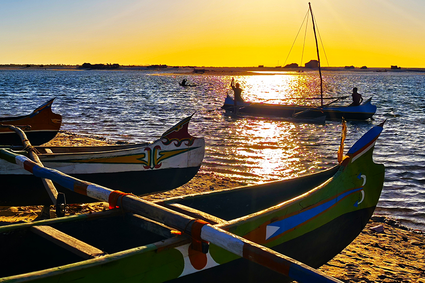
At Lake Tana, Ethiopia’s largest lake and the source of the Blue Nile, the warning is visible in a different form. Water hyacinth spreads across parts of the freshwater ecosystem, fishing grounds become harder to access, and questions grow over water quality, watershed degradation, nutrient pollution and the sustainability of restoration efforts.
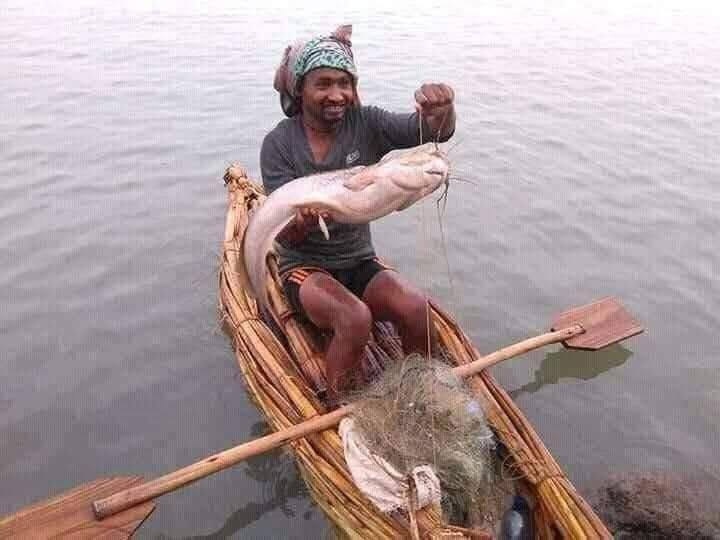
For local fisherman Mr. Hailu Gebr Egezabher, the crisis is not measured only in hectares of vegetation or laboratory readings. It is experienced in the difficulty of reaching fishing grounds, navigating through plants, protecting nets and returning home with enough income to support his family.
“When we leave the shore, we are not thinking only about the fish anymore,” Hailu said. “We are thinking about whether we can reach the place where we used to work, whether the nets will move freely, and whether the time we spend on the lake will be worth the money we need to bring home.”
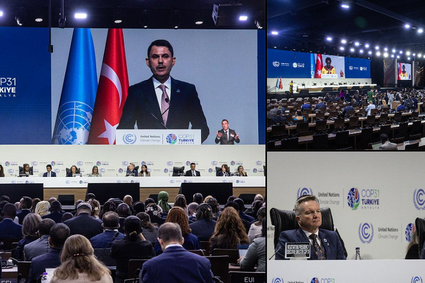
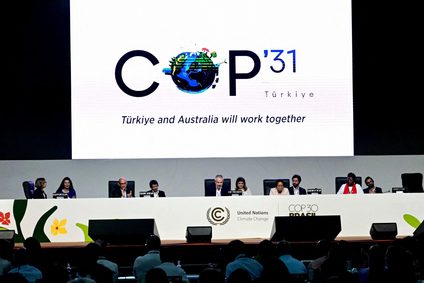
Thousands of kilometres away, the United Nations climate conference in Antalya, Türkiye, has ended in a political confrontation over fossil fuels, climate finance and the future of global climate cooperation. On 22 November, after negotiations extended more than two days beyond the scheduled closing, countries failed to agree on the Presidency-led cover decision intended to provide the summit’s overarching political outcome.
The contradiction is striking. The ocean is absorbing enormous quantities of heat and carbon from human activity, freshwater ecosystems are confronting multiple environmental pressures, and communities are being asked to adapt. Yet governments remain divided over the language and resources needed to address the crisis.
Lake Tana and the ocean are not the same ecosystem, and the lake’s environmental problems cannot simply be attributed to ocean warming. Their connection is the wider Earth system: ocean conditions influence atmospheric circulation; atmospheric processes interact with regional rainfall; rainfall affects watersheds and rivers; and human activities shape the vulnerability of freshwater ecosystems.
The investigation therefore follows a question that matters to a landlocked country: how does a global ocean–climate crisis connect to Ethiopia’s freshwater resources, and are international climate commitments strong enough to help protect the people and ecosystems facing environmental change?
THE OCEAN IS CARRYING THE WORLD’S HEAT, BUT ITS CLIMATE SERVICE IS UNDER PRESSURE
The ocean has been humanity’s greatest natural buffer against the accelerating climate crisis. It absorbs heat and carbon dioxide that would otherwise contribute to even greater atmospheric warming. But this protection is increasingly under pressure.
A report released by the United Nations ahead of COP31 warned that the ocean absorbs approximately 30 per cent of human-caused carbon dioxide emissions and 90 per cent of excess heat trapped by greenhouse gases. The same report estimated that climate change has already reduced the ocean’s capacity to absorb carbon by approximately six per cent.
The report’s lead author, Sara Traerup, described the danger in an interview: “For a long time the ocean has been doing us an enormous climate service, but that service is under increasing pressure.”
The warning matters because the ocean’s ability to regulate the climate depends on interconnected physical, chemical and biological processes. Rising temperatures, changing circulation, acidification, deoxygenation and ecosystem degradation can disrupt the ocean’s capacity to absorb and store carbon.
When that natural climate service weakens, more carbon remains in the atmosphere, adding pressure to an already warming planet.
The consequences are not confined to coastal communities. Ocean-driven climate processes interact with the atmosphere and influence weather and rainfall systems far inland. Countries without coastlines can therefore experience climate risks through agriculture, freshwater availability, river flows, heat, drought and changing rainfall patterns.
For Ethiopia, the ocean is not a distant environmental issue. It is part of the climate system that influences the conditions under which farmers cultivate land, rivers carry water and freshwater ecosystems sustain livelihoods.
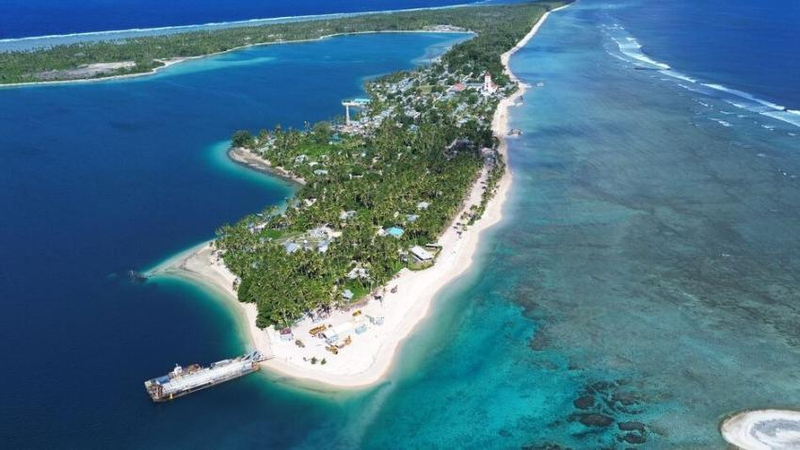
© UNDP/TCAP | The Tuvalu archipelago is located in the west-central area of the Pacific Ocean.
LAKE TANA’S INVISIBLE CRISIS: WATER HYACINTH IS CHANGING MORE THAN THE LAKE’S APPEARANCE
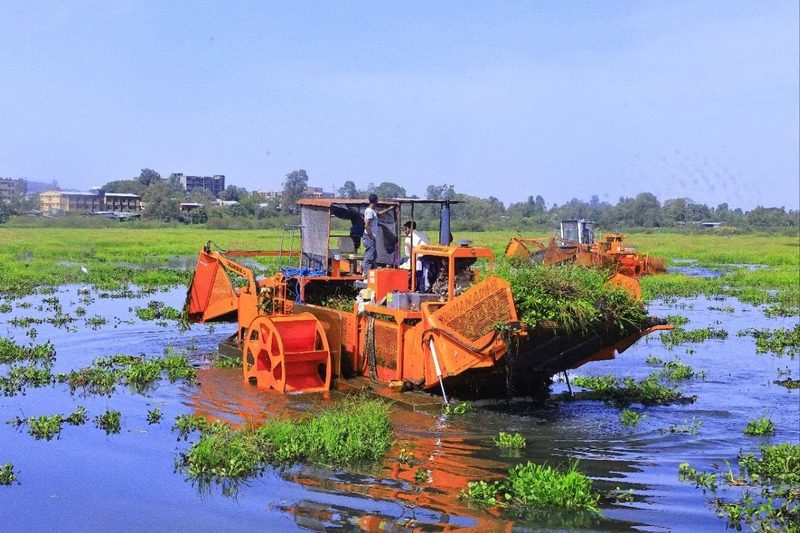
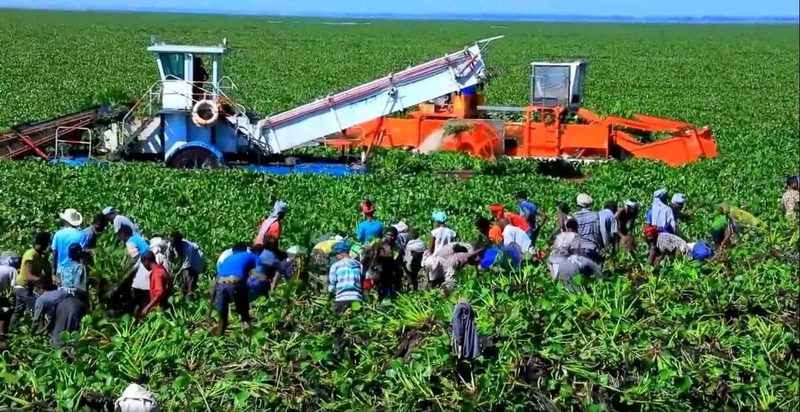
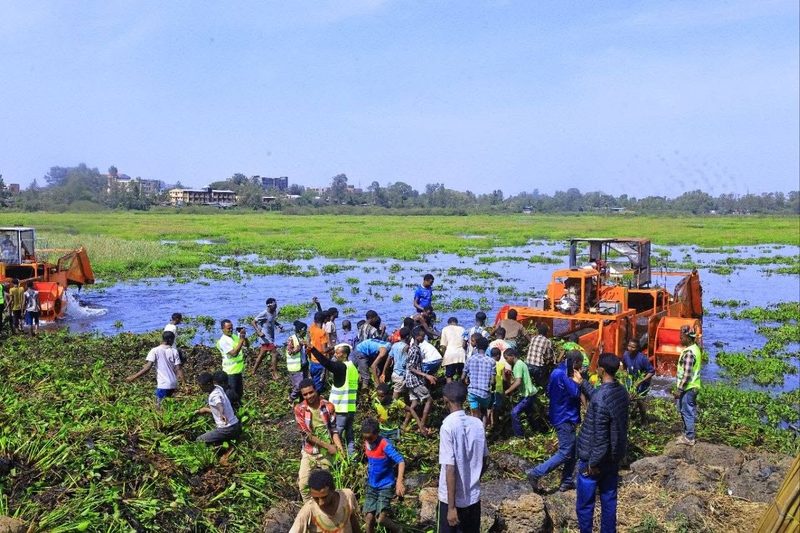
Lake Tana’s water-hyacinth infestation has become one of the most visible symbols of the environmental pressures confronting the lake. Dense floating vegetation can obstruct waterways, interfere with fishing and transportation, affect aquatic habitats and alter the physical and chemical conditions of the water.
But the visible plants are only one part of a much wider ecological story.
A peer-reviewed study published on 21 May 2026 in the journal Water, titled Hydrological and Water Quality Implications of Water Hyacinth: A Case Study of Lake Tana, Ethiopian Highlands, examined differences between infested and open-water areas.
Researchers Alemu B. Mengesha, Temesgen Enku, Assefa M. Melesse and Minychl G. Dersseh found that dissolved oxygen in sampled hyacinth-covered areas averaged 6.65 milligrams per litre, compared with 7.93 milligrams per litre in open water. Water temperature was also higher in the infested conditions, averaging 23.70°C, compared with 22.08°C in open water. The study also recorded lower pH under hyacinth cover.
The research examined another important consequence: water loss through evapotranspiration. In controlled pond experiments, water loss from hyacinth-covered conditions was approximately 1.6 times the evaporation measured in open water. The researchers estimated monthly evapotranspiration at approximately 0.28 cubic metres per square metre.
When extrapolated to lake conditions, the study estimated potential water losses of approximately 0.78 million to 7.01 million cubic metres per month. However, this range must be interpreted carefully. It is an extrapolation based on the study’s experimental conditions and assumptions, not a direct measurement of the entire lake’s monthly water loss.
The findings nevertheless demonstrate that water hyacinth is more than a surface obstruction. It can influence water quality, temperature, oxygen conditions and the lake’s hydrological balance.
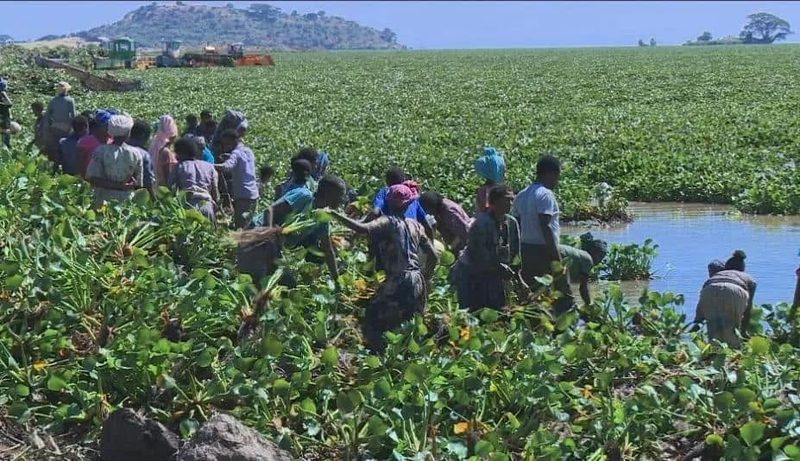
The research also raises a difficult management question: if vegetation is removed but the conditions that support its return remain, how sustainable can clean-up campaigns be?
A second study, published in Scientific Reports on 9 September 2026, examined how machine learning could improve the monitoring and prediction of water-hyacinth expansion in Lake Tana.
Researchers Haileyesus Amssaya, Fisseha Mekuria and Tesfa Tegegne analysed 20 years of weekly laboratory-based experimental data from 27 sampling sites. Among the models they tested, random forest achieved the strongest predictive performance. Total nitrogen, total phosphorus, chlorophyll-a and pH emerged as important environmental predictors.
The study suggests that monitoring nutrient concentrations and water chemistry could help identify environmental conditions associated with water-hyacinth expansion. It also demonstrates the potential of machine-learning methods to support more targeted environmental management.
But a predictive model is not proof that one factor caused the infestation. The findings identify relationships and predictors within the data analysed; they do not independently establish the relative contribution of agriculture, wastewater, land use, climate change or other pressures.
The research is important because it moves the debate beyond the question of how many hectares are covered today. It asks whether environmental authorities can identify the conditions that support expansion and use that knowledge to prevent future outbreaks.
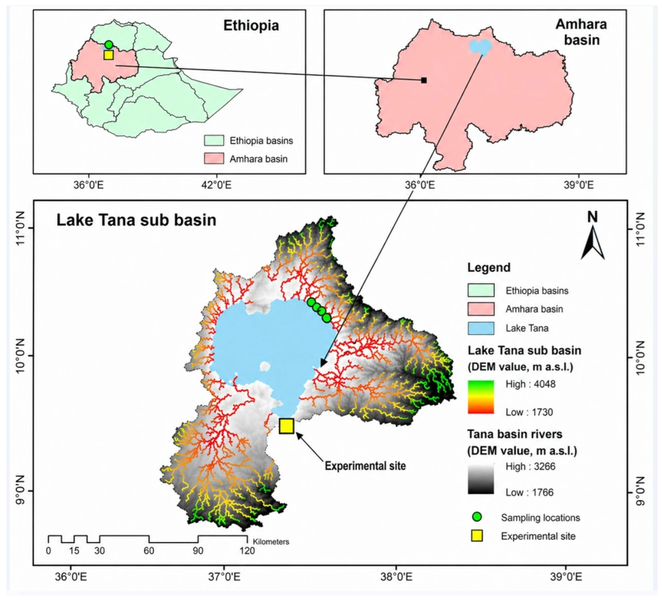
Another major investigation published in Scientific Reports on 30 April 2026 used satellite observations from 2013 to 2024 to assess the changing extent of water hyacinth in Lake Tana. The researchers combined Landsat, Sentinel-1 and Sentinel-2 observations to develop a multi-sensor monitoring approach.
The study identified a complex boom-and-bust pattern, with a major infestation peak around 2018–2019, a subsequent decline and a more recent resurgence. It also highlighted differences between satellite methods, showing why estimates of vegetation coverage can vary depending on sensor resolution, spectral indicators and classification techniques.
This is important for accountability. When an authority reports that an area has been cleared, the public needs reliable evidence showing where the intervention occurred, how much vegetation was removed and whether the same location remained clear in subsequent months.
Together, these studies point to the need for continuous monitoring rather than occasional emergency responses. Lake Tana requires a management approach that connects water quality, nutrient inputs, vegetation coverage, hydrology, fisheries, watershed conditions and community participation.
THE FISHERS ARE PAYING A PRICE AND RESEARCH IS MEASURING THE ECONOMIC DAMAGE
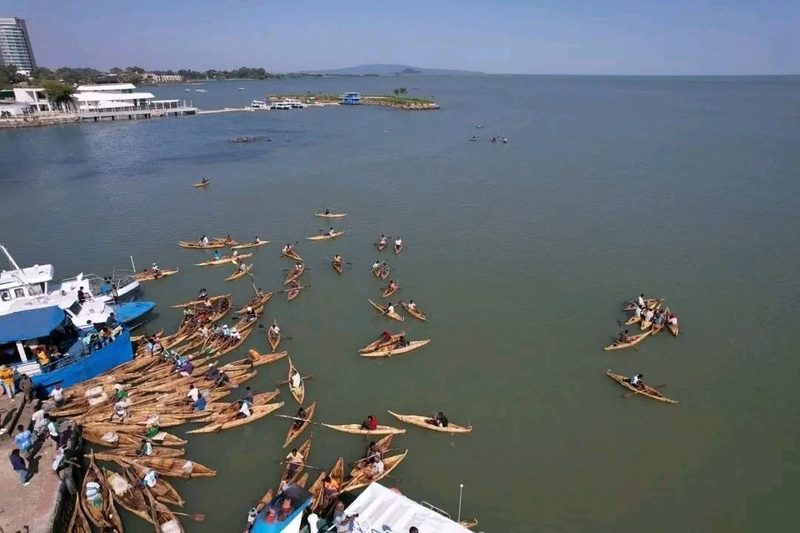
For people whose livelihoods depend on Lake Tana, environmental degradation is not an abstract scientific concern. It can affect the time required to reach fishing grounds, access to productive locations, fishing equipment, catch, operating costs and household income.
Erkie Asmare and Yibeltal Aragaw, examined the technical efficiency of fishers operating under water-hyacinth infestation conditions in Lake Tana.
The study found that technical efficiency among sampled fishers ranged from 13.5 per cent to 91.2 per cent. The researchers also estimated a yield gap of 6.46 kilograms and a corresponding per-trip revenue loss of 193.7 Ethiopian birr.
These figures describe the study’s sample and analysis; they should not be treated as a universal loss for every fisher on the lake. But they provide evidence that water-hyacinth infestation can translate into measurable economic pressure within the fishing sector.
For a fisher, the consequences may begin with a blocked route, a net caught in vegetation, or a fishing location that has become difficult to reach. When these obstacles accumulate over repeated trips, they can affect the economics of an entire household.
For Hailu Gebr Egezabher, the environmental pressure follows him home.
“There are days when the lake is there in front of us, but reaching the water we depend on is not as easy as it should be. We have to consider the vegetation, the route, the conditions and the work waiting for us,” he explained.
“If the trip becomes longer and the catch is smaller, the loss does not remain in the boat. It follows us home. Our families depend on the money we earn, and the cost of living does not wait for the lake to become better.”
His account illustrates the human dimensions of the research. A difficult fishing trip may mean additional time on the water, equipment exposed to damage, fewer opportunities to fish and uncertainty over the income available to support a family.
But Hailu also raises a question about the effectiveness of restoration itself.
“We want the lake protected, but we also need the people who depend on it to be included in the solutions. Removing the plants is important, but what happens next matters too. If they return, if the fishing areas remain difficult, and if our income continues to fall, we are still living with the same problem,” he said.
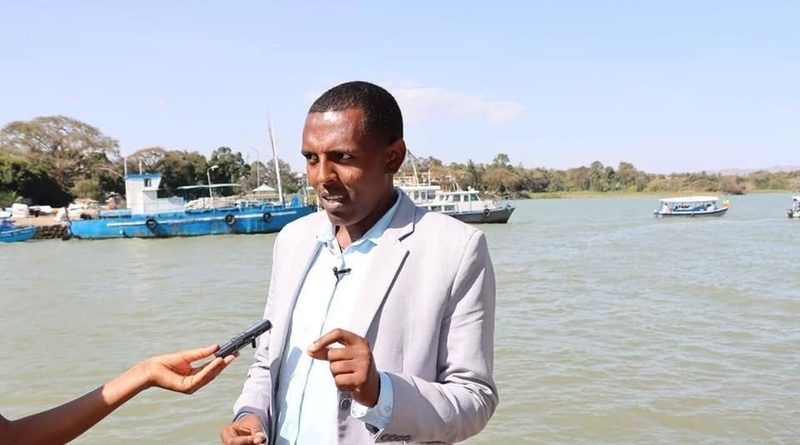
His testimony does not establish how much of his livelihood pressure is attributable to water hyacinth, climate change, fish stocks, market prices or other factors. Those causes require further investigation and corroboration through fishing records, locations, household income evidence and interviews with other fishers.
But his message is clear: restoration cannot be judged only by the volume of vegetation removed. It must also be judged by whether fishing grounds become accessible, livelihoods recover and communities are included in decisions about the lake.
THE SCIENTIST’S WARNING: THE LAKE NEEDS MONITORING, NOT JUST EMERGENCY CLEAN-UP
The scientific challenge is to understand why water hyacinth expands, what environmental conditions support its return and whether management interventions are producing lasting results.
Dr. Goraw Goshu of the Blue Nile Water Institute at Bahir Dar University, whose expertise includes aquatic and wetland ecosystems, fisheries and invasive species, warns against treating water hyacinth as the lake’s only problem.
“The lake should not be treated as if water hyacinth were the only problem. It is important to understand what allows the plant to expand, how the conditions of the water are changing, and how human activity interacts with the ecosystem,” Dr. Goraw said.
“If we only remove vegetation when it becomes visible, we may be responding to the symptoms without addressing the conditions that support its return.”
His assessment is particularly relevant in light of the recent machine-learning research identifying nitrogen, phosphorus, chlorophyll-a and pH as important predictors of water-hyacinth expansion.
“Monitoring nutrients, water quality, vegetation coverage, temperature and the seasonal changes of the lake gives us a much stronger basis for management,” he explained.
“The scientific question is not simply how many hectares are covered today. We also need to understand where the plant is likely to expand, what environmental factors influence it, and whether our interventions are producing lasting results.”
His warning points to the need for a continuous scientific monitoring system that connects research with practical decisions. Environmental authorities need reliable measurements of water quality, nutrient concentrations and vegetation coverage. Researchers need access to consistent data. Communities need to know whether restoration efforts are working and whether the lake is recovering.
The scientist’s message also exposes an important distinction in the climate debate. The identification of nutrient-related predictors does not prove that climate change caused the water-hyacinth infestation. Agricultural runoff, erosion, wastewater, land-use change, seasonal conditions and other pressures may interact, but their relative contributions must be established through site-specific evidence.
Climate change may influence the lake through changes in rainfall, temperature, evaporation, inflows and seasonal variability. Establishing those connections requires meteorological records, hydrological measurements and long-term ecological monitoring.
The central question is whether scientific knowledge will be translated into action before the environmental conditions supporting degradation become more difficult and expensive to reverse.
FARMERS ON THE WATERSHED FRONTLINE: THE LAKE’S TROUBLE MAY BEGIN FAR UPSTREAM
Lake Tana’s environmental crisis does not begin and end at the shoreline. The lake receives water from a broad watershed of agricultural land, settlements, tributaries, wetlands and communities whose activities can influence the condition of the freshwater ecosystem downstream.
Rainfall over degraded slopes and agricultural land can transport soil, sediment and nutrients through drainage channels and rivers toward the lake. Where soil conservation and nutrient management are inadequate, these processes can contribute to pressures on downstream water quality.
But farmers cannot simply be blamed for the environmental condition of the lake. Agriculture is essential to food security and household income. The investigation must examine the circumstances in which farmers work, the support available to them and the resources required to adopt sustainable practices.
For Mr. Abebe Yigezu, a farmer interviewed during field reporting, protecting the watershed cannot be separated from the daily struggle to maintain agricultural production and support his family.
“We depend on the land because it is what gives us food and income. When the rains are difficult to predict, when the soil is carried away, or when the harvest is not what we expected, we have to find a way to continue,” Abebe said.
He understands the importance of watershed protection, but argues that farmers need more than instructions.
“A farmer needs to know how to do them, what tools are available, whether the land will still produce enough, and who will help when the costs are too high.”
His account exposes a central contradiction in environmental restoration. Farmers are encouraged to conserve soil, plant trees, reduce erosion and adopt better agricultural practices, but these measures can require labour, tools, inputs, technical advice and investment that many households cannot easily afford.
“Protecting the lake should begin with protecting the people who live and work around it,” Abebe said. “We cannot be asked to protect the environment and then be left without the means to feed our families.”
His words bring the investigation into the politics of climate and environmental justice. Communities expected to protect ecosystems should not be left to absorb the costs of restoration alone. They need agricultural extension, locally appropriate technologies, reliable climate information, financial support and a meaningful role in decisions.
The relationship between farming and lake pollution must also be established through physical evidence. Erosion on a farm does not automatically mean that sediment reaches Lake Tana. The investigation must trace drainage pathways, examine tributaries, identify erosion sites and use water-quality measurements to assess nutrient and sediment movement.
The Ethiopian Meteorological Institute’s rainfall and temperature records, agricultural research and watershed assessments can help distinguish long-term climate trends from seasonal variability and other pressures.
A watershed cannot be sustainably restored by shifting the burden of environmental protection onto vulnerable farmers.
HOW THE OCEAN CAN INFLUENCE RAIN FAR FROM THE COAST
Ethiopia may have no coastline, but it is not isolated from the ocean-driven climate system. Ocean temperatures can influence atmospheric circulation and the movement of moisture, with consequences for regional weather patterns and rainfall.
Conditions over the Indian Ocean and Pacific Ocean are among the factors scientists examine when assessing East African rainfall variability. The Indian Ocean Dipole and El Niño–Southern Oscillation, for example, can influence regional climate patterns, although their effects vary by season and location.
For communities around Lake Tana, rainfall determines planting schedules, agricultural production, river flows, soil moisture and the amount of water entering the lake and its tributaries. Changes in rainfall distribution, prolonged dry periods or intense rainfall can affect the watershed, influencing erosion, sediment movement and freshwater ecosystems.
The connection is not a simple direct line from ocean warming to water-hyacinth expansion. It is a chain of interacting processes: ocean conditions influence the atmosphere; atmospheric circulation affects regional rainfall; rainfall interacts with highland topography, land use and vegetation; and these conditions influence the watershed and lake.
The Ethiopian Meteorological Institute is an essential source for testing this connection. Its climate scientists and forecasting specialists should explain what long-term rainfall and temperature records reveal around Lake Tana, how ocean–atmosphere patterns influence seasonal rainfall, and how reliable forecasts can support farmers and fishers.
A single poor rainy season does not prove climate change, just as one period of heavy rainfall does not establish a long-term shift. Reliable conclusions require long-term observations, consistent records and careful assessment of natural variability.
For farmers, seasonal forecasts can help inform planting and soil-conservation decisions. For fishers, weather information can support safer planning. For water managers, hydrological and meteorological observations can improve preparedness for drought and flooding.
The ocean’s influence on Ethiopia cannot be measured simply by distance from the coast. It must be traced through the atmosphere, regional climate patterns, rainfall records and the lived realities of communities on the ground.
WHO IS RESPONSIBLE FOR SAVING LAKE TANA?
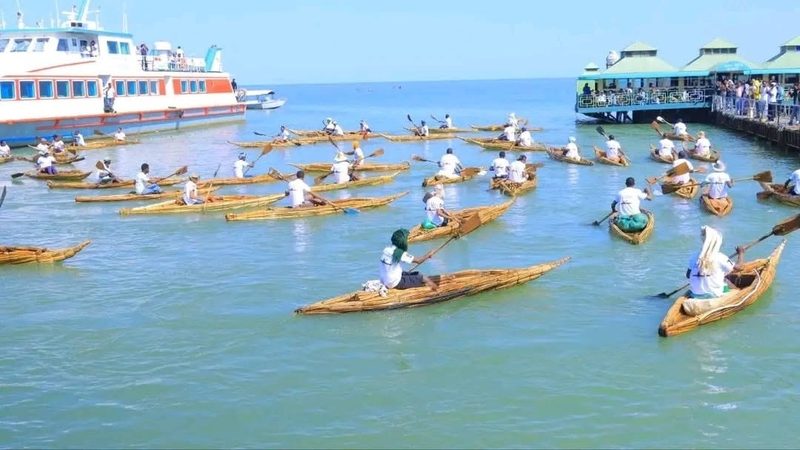
Lake Tana’s environmental crisis is also a test of institutional responsibility. Water-hyacinth removal, watershed restoration, water-quality monitoring, fisheries management and long-term ecological protection require sustained coordination, public resources, scientific expertise and community participation.
The institutional landscape has reportedly changed following the merger of the former Lake Tana and Other Water Bodies Protection and Development Agency into the Amhara Regional Environmental Protection Authority. The current Authority must therefore explain its responsibilities, operational capacity and plans for protecting the lake.
Gashaw Masefint, a pest-control specialist at the Authority, as a source on operational challenges affecting water-hyacinth control. Gashaw Masefint described problems involving mechanical harvesting equipment, including fuel shortages and a lack of replacement parts. It also raised questions about the progress of a proposed buffer-zone regulation intended to protect the lake and its tributaries from pollution. These reported conditions require an updated response from the Authority.
The questions are urgent. How many harvesting machines are operational today? How much money has been allocated to fuel, spare parts, maintenance and manual removal? How much of the infested area has been cleared, and how much has become reinfested? What progress has been made on buffer-zone protection and the control of pollution entering the lake?
The Blue Nile Water Institute at Bahir Dar University, led by Dr. Goraw Goshu, is an important research institution for understanding water resources, aquatic ecosystems and the wider environmental pressures affecting the basin. Its scientific contribution should be connected with the work of environmental authorities and watershed-management institutions.
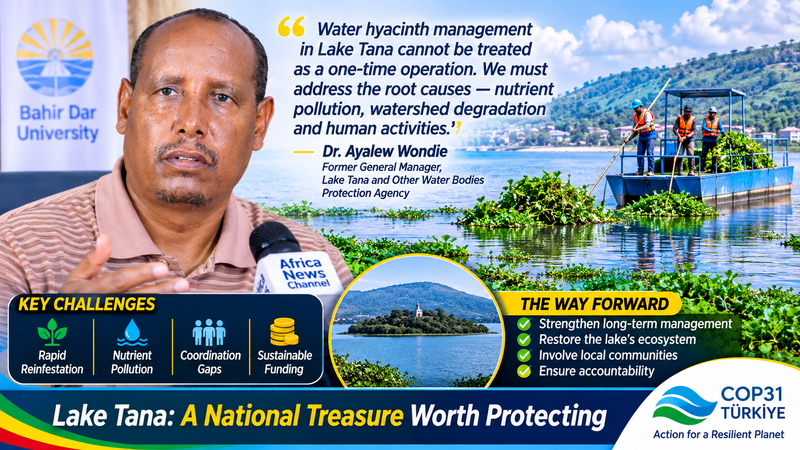
“Water hyacinth management in Lake Tana cannot be treated as a one-time operation. The experience of earlier interventions shows that removing the visible vegetation is only one part of the challenge. The real task is to establish a sustainable system that prevents its rapid return and protects the lake’s ecological balance.”
Dr. Ayalew Wondie, identified at the time as General Manager of the Lake Tana and Other Water Bodies Protection Agency, said “We must understand the conditions that allow water hyacinth to expand. Water quality, nutrient pollution, human activities around the lake and changes in the surrounding environment all need serious attention. If these underlying factors are not addressed, mechanical removal alone cannot provide a lasting solution.”
Dr. Ayalew Wondie: Lessons from Lake Tana’s Earlier Management Efforts described “Another important lesson is that responsibility for protecting Lake Tana should not rest with one institution. Government offices, universities, researchers, local communities and development partners must work together. Scientific evidence should guide interventions, while communities whose livelihoods depend on the lake must participate in planning and implementation.”
Dr. Ayalew finalizes “The question we should be asking is not simply how much water hyacinth has been removed, but whether the lake is recovering, whether the cleared areas remain free of reinfestation and whether the institutions responsible have the resources and commitment to sustain the work. Lake Tana is a national ecological asset. Protecting it requires continuity, accountability, adequate resources and a long-term commitment beyond temporary campaigns.”
The Abbay Basin Administration Office and regional water, agriculture and environmental institutions also have important roles in watershed protection and basin-level coordination. The lake is part of the wider Abbay, or Blue Nile, Basin, meaning that its tributaries and surrounding catchment cannot be separated from its ecological health.
One significant initiative is the Protecting Water Supplies and Catchments in Ethiopia’s Tana Subbasin (ProTana) project. The World Resources Institute, WaterAid Ethiopia, ORDA Ethiopia, Millennium Water Alliance and the Abbay Basin Administration Office are among the partners involved in this five-year initiative.
According to WRI, the project’s first seedling-planting campaign took place in July 2026 across four selected micro-watersheds in Farta, Dera and North Mecha. A total of 152,333 seedlings were planted, and more than 1,000 people participated, almost half of them women. The selected watersheds cover more than 2,100 hectares.
These are significant implementation figures, but the real test is whether the planted trees survive, whether degraded land is recovering, whether erosion is declining and whether communities experience measurable improvements in water security and livelihoods.
Bahir Dar University and the Ethiopian Bio and Emerging Technology Institute have also discussed research on integrated water-hyacinth management, including biological control using weevils and the restoration of papyrus vegetation. The university’s report identified Professor Nigus Gabiye, Dr. Mulisa Jida and Dr. Gashaw Tilahun among the participants in the research discussion. Dr. Gashaw Tilahun was identified as Director of the School of Fisheries and Wildlife and coordinator of the Integrated Water Hyacinth Management Project.
The existence of these projects and research initiatives is important, but their announcements do not by themselves demonstrate that the lake is recovering. The public needs evidence of restored areas, water-quality changes, vegetation trends, equipment performance, expenditure and community participation.
The government response must therefore be an accountability test. If officials report success, they should provide the data. If programmes have fallen short, they should explain the reasons and what will change.
Protecting Lake Tana is a shared responsibility, but shared responsibility must never become an excuse for unclear accountability.
COP31’S OCEAN COMPACT: A GLOBAL SIGNAL, BUT NOT A GUARANTEE OF ACTION
At COP31, Türkiye presented the Antalya Ocean and Seas Compact, an initiative intended to accelerate ocean-based climate action through stronger partnerships and improved access to finance.
The compact recognizes the ocean’s role in regulating the global climate system and the connection between ocean health, biodiversity and human well-being. It calls for stronger scientific cooperation, access to technology, finance and capacity-building through existing regional arrangements.
But the compact contains an important limitation: it seeks to advance implementation through existing initiatives without establishing new obligations or mechanisms.
That distinction matters. The compact is a voluntary framework for cooperation, not a new binding international treaty. Its effectiveness will depend on whether governments, development partners and financial institutions translate its language into funded programmes and measurable results.
For coastal African countries, the compact may support marine protection, fisheries, coastal resilience and ocean science. For landlocked Ethiopia, its relevance is indirect but important: climate cooperation, scientific capacity, water security, early warning and adaptation finance are all essential to protecting freshwater systems and vulnerable communities.
Read the Antalya Ocean and Seas Compact.
A new World Resources Institute working paper published on 15 November 2026 provides further evidence of the growing importance of ocean action in national climate plans. The report, The State of Ocean-Based Climate Action in 2025–26 Nationally Determined Contributions, examined 108 climate plans from coastal and island countries.
It found that 103 of the 108 countries 95 per cent had included at least one ocean-based climate action in their latest nationally determined contributions, compared with 73 per cent in the previous round and 62 per cent in 2015.
Around 70 per cent of the ocean-related commitments focused on adaptation. More than 60 per cent depended at least partly on external support, while only around 16 per cent explicitly incorporated equity.
The findings reveal a global implementation gap. Countries increasingly recognize ocean-related climate risks, but many need finance, technology, institutional capacity and monitoring systems to deliver their commitments.
For Ethiopia, the lesson is broader than marine policy. National climate plans, freshwater protection strategies and adaptation programmes must be judged by whether they are funded, implemented and sustained.
COP31’S FINAL HOURS: THE FOSSIL-FUEL FIGHT THAT BLOCKED THE MAIN CLIMATE DEAL
The final days of COP31 exposed a deep divide over how directly governments should confront fossil fuels and how much support wealthy countries should provide to vulnerable nations.
The summit was scheduled to close on 20 November, but negotiations continued into 22 November. A Presidency-led cover decision became a major point of disagreement, particularly after the latest draft omitted an explicit commitment to transition away from fossil fuels.
Countries also disagreed over climate finance. Developing countries had called for adaptation finance to be tripled, with a proposed target of US$120 billion annually by 2035. The final draft did not provide the clear numerical commitment and baseline sought by vulnerable countries.
The European Union, the United Kingdom and several other countries objected to the proposed cover text. Speaking for the EU, Ireland’s environment minister Darragh O’Brien said the proposal “failed to meet the moment.” He also said the EU would not endorse a decision that did not even mention fossil fuels.
The dispute was not merely about diplomatic wording. Fossil fuels remain the principal source of human-caused greenhouse-gas emissions. The ocean is absorbing the resulting heat and carbon, while communities around the world are facing worsening climate impacts.
At the opening of the Leaders’ Summit on 11 November, United Nations Secretary-General António Guterres had already warned delegates: “Our first climate duty is to tell the truth.”
He described the climate crisis as accelerating faster than the world’s response and called for a just, orderly and equitable transition to renewable energy. His speech also warned that the world was moving too slowly to reduce emissions.
On 22 November, UN Climate Change Executive Secretary Simon Stiell confirmed the failure to agree on the two Presidency-led decisions.
“I share the deep disappointment of many: COP31 has been unable to agree on issues related to both Presidency’s led decisions,” he said in his closing remarks.
Stiell also emphasized that the summit had produced separate progress, including decisions on Just Transition, and that the Action Agenda had delivered results across its six axes. He warned: “The world cannot afford a repeat of this moment.”
His remarks are important because they distinguish the failure to reach consensus on the overarching Presidency-led decisions from other work that continued and produced outcomes. COP31 did not end with every negotiation or climate initiative collapsing. But it failed to secure agreement on the central political text intended to bring the summit together.

The outcome leaves a difficult question for the international climate process: can governments protect the ecosystems absorbing the consequences of global warming while remaining unable to agree on a sufficiently clear pathway to reduce the emissions driving it?
THE CLIMATE FINANCE PARADOX: WHO PAYS TO PROTECT THE WATERSHED?
The Lake Tana investigation reaches its international political dimension when it asks how environmental protection will be financed.
Restoring a freshwater ecosystem requires more than public awareness campaigns. It can involve scientific monitoring, invasive-species management, functioning harvesting equipment, watershed restoration, agricultural extension, fisheries protection, water-quality testing, early-warning systems and sustained community engagement.
These activities require money, technical expertise and institutional capacity.
At COP31, the disagreement over adaptation finance exposed the gap between the scale of climate vulnerability and the resources countries are prepared to commit. The proposed US$120 billion annual adaptation-finance target by 2035 remained a contested demand rather than an agreed commitment in the failed cover decision.
For developing countries, the issue is not simply how much finance is announced. It is whether funding is accessible, predictable, additional and suitable for local priorities.
Lake Tana illustrates why adaptation finance must reach beyond national climate plans and international conference halls. Farmers need support to conserve soil and adapt to changing rainfall. Fishers need healthy aquatic ecosystems and accessible fishing grounds. Local authorities need the equipment and expertise to monitor and manage invasive species. Communities need to participate in decisions and see measurable benefits.
The experience of Abebe Yigezu and Hailu Gebr Egezabher shows why environmental protection cannot be separated from livelihood security. Asking communities to protect the lake without providing practical support risks transferring the costs of restoration onto the very people whose lives depend on it.
The challenge for climate finance is therefore not only to mobilize resources, but to make sure those resources reach the institutions and communities capable of turning them into lasting results.
FROM ANTALYA TO ADDIS ABABA: ETHIOPIA’S OPPORTUNITY TO PUT FRESHWATER AND ADAPTATION AT THE CENTRE
The next major climate conference will bring the international process to Ethiopia. The United Nations climate process has accepted Ethiopia’s offer to host COP32 in Addis Ababa from 8 to 19 November 2027.
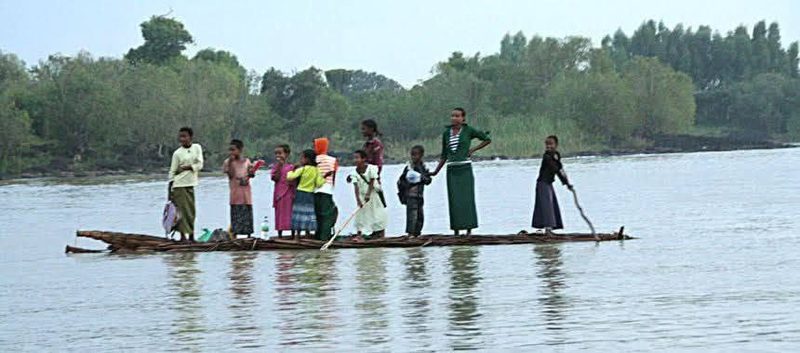
The responsibility creates an opportunity for Ethiopia and African countries to elevate the practical challenges facing freshwater ecosystems, watersheds, climate-sensitive agriculture, adaptation finance, early warning and community resilience.
The outcome of COP31 means Addis Ababa will inherit unresolved questions over fossil-fuel transition, climate finance and the ability of the multilateral process to reach consensus. It will also inherit a broader implementation challenge: how to move from international commitments to measurable changes in people’s lives.
Lake Tana offers a compelling case study for that discussion. It connects freshwater ecosystem protection, climate variability, scientific monitoring, agricultural livelihoods, invasive-species management and the wider Blue Nile Basin.
But the story must remain grounded in evidence. Water hyacinth is not proof that ocean warming caused the lake’s degradation. Climate change is one part of a wider set of pressures that includes nutrient pollution, land-use change, watershed degradation, ecosystem management and human activity.
The scientific task is to identify what is known, what is measured, what remains uncertain and which interventions can produce lasting improvement.
Ethiopia’s COP32 opportunity should therefore be more than hosting another international conference. It should be a chance to strengthen African priorities on adaptation, water security, climate finance and the practical protection of ecosystems and communities.
THE FINAL VERDICT: THE OCEAN, THE LAKE AND THE PEOPLE ARE WAITING FOR ACTION
The ocean is absorbing the planet’s heat, but its ability to provide that climate service is under growing pressure. Lake Tana is facing measurable ecological stresses. Peer-reviewed research documents differences in water quality under water-hyacinth cover, estimates increased evapotranspiration under studied conditions and identifies environmental predictors associated with infestation. Fisheries research has documented economic consequences for sampled fishers.
On the ground, Hailu Gebr Egezabher describes a lake that can be difficult to reach and a livelihood whose uncertainty follows him home. Abebe Yigezu describes farmers expected to protect the watershed without always having the tools and resources required to do so. Dr. Goraw Goshu calls for continuous monitoring, reliable data and cooperation between scientists, communities and the institutions responsible for the lake.
Their experiences make one point unavoidable: environmental protection cannot succeed through emergency campaigns alone.
COP31 has exposed a parallel crisis in global climate cooperation. Governments failed to agree on the Presidency-led cover decision, with fossil-fuel language and adaptation finance among the most divisive issues. Yet separate negotiating decisions and the Action Agenda produced progress, demonstrating that the international process remains active even as its central political consensus falters.
The Antalya Ocean and Seas Compact offers a voluntary framework for cooperation, while the WRI analysis shows that ocean-related action is increasingly present in national climate plans. But plans, compacts and declarations cannot restore a fishing route, protect a farmer’s soil or improve a lake’s water quality without sustained implementation.
The ocean and Lake Tana are not the same ecosystem. Their connection is through the climate system in which heat, carbon, atmospheric circulation, rainfall, hydrology, ecosystems and human activity interact. Understanding that connection is essential to climate resilience in a landlocked country.
The future of Lake Tana will depend on whether scientific evidence guides management, whether public institutions can demonstrate results, whether development partners sustain restoration and whether communities receive the support and decision-making power they need.
As Ethiopia prepares to host COP32, the question should not be how many promises the world can make in Addis Ababa. It should be how many of those promises can be measured in restored watersheds, healthier freshwater ecosystems, more secure livelihoods and stronger protection for communities.
The world has made promises in Antalya. The ocean is sending a warning. Lake Tana is showing the cost of environmental neglect. And the people who depend on its waters are waiting to see whether climate commitments will finally become action.
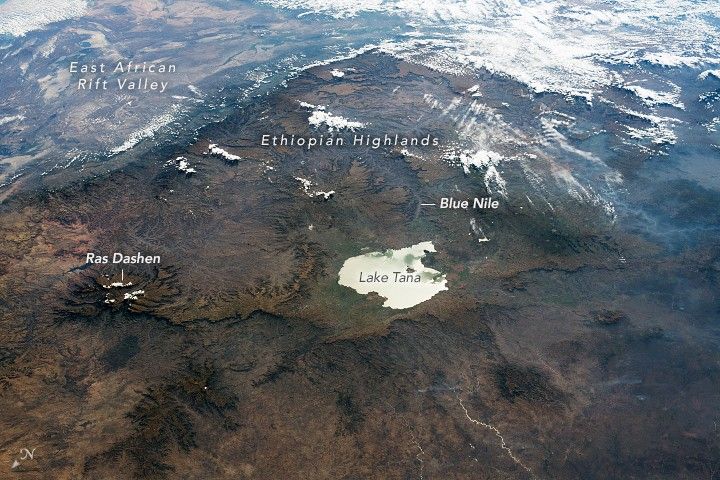
Lake Tana and the Ethiopian Highlands – NASA Science Image @https://science.nasa.gov/earth/earth-observatory/lake-tana-and-the-ethiopian-highlands-148549/
This story was produced as part of the COP31 Climate Change Media Partnership, a journalism fellowship organized by Internews’ Earth Journalism Network, Informed Earth and the Stanley Center for Peace and Security.
This story was produced as part of the COP31 Climate Change Media Partnership, a fellowship for journalists covering the UN climate talks.