




By Ayele Addis Ambelu
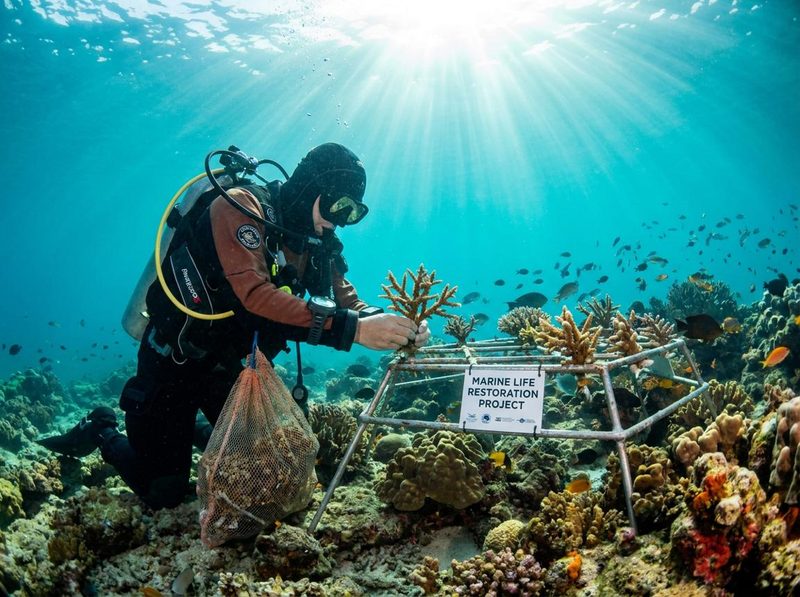
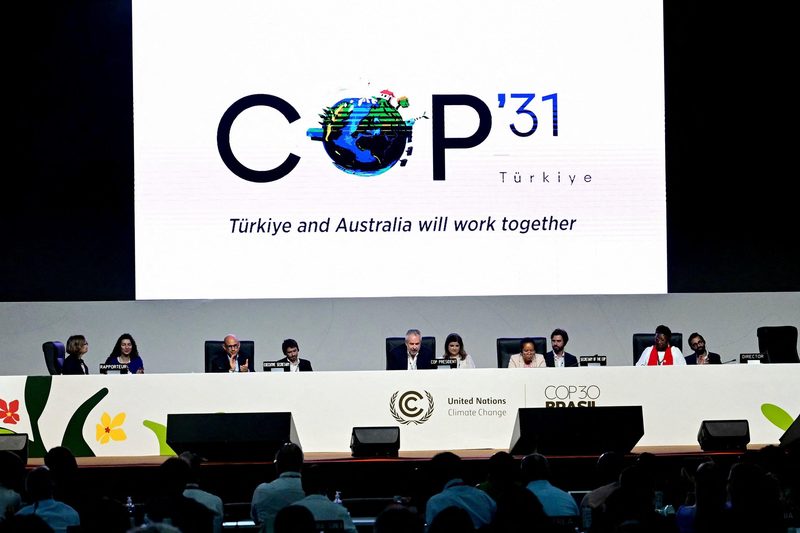
ANTALYA, 18 November 2026, the global climate debate shifted toward oceans at COP31. Türkiye’s Presidency unveiled the Antalya Ocean and Seas Compact. It announced a new international cooperation initiative to restore at least 20% of degraded priority coastlines by 2035.
The announcements place ocean resilience, marine science, blue finance and coastal livelihoods more firmly within the climate implementation agenda. The central question remains whether these initiatives will generate sufficient investment and practical support. This support is for countries whose economies, food systems, and communities depend on healthy marine ecosystems.
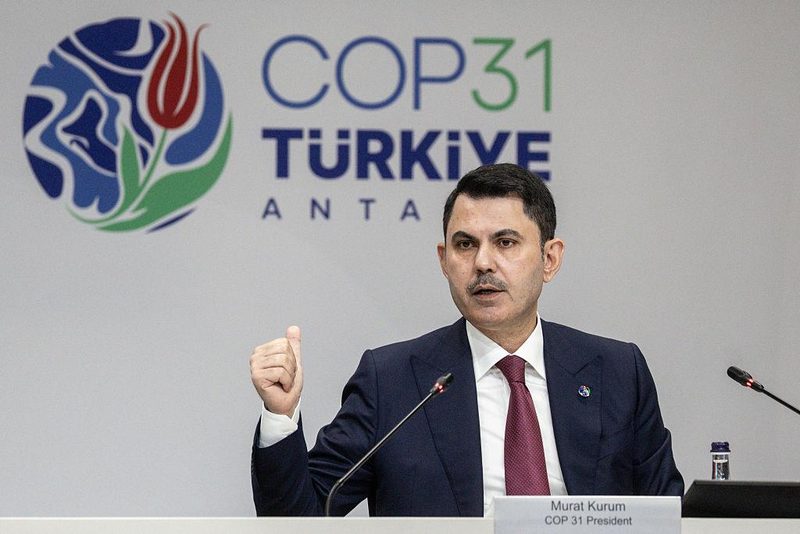
COP31 President Murat Kurum said the ocean regulates the global climate and supports livelihoods. It sustains communities, but faces mounting pressure from warming, acidification, sea-level rise and pollution.
He argued that solutions already exist, including coastal ecosystem restoration, stronger early-warning systems, improved ocean science and data-sharing. The challenge, he said, is connecting these solutions with expertise, partnerships and existing financing sources.
A 2035 target puts coastal restoration into the spotlight
The most measurable announcement was the Regional and International Cooperation for Ocean & Seas Initiative.
According to the COP31 Presidency, the initiative aims to restore at least 20% of degraded priority coastlines by 2035. It also seeks cleaner maritime energy. The initiative promotes greener ports and climate-ready investment in shipping and tourism. It expands early-warning systems for vulnerable coastal communities.
These objectives could create a frame for coastal countries. It targets rising sea levels. It addresses ecosystem degradation and pressure on fisheries and tourism.
Nevertheless, the Presidency has not established in the supplied announcement a detailed country-by-country allocation, financial baseline or independent monitoring methodology for the 20% target. Those details will be essential to assessing progress.
Blue finance: the implementation challenge
The Antalya Ocean and Seas Compact calls for stronger partnerships and improved access to finance for ocean-related climate action.
It encourages governments to strengthen ocean priorities within their Nationally Determined Contributions and National Adaptation Plans. It also identifies the limited share of climate finance reaching ocean-related activities as a major obstacle.
The Presidency points to the COP31 Climate Implementation Bridge as one potential route for connecting ocean projects with financing partners.
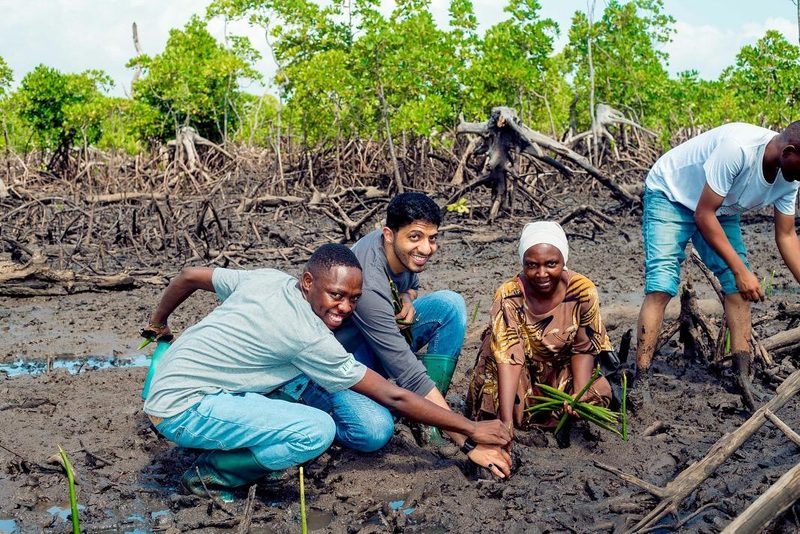
For developing countries, however, access to finance remains the central issue. Coastal adaptation, mangrove restoration, fisheries protection, marine observation and resilient infrastructure require long-term funding, technical capacity and accessible financial instruments.
The UN Secretary-General’s Special Envoy for the Ocean, Peter Thomson, welcomed the Compact but stressed that ocean protection cannot be separated from reducing fossil-fuel dependence.
His statement highlighted an important connection: protecting marine ecosystems while continuing to burn fossil fuels at unsustainable levels cannot provide a comprehensive response to the climate crisis.
Africa’s coastal communities must not be left behind
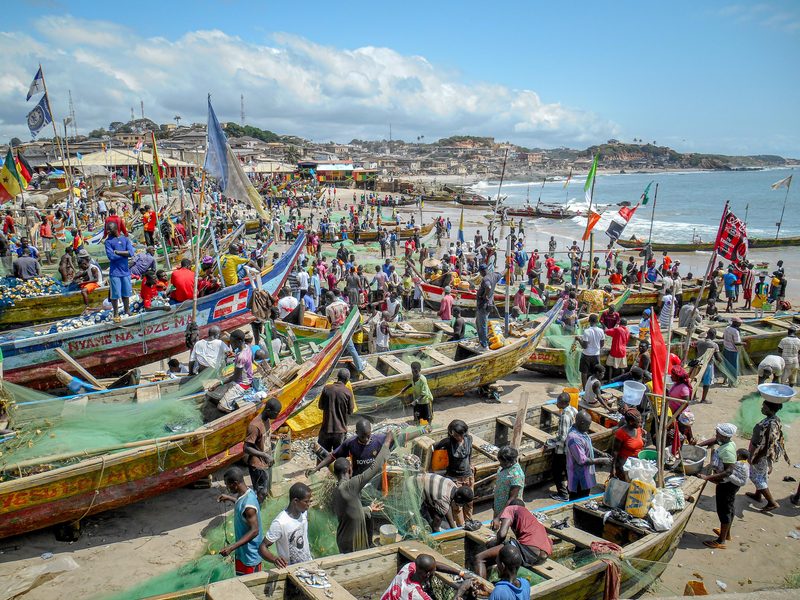
The announcement has particular relevance for African coastal and island states, including Kenya, Tanzania, Mozambique, Somalia, Madagascar, Mauritius, Seychelles and Comoros.
These countries face interconnected challenges involving coastal erosion, fisheries, marine biodiversity, climate-related displacement, tourism and infrastructure resilience.
For East Africa, mangrove restoration, sustainable fisheries, ocean observation and early-warning systems are particularly important areas for cooperation.
The initiatives could also strengthen regional scientific collaboration and improve access to information needed to prepare for extreme weather and changing marine conditions.
Ethiopia, although landlocked, has a significant regional interest through its economic, climate and water-security relationships with coastal East African and Red Sea countries. Its participation in regional climate and environmental cooperation can connect inland resilience with wider regional development.
The Rio Synergies Group: connecting three global environmental agendas
COP31 also announced the establishment of the Rio Synergies Group for Action, a voluntary, country-led initiative designed to improve coordination across the three Rio Conventions.
These are the United Nations Framework Convention on Climate Change, the Convention on Biological Diversity and the United Nations Convention to Combat Desertification.
The initiative seeks to address the fragmentation of environmental policies by connecting climate action, biodiversity protection and land restoration with existing expertise, partnerships and financing opportunities.
The Presidency says the group will operate without creating new commitments or reporting requirements.
For African countries, where drought, land degradation, biodiversity loss and climate vulnerability are closely interconnected, better coordination could help national institutions develop more integrated programmes.
The accountability question: who will finance the promises?
The announcements represent new opportunities for cooperation, but they also raise important questions.
How much investment will be mobilised to achieve the 2035 coastline restoration target? Which countries and regions will benefit? How will restoration be measured? Will financing be provided through grants, concessional loans or private investment? What role will local fishing communities, Indigenous Peoples, women and young people play?
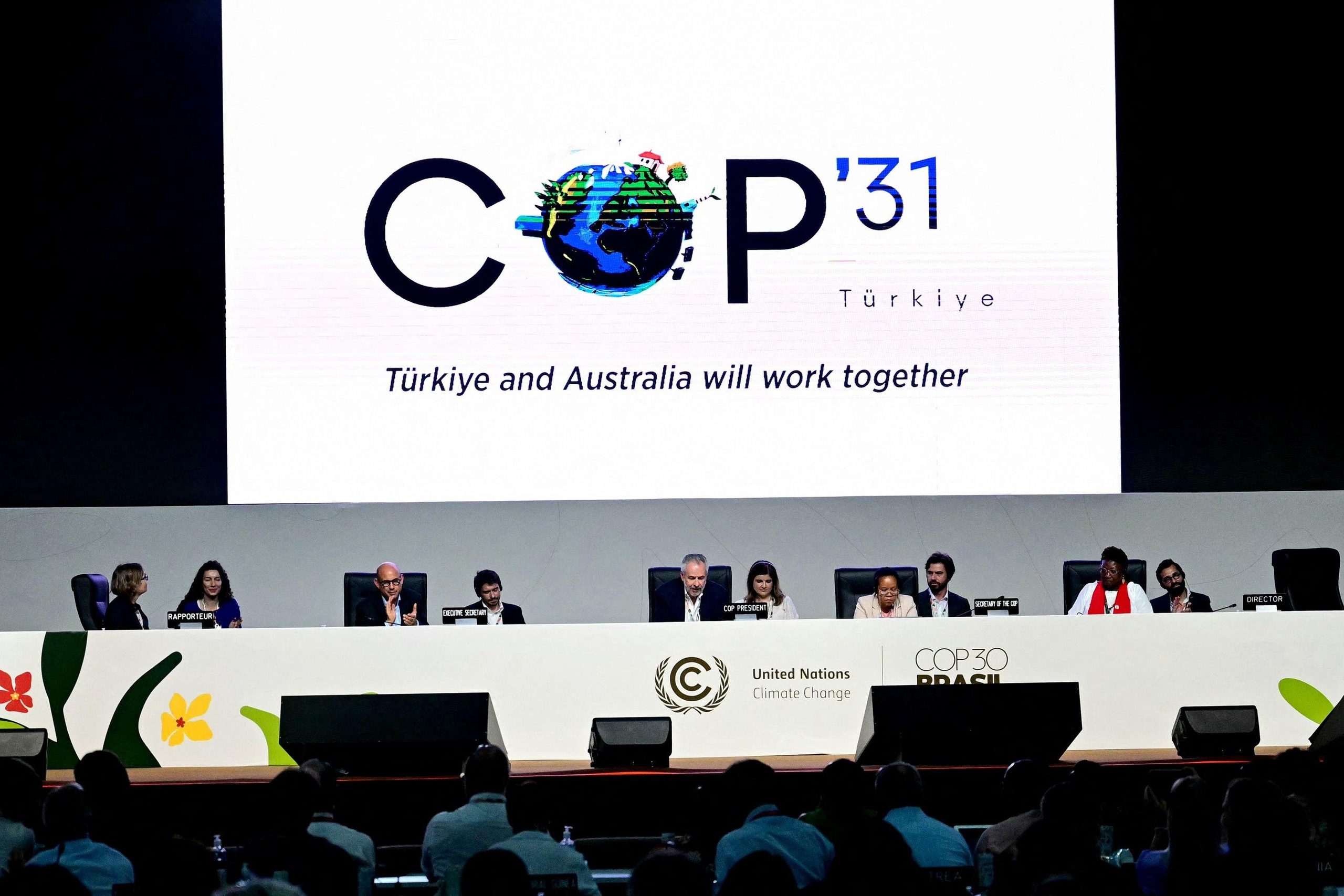
The Türkiye–Australia cooperation on ocean finance and Antarctic science also deserves attention. Antarctic research provides important evidence about changes in the global climate and ocean systems, including their implications for sea-level rise and marine circulation.
Meanwhile, the Marine Litter Action Platform, building on Türkiye’s Zero Waste experience and its launch at the Trabzon Oceans and Seas Summit in September, seeks to connect countries and projects with expertise, knowledge and financing to address marine pollution.
COP31’s ocean announcements have therefore expanded the implementation agenda. Their eventual significance will depend on whether political commitments become financed restoration projects, stronger scientific cooperation and measurable improvements in the resilience of coastal communities.
Across Africa, the question is not simply whether policymakers recognise the ocean as central to climate action. It is whether African countries and coastal communities will have the resources, technology and decision-making power to participate in delivering that action.
This story was produced as part of the COP31 Climate Change Media Partnership, a journalism fellowship organized by Internews’ Earth Journalism Network, Informed Earth and the Stanley Center for Peace and Security.
This story was produced as part of the COP31 Climate Change Media Partnership, a fellowship for journalists covering the UN climate talks.








