





By Ayele Addis Ambelu
As conflicts escalate in parts of Africa, the ripple effects on healthcare are far-reaching and devastating. Antibiotics, crucial to treating infections, are now unexpectedly playing a role in the rise of chronic diseases. Dr. Dawit Alemayehu, a leading expert in the region, warns that this crisis is exacerbated by restricted access to essential medicines due to conflict, leading to a vicious cycle of drug misuse and resistance.
Across Ethiopia, Sudan, and Nigeria—countries deeply affected by ongoing conflict—patients are forced to rely on expired, damaged, or shared antibiotics, which not only diminishes their effectiveness but also accelerates antimicrobial resistance (AMR). “Among the most dangerous threats to human health are those addicted to drugs,” Dr. Dawit says, emphasizing the urgency of the crisis. He notes that diseases like malaria, which should be curable, now risk becoming untreatable.
Dr. Getachew Kassahun, an infectious disease specialist based in Addis Ababa, explains said “In times of conflict, people are often displaced, and they end up living in close quarters in refugee camps or makeshift shelters where infections spread rapidly. The overuse and misuse of antibiotics in these settings create the perfect conditions for resistant strains of bacteria to develop.” He further points out that in war zones, the focus shifts to immediate survival, so following up on treatment plans for diseases like HIV and TB becomes secondary, allowing these diseases to worsen and spread drug-resistant forms.
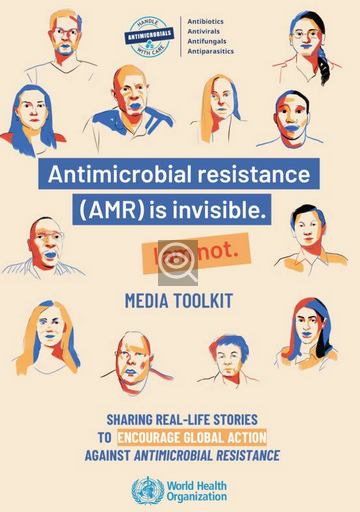
Antimicrobial resistance (AMR) occurs when bacteria, viruses, fungi and parasites no longer respond to antimicrobial medicines. As a result, antibiotics and other antimicrobial medicines become ineffective, making infections harder or impossible to treat and increasing the risk of disease spread, severe illness, and death.
The situation is more critical than it appears. According to the World Health Organization (WHO), AMR is directly responsible for 1.3 million deaths and contributes to 5 million deaths every year. But this is just the start. AMR also threatens our economic future, with an estimated global annual cost of up to US$3.4 trillion by 2030 and 28 million people pushed to poverty by 2050.
Limited treatment options, extended hospital stays, constant medication, prolonged loss of income, medical debt, poverty, family loss, grief… The burden keeps adding up, and lives are seriously impacted, in some cases fatally.
It can happen to anyone, anywhere. Even if you’re in good health, a minor injury, routine surgery, or a common lung infection could unexpectedly escalate into a life-threatening situation. For those with pre-existing conditions like cancer, HIV, or diabetes, an untreatable infection could emerge as a dangerous second threat, striking when least expected.
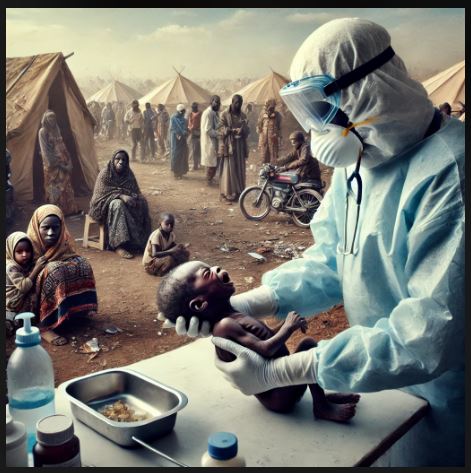
This visual will encapsulate the story’s focus on the breakdown of healthcare services, the spread of diseases like HIV and TB, and the looming threat of AMR in these vulnerable areas.
Expert Voices from the War Zone
In Ethiopia’s Tigray region, where healthcare infrastructure has crumbled under the weight of war, patients and healthcare workers alike are facing dire consequences. “We have no choice but to use what little we have, even if it’s expired,” explains Dr. Selam Arega, a frontline doctor in the region. “I’ve seen families share antibiotics among several people, and the result is predictable—many don’t recover, and resistance to these drugs grows.”
The situation in Sudan and Nigeria is no better. Reports from refugee camps on the Sudan-Ethiopia border indicate that medicine scarcity has led to widespread misuse of antibiotics. Ahmed, a Sudanese refugee, explains, “The medicine we get here is often old or damaged. We have to pay for it and share it among the family. People are getting sicker.”
Dr. Anne Mugisha, a senior AMR researcher from Uganda, elaborates on the broader implications of AMR in conflict zones. “War compromises the ability of health systems to track and control the spread of AMR. Many laboratories in conflict-affected areas cannot test for drug resistance, so patients are often prescribed ineffective treatments. This threatens the individuals and contributes to the global spread of resistant bacteria,” she says.
WHO and Global Response
The World Health Organization (WHO) has been closely monitoring the situation and raised alarms about the increasing rates of AMR across conflict-affected regions. WHO spokesperson Dr. Linda Boetang explains, “In war zones, access to quality medicines is compromised, and this leads to improper use of antibiotics, which fuels resistance. The more this happens, the closer we get to a post-antibiotic era, where even minor infections can become fatal.”
This problem is particularly acute in Africa, where healthcare systems are already strained. According to WHO reports, nearly 70% of antibiotics used in conflict zones are expired or improperly stored, drastically reducing their efficacy. Instead of saving lives, these medicines contribute to a growing health catastrophe.
The Silent Casualty of War – How Conflict, AMR, and Limited Access to Medicine Fuel Advanced HIV/AIDS in Ethiopia
The Hidden Cost of Conflict and AMR In the war-torn regions of Ethiopia, there is another battle unfolding silently—against advanced HIV/AIDS and Antimicrobial Resistance (AMR). While the world’s attention is often on the visible destruction of infrastructure, families in these regions are grappling with the invisible toll of neglected diseases and a rapidly growing resistance to life-saving medications. As conflict exacerbates poverty, healthcare infrastructure collapses, and access to medicine becomes limited, diseases like tuberculosis (TB), HIV/AIDS, and other infections are spiraling out of control, giving rise to AMR.
A Family’s Loss to TB and AMR: from my dairy, I will tell the story of a mother who lost her son to a multidrug-resistant strain of tuberculosis (TB), which he contracted after a prolonged shortage of TB medicine in their conflict-ridden village. The son, weakened by his battle with HIV/AIDS, was one of many who developed drug-resistant TB when treatment became inconsistent due to the war. “We are hopeless,” the mother said, “when we saw our relatives die from rifles, our focus on health was secondary. We didn’t know the danger of skipping medicines until it was too late.”
TB spread to other members in this family’s story, further illustrating the community’s growing battle with AMR. The mother describes how the war made regular healthcare impossible. “Medicine was the last thing on our minds, but even if we wanted it, it wasn’t there,” she lamented. This lack of access and understanding of medicine adherence in times of conflict has created a fertile ground for AMR to thrive.
War, Poverty, and AMR’s Grip on Communities The broader context of war has also fueled the spread of AMR in other diseases such as malaria, pneumonia, and sexually transmitted infections. Displacement, unsanitary conditions, and the constant movement of refugees in and out of conflict zones have contributed to drug-resistant strains of these diseases.
Community health workers, who try to operate despite limited resources, have seen first-hand how conflict intensifies health risks. “When war breaks out, people prioritize survival over their health, and diseases spread unchecked,” said one health worker. The lack of infrastructure also means fewer diagnostic tools to identify resistant strains, leading to incorrect or incomplete treatments that only heighten AMR risks.
The Growing Threat of AMR in Conflict Zones AMR is particularly dangerous in these conflict-affected regions because the destruction of healthcare facilities and infrastructure disrupts the continuous supply of medications needed to treat diseases effectively. Antibiotics and antiretrovirals, often used incorrectly due to scarcity or lack of medical supervision, are losing their efficacy. “We are seeing more and more patients who no longer respond to standard treatments,” a doctor in a conflict zone explained. The increased need for antibiotics during wartime emergencies—combined with misuse—has created a perfect breeding ground for resistant strains of diseases.
The Broader Impact on African’s Health System: As African countries like Ethiopia and Sudan continues to grapple with both internal conflicts and the HIV/AIDS crisis, the rise of AMR threatens to destabilize an already fragile healthcare system. Limited access to medicine, driven by both poverty and war, is not only killing patients but also creating long-term challenges. Multidrug-resistant TB, drug-resistant HIV, and other AMR-related diseases are becoming impossible to treat, leading to more deaths and even more transmission of resistant strains.
Community Reflection shows ‘ The Feeling of Hopelessness’ The sentiment in the Africa news channel filed visit Sudan, and Ethiopia conflict areas communities is one of despair. “We are not even thinking about our health,” said a community member. “The war has taken everything. We are too focused on survival to think about medicine.” This negligence, combined with the healthcare system’s collapse, has allowed diseases to spread unchecked, and resistance to medication to grow.
Another family described how their loved one, who had been living with HIV for years, succumbed to an opportunistic infection that could have been treated if medicine were accessible. “We couldn’t get the right drugs in time, and by the time we did, they didn’t work.”
Research and Analysis
Research by global health institutions has found that prolonged conflict significantly worsens the AMR crisis. A recent report published in The Lancet indicates that regions affected by war are hotspots for the rapid spread of resistant bacteria. “Antibiotics that should cure diseases like tuberculosis, pneumonia, and cholera are becoming ineffective in these areas due to improper use,” says lead researcher Dr. Maria Fernandez.
Researchers have noted that AMR is rising at an alarming rate in regions like Sudan and Ethiopia. Studies show that up to 40% of bacterial infections in these regions are now resistant to multiple antibiotics, making treatment options limited and costly.
There is Dangerous Intersection of Conflict and AMR in Africa Antimicrobial Resistance (AMR) has been steadily rising across Africa, but in conflict-affected regions, this issue becomes even more urgent. War zones create the perfect storm for AMR to increase, as the destruction of healthcare systems, poor sanitation, overcrowded living conditions, and misuse of antibiotics lead to the rapid spread of drug-resistant infections. Africa is already one of the continents hardest hit by AMR, with estimates suggesting that nearly 4 million deaths could be attributed to AMR annually by 2050 if current trends continue (WHO reports, 2023). In conflict regions, where access to proper healthcare is severely compromised, the death toll could be even higher.
The Human Cost: Stories of Survival and Loss
The human toll of this crisis is heartbreaking. Stories from patients in these regions paint a stark picture of despair and resilience. Rahma, a 12-year-old girl in Nigeria, recently lost her mother to what should have been a treatable infection. “We couldn’t afford the medicine she needed, and the antibiotics we had didn’t work,” Rahma recounts. “The doctors said there was nothing they could do.”
Dr. Dawit echoes these sentiments, stating that the rise in chronic diseases due to lack of proper antibiotics is a silent killer. “People who could recover are dying because they are taking either the wrong dose or expired medications. It’s a tragedy that is repeating every day.”
The ongoing conflicts in Africa are not only threatening lives through violence but also through the indirect damage done to healthcare systems. Antibiotics, once a cornerstone of modern medicine, are being weaponized by this lack of access, pushing the world closer to a future where infections are untreatable.
Global organizations such as WHO, FAO, and the African Union must continue to push for stronger health systems in conflict zones. Dr. Dawit’s final message is clear: “We need urgent action to regulate antibiotics in war-torn areas, or the consequences will be felt worldwide.”
AMR in Africa: Facts and Data
According to the World Health Organization (WHO), antimicrobial resistance is becoming a serious threat across Africa. Key findings show:
- 1 in 4 infections in Africa are resistant to standard treatment protocols for bacterial diseases like tuberculosis, pneumonia, and bloodstream infections(Draft Schedule).
- Ethiopia is located in Sub-Saharan Africa, particularly vulnerable due to weak healthcare infrastructure, limited drug availability, and inadequate infection control measures.
- In conflict-affected areas like the northern regions of Ethiopia, the use of antibiotics becomes less regulated. People may share medications or take incomplete doses, significantly contributing to the development of resistant strains.
- Healthcare facility damage from wars results in a lack of proper sanitation and over-reliance on emergency treatments that often use broad-spectrum antibiotics, further driving AMR.
In Ethiopia’s conflict zones, the rates of drug-resistant tuberculosis (TB) are rising rapidly due to interrupted treatments, while multidrug-resistant HIV is emerging as a significant challenge, especially as patients are unable to access antiretroviral therapy (ART) consistently.
How AMR Risks Escalate in War Zones
War amplifies the critical drivers of AMR, which include:
- Displacement and Overcrowding: Displaced populations often live in unsanitary conditions where infections like cholera and respiratory diseases spread quickly. Without proper healthcare, antibiotics are often overused or misused as a first response to illness.
- Lack of Regulation: Conflict disrupts the regulation of pharmaceuticals, leading to counterfeit or poor-quality antibiotics flooding the market, which may worsen resistance.
- Interruption of Treatments: Patients with chronic diseases such as HIV/AIDS or TB often cannot continue their treatments due to damaged infrastructure and limited healthcare access. This increases the likelihood of developing resistant strains, especially in patients with incomplete treatment courses.
- Increased Infections from Wounds: In conflict zones, injuries and surgical infections from war become breeding grounds for antibiotic-resistant bacteria, especially without proper hygiene and sterile conditions.
Global and Regional Impact of AMR in Conflict Zones
The rise of AMR in African war zones is not just a local problem; it has global implications. With increasing migration and cross-border movements due to war, the resistant strains of bacteria and diseases can easily spread across regions and even continents. According to a report from the African Union (AU), AMR in conflict zones is one of the leading risks that could undermine Africa’s ability to respond to future pandemics(Draft Schedule).
Dr. Miriam Njeri, a public health specialist, warns “If we don’t address the link between conflict and AMR now, the resistant strains developing in war-torn regions will spread, making it harder for healthcare systems worldwide to contain infections. This is a ticking time bomb that could undo decades of medical progress.”
Call to Action: What Needs to be Done
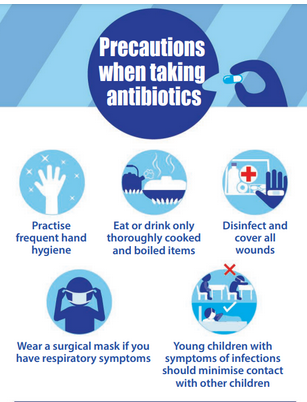
The situation demands urgent international attention. Experts argue that addressing AMR in war zones requires a multi-faceted approach, including:
- Strengthening healthcare systems in conflict zones by supporting local health workers and rebuilding damaged infrastructure.
- Improving access to diagnostics to ensure that healthcare workers can properly identify drug-resistant infections before prescribing treatment.
- Increasing the availability of quality medicines to prevent the misuse of antibiotics.
- Global cooperation to ensure that AMR is seen as a global security threat, particularly in areas affected by war, with adequate funding for monitoring and intervention programs.
The War Against AMR Needs to Be Fought Now
AMR in conflict-affected areas is a looming crisis that, if unchecked, could lead to untreatable infections and higher mortality rates. In Ethiopia and other conflict zones across Africa, the convergence of war, poverty, and limited access to medicines is creating the ideal environment for drug-resistant diseases to thrive. As war continues to displace people and disrupt healthcare, the risk of AMR spreading beyond borders becomes a global threat. Immediate action, supported by international cooperation, is crucial in mitigating this crisis before it spirals out of control.








