





By Ayele Addis Ambelu | Africa News Channel
A Land Scarred by War, Mothers Left in Silence
In the northern Ethiopian town of Sheraro, a young mother named Selam sits outside the crumbling remains of a health post. She cradles her newborn with trembling hands, her eyes shadowed by exhaustion and fear. “During the war,” she whispers, “I gave birth on the floor of an abandoned school. There was no midwife, no clean water, only the screams of other displaced women around me.”
Her story is not unique. Across Tigray, thousands of women bore children in the shadows of conflict. Hospitals were looted, ambulances burned, and clinics abandoned. The war that erupted in late 2020 dismantled decades of fragile progress in maternal and child health. By the time the guns fell silent in late 2022, an invisible war still raged inside women’s bodies, one marked by maternal deaths, untreated complications, and lives cut short.
Today, in 2025, reconstruction is underway. But the scars remain deep, and maternal health services, critical to saving lives, are still dangerously fragile.
Maternal Mortality: A Silent Aftershock of War
Ethiopia was once celebrated for halving maternal mortality between 2000 and 2015. But the conflict reversed much of that progress in Tigray. According to the Ethiopian Ministry of Health and a 2023 UNFPA report, maternal mortality rates in the region doubled during the war years. Thousands of women faced obstructed labor, hemorrhage, or sepsis without medical assistance.
“I have seen women bleed to death simply because there were no blood transfusions available,” says Nurse Tsige, who now works at Maini Hospital in Sheraro. “We used to perform emergency C-sections almost daily before the war. For nearly two years, the operating theater was silent. Now, we are slowly reopening services, but equipment is broken and supplies are scarce.”
International humanitarian actors confirm this grim picture. Médecins Sans Frontières (MSF), which resumed operations in Tigray in 2023, reported widespread post-conflict reproductive health crises, with maternal mortality levels among the highest in the country.
Voices from the Frontlines: Women’s Testimonies
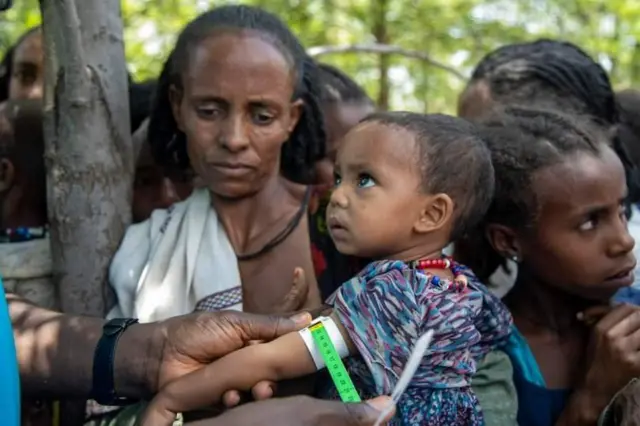
In post-conflict Tigray, the scars of war are not only visible in destroyed hospitals and empty clinics but etched deeply in the lives of women who carried pregnancies under fire. Their stories reveal not just a crisis of survival, but the collapse of dignity, care, and protection that every mother deserves.
Hiwot, a 29-year-old mother from Mekelle, recalls the night her world was torn apart. “When the bombs fell, I was seven months pregnant. I fled with my two children into the mountains. I had no prenatal checkups, no vitamins, no scans. My baby was born premature in a makeshift shelter. He died within two weeks. I buried him in a shallow grave. I will never forget that pain.” Her voice trembles as she speaks, carrying the weight of a grief that thousands of women in Tigray share.
For others, the violence was not only about bombs but also about the brutal violation of their bodies. Mulu, 34, from Sheraro, lives with the lasting trauma of sexual violence. “Soldiers raped me during the conflict. When I discovered I was pregnant, I had no access to counseling or a safe abortion. I carried the pregnancy in silence. My daughter is alive today, but every time I look at her, I remember the violence. Maternal health is not only about survival, it is about dignity.” Her words underscore how maternal health in war zones is inseparable from mental health and justice.
Even in moments meant to bring life, death lurked close. Rahwa, 22, delivered her first child in the crowded Shire IDP camp, where health workers were left with almost nothing. “I delivered my first child in a tent in the camp. The midwife had only a pair of gloves and a small torch. My baby survived, but I nearly bled to death. If MSF had not rushed me to the hospital that night, I would not be here today.”
Together, these testimonies reveal how women in Tigray bore the brunt of the conflict, turning what should have been moments of joy into harrowing battles for survival. They also highlight the urgent role humanitarian responders like MSF play in filling the deadly gaps left behind when health systems collapse.
These voices, raw and unfiltered, remind us that maternal health in Tigray is not just a statistic. It is a battlefield where survival depends on chance, courage, and the fragile return of humanitarian aid.
Expert Analysis: The Fragile Recovery
Public health experts caution that the road to recovery in Tigray is long and uncertain, even as some facilities reopen and international aid resumes. The damage inflicted during Ethiopia’s northern conflict was not only immediate but structural, leaving scars that will take years to heal.
A 2024 joint assessment conducted by the World Health Organization (WHO) and the Ethiopian Ministry of Health painted a stark picture: more than 70 percent of Tigray’s health facilities remain damaged or only partially functional. Hospitals once equipped for caesarean sections and neonatal care now operate with broken generators, empty pharmacies, and wards without running water. In some rural areas, clinics stand as hollow shells, looted of equipment and abandoned by staff. For expectant mothers like Hiwot, this means walking hours to reach the nearest health post, only to find that the most basic services — from ultrasounds to blood transfusions — are unavailable.
Human resources are another acute challenge. During the war, thousands of doctors, midwives, and nurses fled to neighboring regions or abroad, either displaced themselves or were unable to survive under siege conditions. Many have yet to return. Those who remain face crushing workloads, treating hundreds of patients daily, often without pay or psychological support. “We are asking burnt-out professionals to heal a wounded society,” one Mekelle-based obstetrician explained. “But they themselves are traumatized. Some delivered babies by candlelight under shelling. Others witnessed colleagues being killed. Recovery requires healing for health workers, too.”
The funding landscape further complicates matters. Donor fatigue is setting in, as global crises from Gaza to Ukraine compete for limited humanitarian dollars. According to the UN OCHA, overall humanitarian funding for Ethiopia’s health sector decreased by 40 percent in 2024, resulting in critical gaps in maternal and child health programs. Essential supplies like oxytocin for preventing postpartum hemorrhage and antibiotics for newborn infections are now rationed. Community health workers in rural Tigray describe going weeks without receiving soap, gloves, or fuel for outreach visits. Without consistent investment, experts warn, the fragile progress in restoring maternal care could collapse.
This fragile recovery underscores a cruel paradox: while the guns may have fallen silent, the silent emergencies of hemorrhage, infection, and untreated complications continue to claim lives. Experts agree that rebuilding Tigray’s health system will require long-term structural investment, not just emergency relief — a shift from crisis response to resilience building. Without this, maternal mortality, already among the highest in the world, risks spiking further in the years to come.
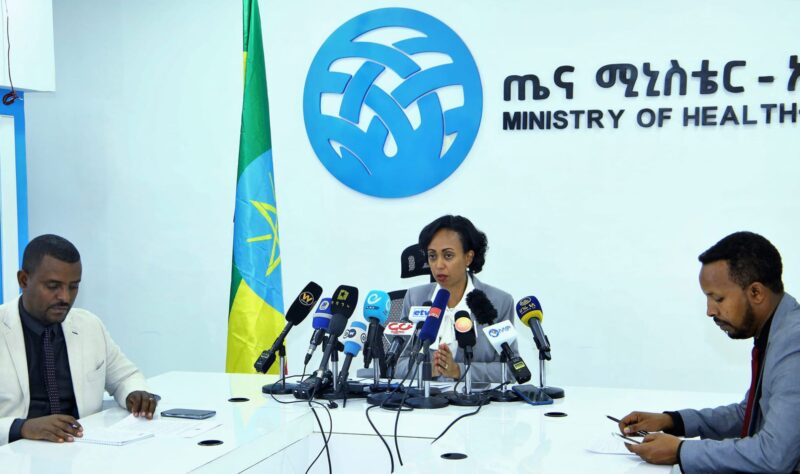
“Maternal health cannot wait,” says Dr. Lia Tadesse, Ethiopia’s former Minister of Health. “Every day of delay means another mother dies unnecessarily. Investment in maternal and neonatal health is an urgent moral and public health imperative.”
The Burden of Sexual Violence
One of the darkest legacies of the war is the widespread use of sexual violence. UN investigations documented systematic rape and sexual torture across Tigray, Amhara, and Afar. Survivors are now seeking maternal and reproductive health services, often while grappling with stigma and trauma.
“Some women arrive pregnant from rape, others with untreated fistula, others with deep psychological wounds,” says an MSF midwife in Shire. “They need safe delivery, yes, but they also need counseling, social reintegration, and justice.”
Without sustained support, many survivors remain invisible, their health and dignity further eroded by silence.
A Question of Equity
While maternal health in Addis Ababa and other urban centers has improved, Tigray women remain trapped in a cycle of neglect. Rural mothers in Sheraro, Shire, and Humera face two- to three-day journeys by foot to reach functional clinics. Many never arrive.
“I carried my sister on a stretcher for 18 kilometers,” recalls Alem, a young farmer from rural Tigray. “She was in labor for three days. By the time we reached the hospital, her baby was gone.”
The contrast between Ethiopia’s maternal health success stories and the devastation in Tigray raises urgent questions of equity and justice.
The International Dimension
International agencies warn that Ethiopia’s maternal health crisis could spill into a regional emergency if left unaddressed. Malnutrition, displacement, and weak healthcare infrastructure create a perfect storm for maternal and child mortality.
UNICEF’s 2024 Humanitarian Situation Report estimates that over 1.2 million women of reproductive age in northern Ethiopia lack access to safe delivery services. The World Bank warns that without immediate investment, Ethiopia could face a 10-year setback in achieving Sustainable Development Goal 3 (good health and well-being).
A Glimpse of Hope
Despite the challenges, there are glimmers of hope. In late 2024, a 17-year-old girl named Meron became the first baby delivered in the newly reopened maternity ward at Maini Hospital. “She is our miracle,” her mother said, tears in her eyes. “She was born in peace, not in war. For the first time in years, I feel the future might be brighter.”
Community health workers, often women themselves, are leading the charge. They trek from village to village with backpacks full of vaccines, iron tablets, and clean delivery kits. Their work, though underfunded, is saving lives one mother at a time.
The Road Ahead
The struggle to rebuild maternal health in Tigray is not just about bricks and mortar. It is about healing a generation of women scarred by war, restoring trust in health systems, and ensuring that childbirth is a moment of life, not death.
As Ethiopia edges toward recovery, the voices of mothers like Selam, Hiwot, and Mulu remind us that maternal health is both a personal and political issue. It is a test of the nation’s commitment to equity, justice, and dignity.
The world cannot look away.
MaternalHealth #TigrayRecovery #PostConflictCare #WomenInWar #HealthSystemRebuild #MSFEthiopia #HumanitarianCrisis #MothersAndBabies #HealthcareAccess #WarSurvivors #ReproductiveHealth #EasternAfrica #GlobalHealth #SaveMothers #HealingAfterWar








