





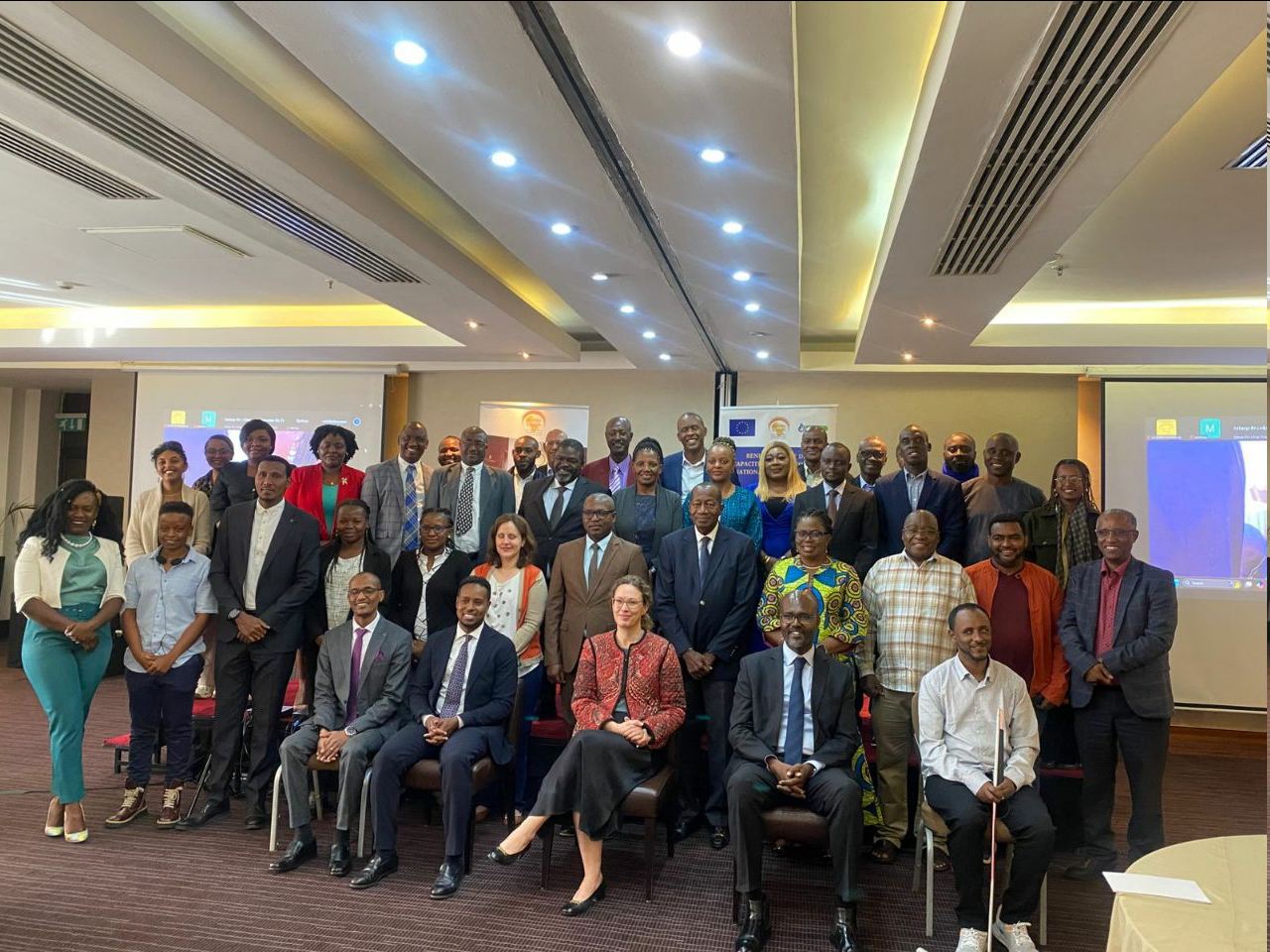
By Awot Haileslassie – Addis Ababa, Ethiopia (December 9, 2024) ;
As the world commemorates International Human Rights Defenders Day, Addis Ababa becomes the epicenter of a crucial dialogue addressing one of the most pressing issues of our time: the protection of Human Rights Defenders (HRDs). Convened by the Network of African National Human Rights Institutions (NANHRI), this continental dialogue marks a pivotal step in confronting the shrinking civic space and mounting challenges HRDs face across Africa.
The two-day Regional Dialogue on Human Rights Defenders (HRDs) and Civic Space, hosted at the Radisson Blu Hotel in Addis Ababa, Ethiopia, has captivated stakeholders across Africa and beyond. The event, organized by the Network of African National Human Rights Institutions (NANHRI), in partnership with the Ethiopian Human Rights Commission and DefendDefenders, brought together influential leaders, policymakers, and civil society organizations to tackle the critical threats faced by HRDs across the continent.
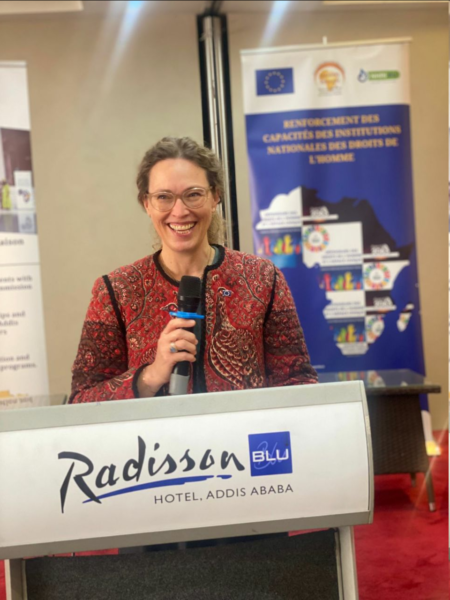
The Critical Role of HRDs Amid Shrinking Civic Spaces
Human Rights Defenders are vital advocates for justice, equality, and democracy. Yet, as Gilbert Sebihogo, Executive Director of NANHRI, aptly put it, “HRDs are the cornerstone of justice and equality, yet their work often comes with immense risk.” This sentiment resonates profoundly in Africa, where HRDs endure relentless intimidation, legislative restrictions, arbitrary legal actions, and violations of fundamental freedoms, such as the rights to opinion, expression, and assembly.
Karin Stanghed, Deputy Head of the EU Delegation to the African Union, provided a powerful keynote address, calling for an immediate halt to legislative and judicial constraints imposed on HRDs. “This is a fight for democracy itself. Protecting HRDs isn’t just about individual rights—it’s about safeguarding the collective freedom of our societies,” she stated.
A Gathering of Regional and International Actors
This year’s dialogue, held from December 9–10, brought together diverse stakeholders, including representatives from National Human Rights Institutions (NHRIs), civil society organizations (CSOs), international organizations, and government officials. Key participants included Karin Stanghed, Deputy Head of the European Union Delegation to the African Union, and Prof. Remy Lumbu, Chairperson of the African Commission on Human and Peoples’ Rights.
These stakeholders reaffirmed the shared commitment to ensuring HRD protection and fostering a collaborative approach to defending civic space. Karin Stanghed emphasized the EU’s unwavering support, advocating for an immediate halt to intimidation and restrictive legislation targeting HRDs.
Discussions moved swiftly to the core issues. NANHRI’s Gilbert Sebihogo presented an in-depth overview of the Marrakech Declaration, describing it as “a cornerstone framework for HRD protection and civic space expansion across Africa.” Irene Petras complemented this from the International Center for Not-for-Profit Law, who examined gaps in national legal frameworks. She noted, “The disparity between commitments and on-the-ground realities remains a significant barrier to HRD safety.”
Participants also delved into case studies of HRD challenges in Uganda, Malawi, Ethiopia, and Morocco. Ruth Ssekindi from Uganda’s NHRI shared poignant stories of HRDs who faced criminalization for their work, emphasizing the need for legislative protections.
Validating the Marrakech Declaration: A Framework for Action
A highlight of the event was the review and validation of NANHRI’s newly developed scorecard, a tool designed to monitor the implementation of the Marrakech Declaration. Adopted in 2018 by representatives of 260 NHRIs, the Declaration outlines practical measures to protect HRDs and promote positive narratives about human rights.
The scorecard ensures accountability and guides NHRIs in addressing threats to HRDs and democratic spaces. Dr. Abdi Jibril, Commissioner for Civil and Political and Socio-Economic Rights at the Ethiopian Human Rights Commission (EHRC), noted the escalating risks faced by HRDs and stressed the urgent need for enhanced protection mechanisms.
A standout session led by Catherine Mbui from Article 19 focused on empowering NHRIs to enhance monitoring and reporting mechanisms. “Without robust NHRIs, HRDs are left vulnerable to systemic oppression. Strengthening these institutions is non-negotiable,” she argued.
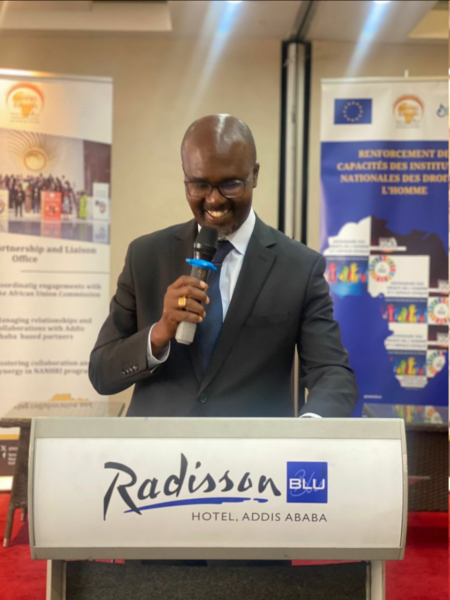
NANHRI’s New Partnership and Liaison Office
A significant development in this effort is the establishment of NANHRI’s Partnership and Liaison Office in Addis Ababa. Strategically hosted by the EHRC, this office aims to strengthen collaboration with the African Union Commission and regional bodies. Its role includes advocacy, intelligence gathering, and program coordination, positioning it as a vital hub for protecting HRDs and addressing challenges in civic spaces.
“This dialogue is more than just a meeting; it’s a movement,” said Joseph Bikanda of DefendDefenders during his closing remarks. “Our collective efforts must now translate into policies, protections, and practices that uphold the dignity of HRDs.”
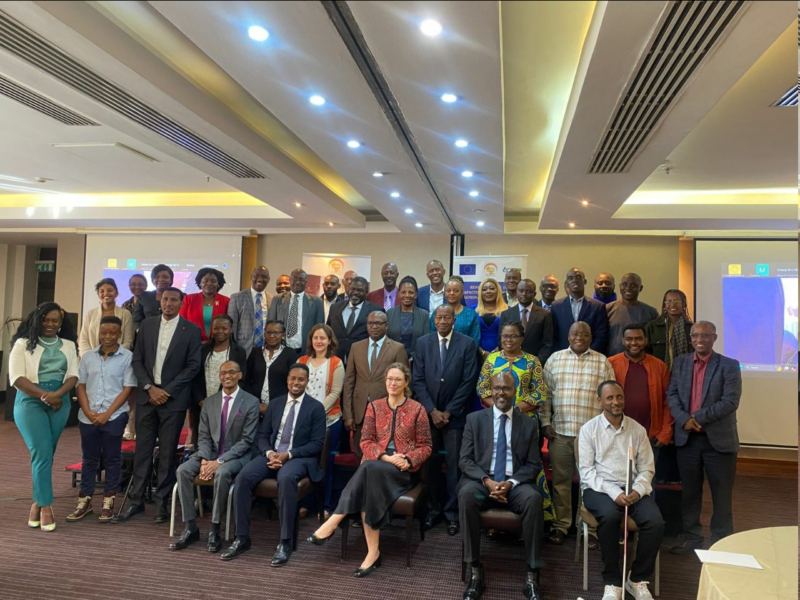
The dialogue concluded with a call for concrete actions to strengthen legislative protections for HRDs and expand civic spaces across Africa. Hassan Shire, Executive Director of DefendDefenders, underscored this urgency: “Policies that safeguard [HRDs’] work and expand civic space are not merely safeguards—they are investments in peace, democracy, and sustainable development.”
As stakeholders review the scorecard’s findings and renew their commitments, NANHRI’s dialogue represents a response to current challenges and a roadmap for future action. Its outcomes, including enhanced cooperation between NHRIs and CSOs, promise to galvanize efforts toward a safer, more inclusive environment for HRDs across the continent.
This International Human Rights Defenders Day reminds us of the sacrifices made by HRDs and our collective responsibility to support their indispensable work. By turning these commitments into tangible actions, Africa can uphold the ideals of justice, dignity, and human rights for all.
The regional dialogue did more than spotlight the challenges faced by HRDs—it laid the groundwork for tangible progress. By integrating international frameworks, best practices, and stakeholder commitments, NANHRI aims to amplify HRD voices and ensure their safety in an increasingly volatile environment.
As Africa commemorates International Human Rights Defenders Day, the call is clear: Protect those who defend us. Safeguard the spaces that allow justice to flourish. Act now, before it’s too late.








