





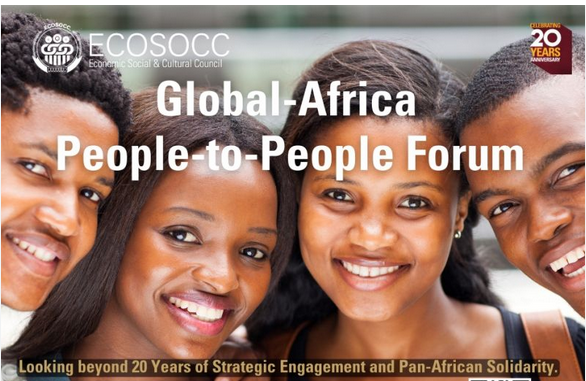
The 2024 African Civil Society Dialogue, convened as part of the United Nations’ Summit of the Future Action Days, brought together civil society leaders and advocates from across Africa and the diaspora. With a focus on youth leadership, amplifying the voices of African citizenry, and strengthening international peace and security, the dialogue provided a crucial platform for African Civil Society Organizations (CSOs) to assert their perspectives on global governance reforms, particularly as world leaders prepare to adopt the UN Pact for the Future, the Declaration on Future Generations, and the Global Digital Compact.
The Role of African CSOs in Global Governance Reform
One of the most pressing issues addressed during the dialogue was the need for African CSOs to be included in global governance reforms. Khalid Boudali, ECOSOCC’s Presiding Officer, highlighted the shortcomings of the United Nations Security Council (UNSC), noting that it “falls short of reflecting the realities of the diverse global community it serves.” The call for UNSC reforms resonated with many participants, who emphasized that African voices, particularly those from civil society, must be integral to the conversation.
Boudali’s sentiments reflect a broader concern about Africa’s marginalization in global decision-making. He stressed that African CSOs possess unique insights into the continent’s security challenges, including conflict, terrorism, and climate change. His call to “guarantee mechanisms that allow civil society to contribute to global decision-making” underscores African civil society’s critical role in shaping global peace and security.
Youth Leadership: A Driving Force for Africa’s Future
Youth leadership was another central theme of the dialogue. With more than 60% of Africa’s population being under 25 years old, the continent’s youth are seen as key drivers of future development. Ebrima Sall, Executive Director of Trust Africa, called for a rethink of global governance structures, emphasizing that civil society, particularly youth and women, must be at the heart of these discussions. “People have lost faith in the future because the system is not working for them,” Sall remarked, adding that African civil society must be “at the center of the conversation” to ensure that global governance reforms are meaningful.
Lebogang Ramafoko, Executive Director of Oxfam South Africa, echoed this sentiment, stating, “Youth leadership is about vision and passion, not just age.” She highlighted the importance of digital platforms in empowering African youth, asserting that “young people have the tools at their disposal to effect change on a global scale.” This focus on digital tools reflects the growing role of social media in amplifying the voices of marginalized communities and shaping governance conversations.
Amplifying African Voices: The Call for Fair Representation
The demand for fair representation of African perspectives in global governance was at the heart of the dialogue. William Carew, ECOSOCC Head of Secretariat, emphasized that African civil society must be “at the heart of peacebuilding initiatives and global conversations” to address pressing challenges like climate change, inequality, and conflict. He pointed out that the African Peace and Security Architecture (APSA), which addresses the continent’s security concerns, must align with Agenda 2063 — the African Union’s blueprint for a prosperous and peaceful Africa.
The dialogue also addressed the issue of power dynamics at the UN Security Council, with Carew warning of the growing disparity between global powers and African nations. He stressed that including African CSOs in peace and security discussions is vital for achieving long-term stability and prosperity on the continent.
A Call to Action: Seizing the Moment for Global Change
As the dialogue drew to a close, there was a strong call to action for global leaders attending the UN Summit of the Future. The participants urged world leaders to:
- Amplify African voices in global governance reforms, especially in the UNSC.
- Empower youth and women in governance, recognizing their role in driving sustainable development.
- Reform global governance architecture to ensure it is inclusive and representative of Africa’s unique challenges.
- Strengthen partnerships with African CSOs, acknowledging their insights into conflict resolution and climate resilience.
- Support sustainable financing for Africa’s development, prioritizing the continent’s Sustainable Development Goals (SDGs).
- Provide citizens with accountability through periodic progress reports on the commitments made in the Pact for the Future and other global agreements.
Briggs Bomba, Director of Programmes at TrustAfrica, captured the moment’s urgency, stating, “We must build on this once-in-a-generation moment to reimagine global governance and shift the course of history toward a more just society.” His remarks reflect the optimism shared by many participants, who see the dialogue as a critical step in amplifying African perspectives on the global stage.
Conclusion: Africa’s Role in Shaping the Future
The 2024 African Civil Society Dialogue underscored the power of African CSOs in shaping the continent’s future. From advocating for UN Security Council reforms to amplifying youth voices in governance, the dialogue clarified that Africa must take its rightful place in global decision-making. As the world looks to adopt the UN Pact for the Future, African civil society will continue to push for reforms that reflect the continent’s challenges and aspirations.
The message from the dialogue was clear: Africa’s youth, civil society, and communities are the drivers of change, and their voices must be heard and respected on the global stage.








