





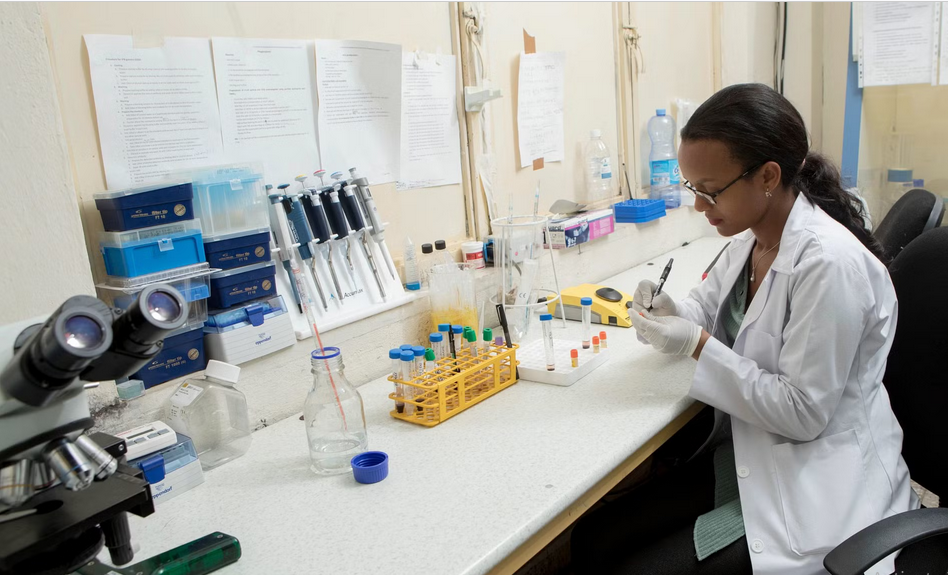
Nairobi/Geneva, 24 April 2024 – A promising breakthrough in the fight against visceral leishmaniasis (VL), also known as kala-azar, has emerged as an innovative oral drug enters Phase II clinical trials in Ethiopia. The trial, spearheaded by the Drugs for Neglected Diseases initiative (DNDi) in collaboration with Novartis, is poised to transform the treatment landscape for one of the world’s most devastating parasitic diseases, which claims thousands of lives annually.
Visceral leishmaniasis, second only to malaria as the deadliest parasitic disease, causes severe symptoms like fever, weight loss, and enlargement of the spleen and liver, and if left untreated, it is almost always fatal. The disease, transmitted through the bite of infected sandflies, is endemic in over 80 countries across Eastern Africa, South Asia, and Latin America, with Eastern Africa currently bearing the highest disease burden. Globally, more than one billion people are at risk, with 50,000 to 90,000 new cases reported annually – half of these in children under 15 years of age.
The ongoing trial in Ethiopia is testing the efficacy of LXE408, an oral drug designed to offer a safer and more accessible alternative to current treatments, which involve painful daily injections over 17 days and pose risks of serious side effects, including damage to the heart, liver, and pancreas. Dr. Eleni Ayele, co-Principal Investigator at the Leishmaniasis Research and Treatment Center (LRTC) at the University of Gondar, highlighted the critical need for this new treatment option:
“Our current treatment options in Ethiopia are not only toxic and complex but also require lengthy hospitalizations and cold-chain logistics. An oral medication like LXE408 could revolutionize access to treatment, especially for rural populations who often travel great distances to receive care. If successful, it could bring treatment closer to patients and reduce transmission significantly.”
The Phase II trial in Ethiopia includes 52 adults aged 18 to 44 and tests LXE408 in combination with the current standard of care, which comprises daily injections of sodium stibogluconate and paromomycin. A parallel trial is being conducted in India, where response to treatments for VL can vary significantly from that in Eastern Africa, underscoring the need for region-specific research.
A New Era for Leishmaniasis Treatment? The stakes are high, as the success of LXE408 could mark a new generation of leishmaniasis treatments. Dr. Fabiana Alves, Director of the Leishmaniasis Program at DNDi, emphasized the potential of this new development:
“We are on the verge of medical innovation that could sustainably eliminate VL, especially in regions where the disease burden remains stubbornly high. Our goal is to develop treatments that are not only effective but also affordable and accessible to all, particularly in resource-limited settings.”
With support from a wide array of international partners, including Wellcome, Médecins Sans Frontières (MSF), and the European and Developing Countries Clinical Trials Partnership (EDCTP), the trials aim to accelerate the availability of LXE408 if the results prove positive. Novartis has committed to producing and distributing the drug at an affordable price, ensuring accessibility in endemic regions.
Addressing a Disease Made Worse by Climate Change The trial comes at a critical time as climate change is altering the epidemiology of vector-borne diseases like VL, potentially expanding its reach into new areas. Eastern African countries, which have been particularly hard-hit, are actively developing strategies to eliminate VL as a public health threat. However, achieving sustainable elimination will depend on the success of new treatments like LXE408.
Global Collaboration for a Better Future The development of LXE408 is a result of global cooperation. Discovered by Novartis, the drug has been supported by funding from organizations like the Norwegian Agency for Development Cooperation (Norad), Germany’s Federal Ministry of Education and Research (BMBF), and private foundations. This collective effort aims not only to advance clinical trials but also to ensure that successful treatments are widely available to those most in need.
“A Path to Hope for the World’s Most Vulnerable” Visceral leishmaniasis primarily affects vulnerable populations, particularly children and communities living in poverty. Dr. Saurabh Jain, a scientist at the World Health Organization (WHO) and focal point for visceral leishmaniasis, stressed the importance of eliminating the disease:
“VL perpetuates cycles of poverty and suffering in some of the world’s most marginalized communities. The elimination of VL by 2030 is one of the key targets in the WHO roadmap for neglected tropical diseases, and new treatments like LXE408 are crucial to achieving that goal.”
The trial of LXE408 brings hope that this life-threatening disease could one day be eliminated. If successful, the oral drug could drastically reduce the time, cost, and burden of treatment, offering patients a safer, more effective, and more accessible solution – a critical step in lifting millions out of the grip of this neglected disease.
Photo credit: Sydelle Willow Smith-EDCTP
Sources for Further Information:
- World Health Organization (WHO) – “Leishmaniasis Factsheet,” 2023.
- Drugs for Neglected Diseases initiative (DNDi) – “Leishmaniasis: Challenges and Breakthroughs,” 2024.
- Novartis – “Collaboration with DNDi on Leishmaniasis Treatment,” 2023.
- Médecins Sans Frontières (MSF) – “Tackling Leishmaniasis in Resource-Limited Settings,” 2023.
With this innovative clinical trial underway, Ethiopia is at the forefront of efforts to finally end the scourge of visceral leishmaniasis, marking a significant step toward a world free from the suffering caused by this deadly disease.
(Original Source In Nairobi (Eastern Africa DNDi Office & Report compiled by Ayele Addis Ambelu – Ayeleradio@gmail.com)








