





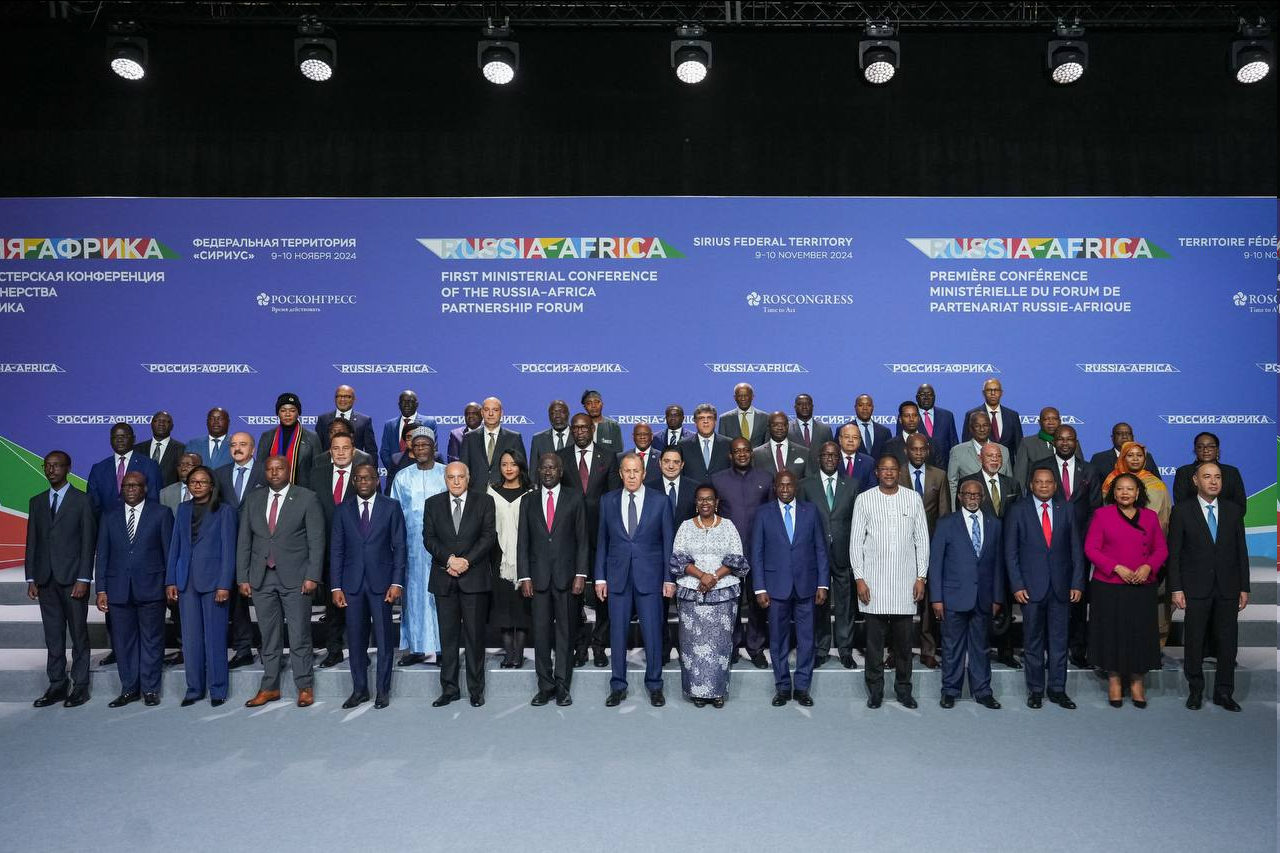
The First Ministerial Conference of the Russia–Africa Partnership Forum, held on November 9–10, 2024, on the Sirius Federal Territory, highlighted various global challenges, with infectious diseases taking center stage. One of the forum’s key sessions, “Joining Forces to Fight Infections,” was led by Anna Popova, Head of Rospotrebnadzor and Chief State Sanitary Physician of the Russian Federation. The session drew participation from political leaders, scientific experts, and healthcare professionals, including representatives from Uganda, Burundi, and Russia.
Russia’s Historical Contributions to Epidemic Control in Africa
Anna Popova opened the session by underscoring Russia’s historical role in combating infectious diseases in Africa, tracing efforts back to the mid-20th century. Among the highlights were the elimination of smallpox in 22 African nations in 1956 and Russia’s instrumental role in containing the Ebola outbreak in Guinea.
Popova remarked, “These achievements underscore the importance of solidarity and expertise-sharing in tackling global health crises. Today, we build on this legacy with enhanced cooperation and technological support.”
Key Initiatives Under the 2023–2026 Programme
Russia and African nations launched a joint programme during the 2023 Russia–Africa Summit to establish sustainable systems for epidemic prevention and control. The initiative focuses on:
- Capacity Building and Training: Over the past 18 months, more than 150 African specialists have been trained in modern laboratory techniques and disease surveillance.
- Deployment of Mobile Laboratories: Advanced mobile laboratories have been delivered to Uganda and Burundi, with additional shipments planned for Ethiopia, Madagascar, and the Republic of Congo by the end of 2024. These units will enhance on-the-ground diagnostics and containment capabilities.
- Development of Local Diagnostic Tools: Rospotrebnadzor’s Central Research Institute has supplied African countries with diagnostic kits for acute intestinal and respiratory viral infections, strengthening local capabilities for early detection.
Supporting Sovereignty in Biological Security
The programme emphasizes empowering African nations to achieve self-reliance in epidemic control. Popova stated, “Our goal is to enable African nations to combat epidemics without depending on foreign aid. This includes developing local technologies and fostering expertise.”
This strategic vision aligns with broader goals of reducing disease-related disruptions to economic development, ensuring a healthier and more resilient workforce, and enhancing regional stability.
Collaboration Through Science and Research
The session highlighted ongoing joint research projects in Burundi, Uganda, Guinea, Madagascar, and the Republic of Congo. Collaborative efforts span vaccine development, pathogen genomics, and innovative diagnostic tools. Alexander Semyonov, Director of Rospotrebnadzor’s Virome Research Institute, praised the knowledge exchange: “By uniting Russian technological advancements with African field expertise, we’re advancing the global fight against infectious diseases.”
Public Awareness and Media Engagement
To amplify the impact of these initiatives, Rospotrebnadzor is producing a documentary showcasing the collaborative efforts of Russian and African specialists in the fight against Ebola and other diseases. The film will air on Rossiya 24, bringing global attention to the importance of partnership in addressing health crises.
Challenges and Future Directions
While progress has been made, the session also addressed existing challenges:
- Limited healthcare infrastructure in rural regions.
- Shortages of skilled personnel in laboratory diagnostics.
- Dependency on imported health technologies.
The panelists proposed expanding local production capabilities for medical equipment and tests, increasing funding for African research centers, and establishing continuous training programs.
Diana Atwine, Permanent Secretary of Uganda’s Ministry of Health, emphasized robust collaboration: “Africa’s growing healthcare capacity needs sustainable partnerships like this to thrive. Together, we can build systems that protect lives and boost economies.”
Broader Impacts on Russia–Africa Relations
This partnership reflects a deepening of ties between Russia and Africa, extending beyond healthcare. By addressing public health challenges, the collaboration builds trust and paves the way for further education, technology, and trade cooperation.
Looking Ahead
The “Joining Forces to Fight Infections” session demonstrated the tangible results of Russia’s commitment to supporting Africa’s health sovereignty. As the 2026 programme progresses, both sides expressed optimism about achieving a transformative impact on epidemic preparedness and response.
Popova concluded the session with a call to action: “The health of our nations is intertwined. Let us continue to strengthen this partnership, ensuring that no epidemic halts the progress of our people.”
The session was one of many during the conference, underscoring the broader theme of fostering sustainable, equitable, and resilient partnerships between Russia and Africa.
By Ayele Addis Ambelu
Contact Editor : (Africaunionmedia@gmail.com)








