





By Ayele Addis Ambelu (Africaunionmedia@gmail.com)
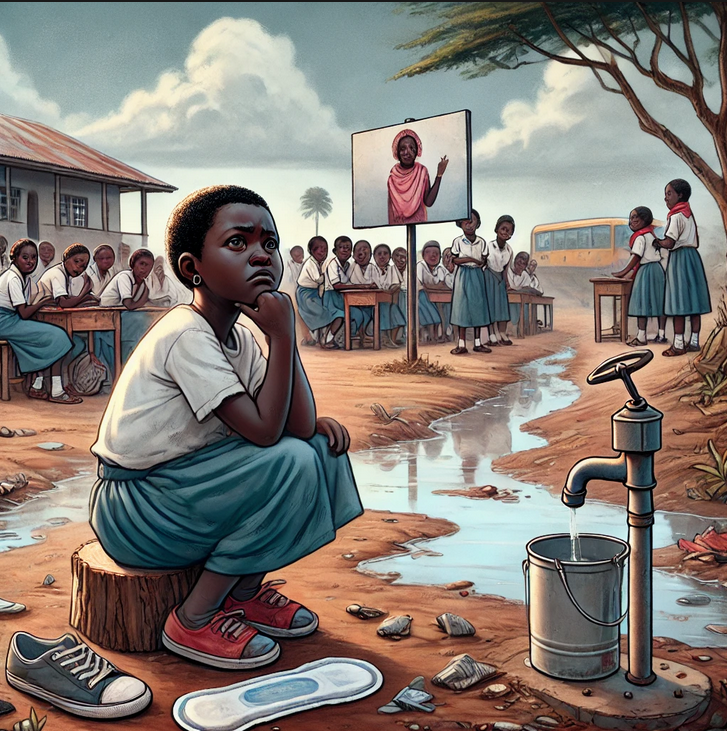
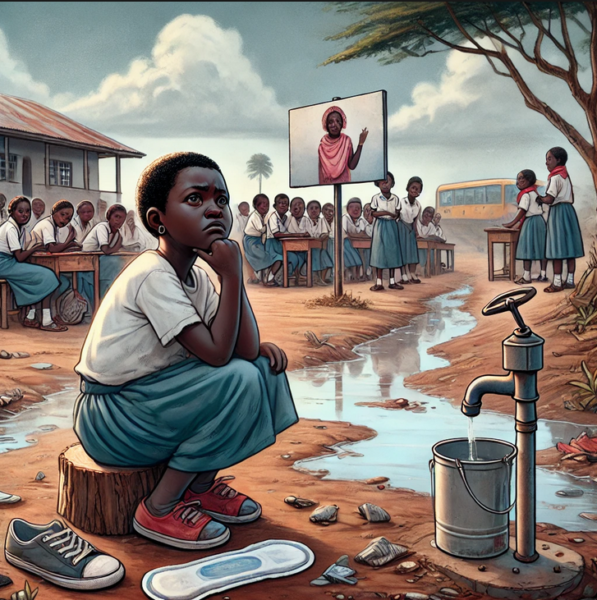
Menstruation remains a hidden human rights crisis in Africa, where millions of girls and women face systemic discrimination, lack of access to menstrual hygiene products, and deeply rooted stigma. While menstrual health is directly linked to Sexual and Reproductive Health and Rights (SRHR) and Gender-Based Violence (GBV), it is rarely recognized as an urgent policy issue. Additionally, climate change is exacerbating menstrual inequality, leaving millions of women vulnerable due to disasters, droughts, and displacement.
This report investigates how menstruation, GBV, SRHR, and climate justice intersect, revealing policy gaps and potential solutions.
The Scale of the Problem: Data and Research described Period Poverty indicated Over 500 million women worldwide lack adequate menstrual hygiene facilities; in Africa, 1 in 10 girls misses school due to period stigma and lack of products (UNESCO).
Human Rights Watch discloses GBV and Menstrual Health: Studies show that girls without access to menstrual products are more vulnerable to sexual exploitation and forced transactional sex to obtain sanitary products (Human Rights Watch). According to UNEP Climate Crisis Impact: Droughts and floods have disrupted water access, forcing women to use unsafe menstrual alternatives, increasing infections and reproductive health risks (UNEP).
A Multi-Dimensional Perspective
The effects of menstrual discrimination extend into various aspects of life, causing severe and lasting consequences.
Many young girls are forced to miss school due to lack of sanitary products, which leads to chronic absenteeism and high dropout rates. This limits their education, reducing their opportunities for future employment and economic independence. Women in the workforce also face challenges, as poor menstrual hygiene facilities and stigma create barriers to professional advancement, further widening gender inequality.
It is also a Health and Psychological Consequences in poor menstrual hygiene contributes to serious health risks, including urinary tract infections, reproductive complications, and increased vulnerability to sexually transmitted diseases. The stigma surrounding menstruation fosters low self-esteem and mental health struggles, with many women experiencing anxiety and depression due to societal shame and isolation.
Gender-Based Violence and Exploitation: The lack of menstrual resources forces many girls into transactional sex or exploitative relationships in exchange for sanitary products. This increases their risk of sexual abuse, early pregnancies, and even human trafficking. Gender-based violence related to menstruation is rarely addressed in policy discussions, leaving many victims without protection or support.
Climate Justice and Environmental Challenges worsen menstrual inequities, particularly for women in disaster-prone areas. Droughts and floods limit access to clean water, making menstrual hygiene difficult. Additionally, a lack of eco-friendly sanitary products increases waste and environmental degradation, further exacerbating climate crises.
Dr. Mary Atieno, SRHR Expert, WHO Africa said that “Menstruation should be recognized as a human rights issue, not just a hygiene matter. The lack of access to proper menstrual products and health services exposes women to sexual abuse, health risks, and school dropouts.”
Fatu Kamara, Climate Activist from Sierra Leone adds “During floods and droughts, women in displaced communities suffer the most. Without water and sanitation, managing menstruation is impossible, leading to infections and reinforcing inequality.”
Survivor Testimony: Hope, 17, Kenya reminded that “I missed school every month because I had no pads. A man in my village promised to buy me some if I agreed to be his ‘friend.’ I had no choice. Later, I found out I was pregnant.”
Policy Failures: Where Governments Fall Short
- Menstrual Products Are Not Affordable or Free: Despite international recommendations, few African governments subsidize or provide free sanitary pads.
- Lack of SRHR Education: Many school curriculums ignore menstrual health, leaving girls uninformed.
- Climate Policy Ignores Women’s Needs: Disaster response policies do not integrate menstrual hygiene, SRHR, or GBV risks.
- Weak GBV Laws and Protection: Lack of strong legal frameworks leaves vulnerable girls exposed to abuse in exchange for basic menstrual needs.
The Way Forward: Policy Recommendations
- Recognize Menstruation as a Human Rights and Policy Issue: Governments must integrate menstrual dignity into health, education, and climate policies.
- Subsidize and Provide Free Menstrual Products: Ensure access to affordable, eco-friendly menstrual products.
- Integrate Menstrual Health into Climate Policies: Include menstruation in disaster response plans and provide menstrual kits in humanitarian aid.
- Strengthen SRHR and GBV Protections: Enforce laws to protect girls from exploitation linked to period poverty.
- Raise Awareness & Destigmatize Menstruation: Media campaigns and school programs should challenge harmful cultural norms.
Breaking the Silence
The intersection of menstruation, SRHR, GBV, and climate justice is one of Africa’s most neglected crises. Without urgent policy action, millions of women will continue to suffer in silence. Governments, activists, and media must prioritize menstrual dignity, ensuring that no girl has to choose between education, safety, and basic human dignity.
The time for policy change is now—menstruation must no longer be treated as a private issue but as a public, political, and human rights crisis that demands immediate global attention.








