Addis Ababa, Ethiopia — Ethiopia’s journey to implement a nationwide Digital Identification System has been hailed as one of the country’s most ambitious efforts to leapfrog into a data-driven governance era. Spearheaded by the National ID Program (NIDP) and backed by World Bank funding, the “Fayida” system aims to register millions of citizens, promising inclusion, efficiency, and security. However, as the momentum grows, so do privacy, access, and governance concerns.
“Digital ID has the potential to redefine how citizens interact with the state,” said Dr. Wondimu Kassa, a digital governance researcher at Addis Ababa University. “But without strong legal safeguards, it may also deepen exclusion and surveillance.”
The Promise: Inclusion and Efficiency
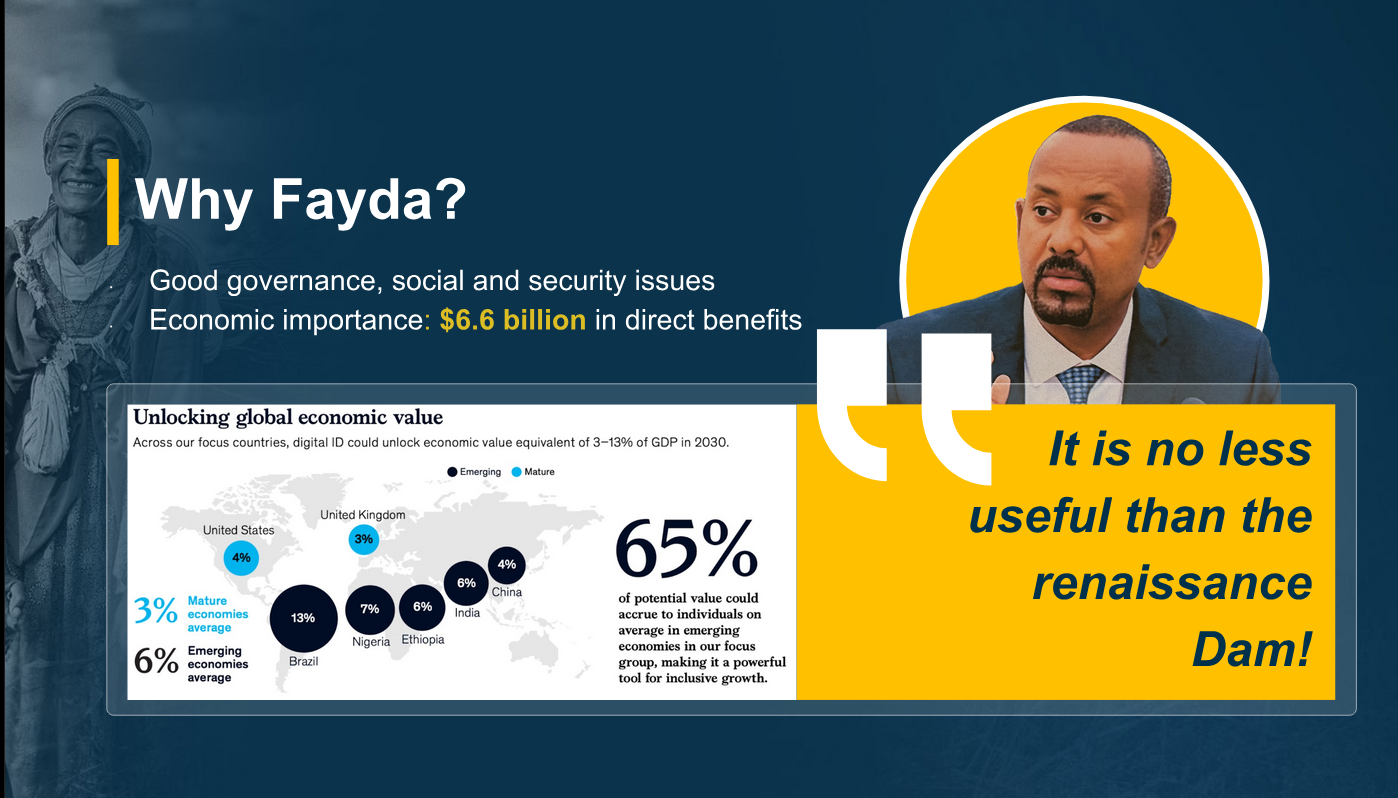
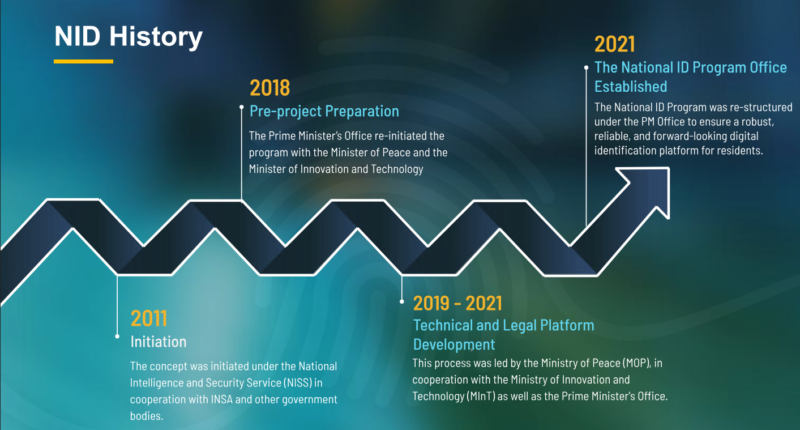
With over 100 million citizens, Ethiopia’s lack of a robust identity system has long been a bottleneck in delivering public services. The Digital ID project, launched in 2021, seeks to change that.
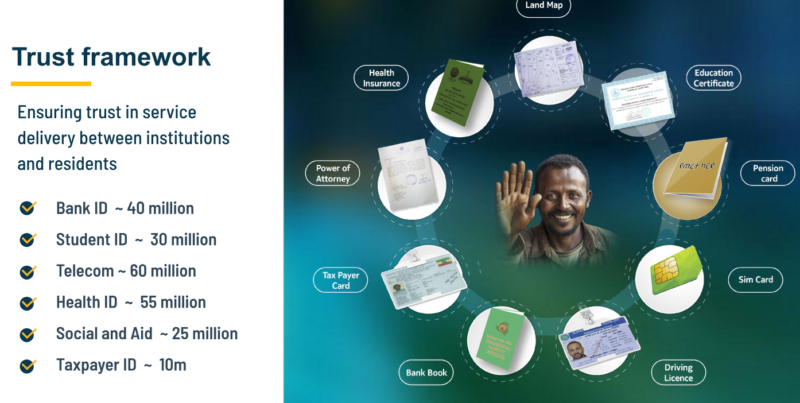
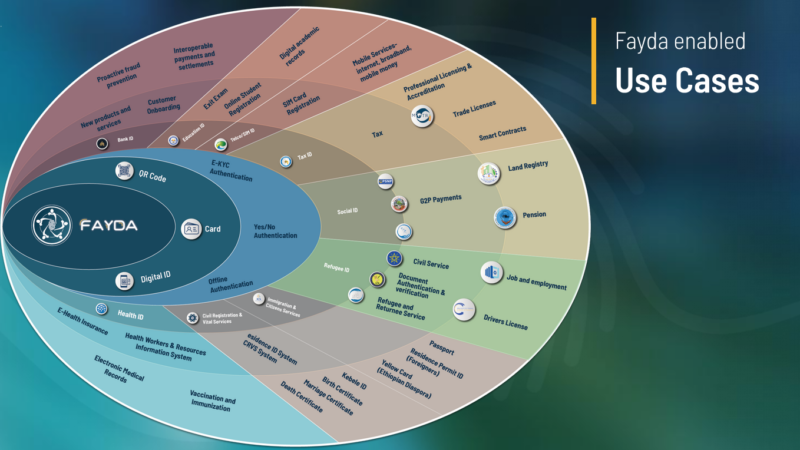
“For the first time, we can connect people with government services through a unique, secure identifier,” said Yodahe Zemichael, Executive Director of NIDP. “This will benefit sectors like banking, healthcare, education, and humanitarian aid.”
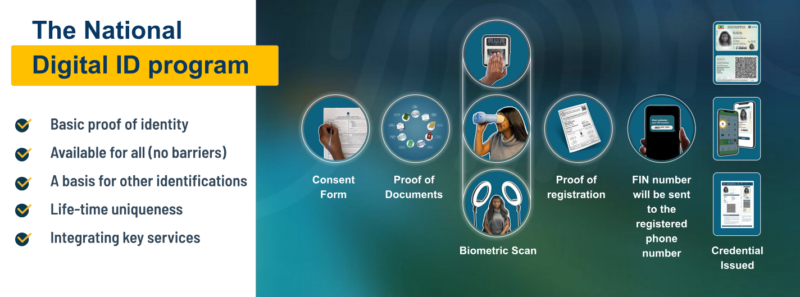
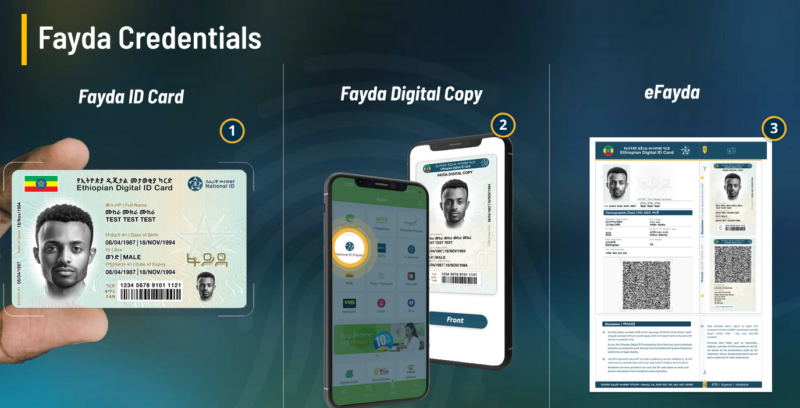
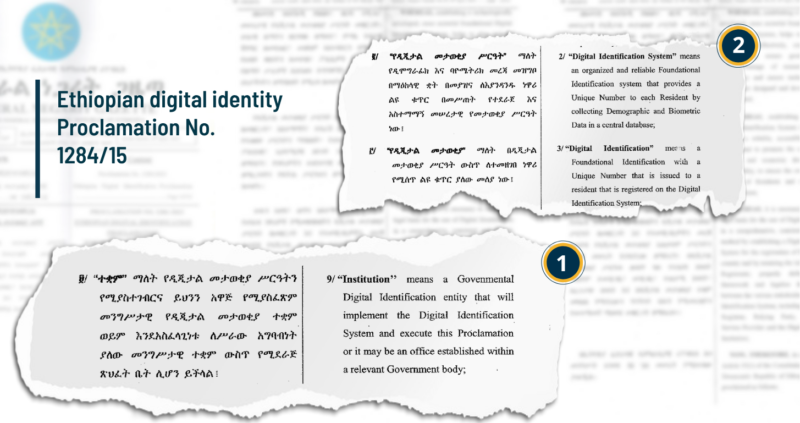
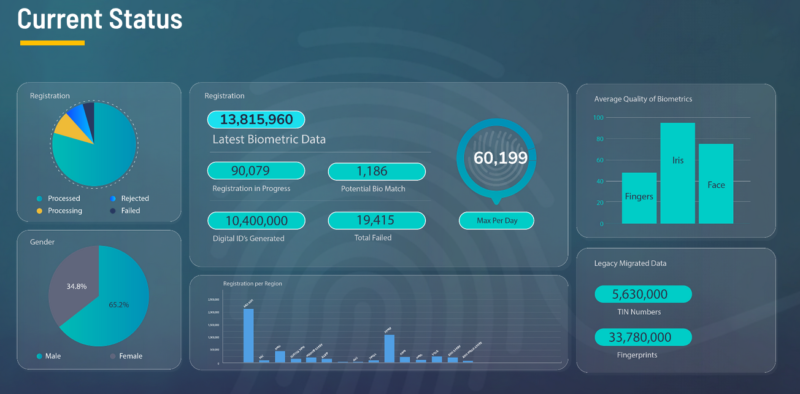
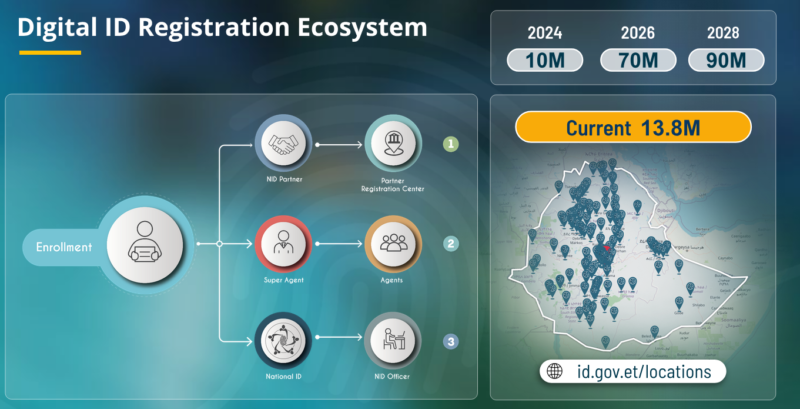
Backed by the World Bank’s ID4D Initiative, the project aims to register over 90 million Ethiopians by 2029. Already, more than 3.5 million citizens have received their Fayida ID. The biometric-based system captures facial recognition and fingerprint data to establish a Unique Digital Identity Number.
For citizens like Eyerusalem Tadesse, a student from Bahir Dar, the ID opened new doors.
“I was finally able to open a bank account in my name without hurdles,” she shared. “Before this, I always needed someone to verify me.”
The Challenges: Legal Gaps and Privacy Risks
However, researchers and digital rights advocates warn of glaring weaknesses. Ethiopia still lacks a comprehensive data protection law, and public awareness remains alarmingly low.
“The state is collecting sensitive biometric data without a proper legal framework,” noted Meskerem Hailemariam, a legal expert and digital rights activist. “This creates serious risks for abuse and exclusion.”
According to a 2023 report by the Center for the Advancement of Rights and Democracy (CARD), citizens in rural and marginalized areas remain largely unaware or misinformed about the initiative. The report also criticizes the lack of an independent data protection authority.
Voices of Concern from Civil Society
The Ethiopian Human Rights Council (EHRCO) and international watchdogs like Privacy International have expressed concerns over potential surveillance and discrimination.
“In countries without democratic oversight, Digital ID can become a tool for control,” said Laura Oduor, East Africa lead at Privacy International. “We’ve seen this in other parts of the continent.”
EHRCO adds that the ID rollout in conflict-prone regions like Amhara and Oromia has faced logistical and political barriers. “People are afraid the data might be used against them,” said Bereket Mekonnen, EHRCO’s field officer.
Global Lessons and Local Realities
Ethiopia is not alone. Countries like India (Aadhaar) and Kenya (Huduma Namba) offer cautionary tales and instructive models.
“India’s Aadhaar showed how digital ID can improve service delivery — but also how exclusion and data breaches are real threats,” noted Dr. Neema Kilonzo, a Kenyan data policy advisor.
Ethiopia’s approach includes community-based enrollment, digital literacy campaigns, and pilot integrations with banks and mobile operators. However, critics say the system may exacerbate Ethiopia’s digital divide unless interoperability, inclusivity, and transparency are prioritized.
The Unique Ethiopian Experience: Faith, Conflict, and Digital Identity
Unlike other countries, Ethiopia’s roll-out faces added complexity due to its ethnic federalism, internet blackouts, and civil unrest.
“In some regions, ethnic identity is stronger than national affiliation,” said Dr. Wondimu. “Convincing people to trust a federal ID system in such a context is an uphill battle.”
The government, however, insists that the digital ID will not record ethnic data and is “ethnicity-blind,” though verification at local levels often involves ethnicity-based identifiers.
Next Steps: Legal Reform and Citizen Engagement
A draft Personal Data Protection Proclamation is under parliamentary review. Experts urge swift approval to close the gap.
“You cannot build trust in digital infrastructure without protecting people’s data,” said Yordanos Abebe, a senior policy analyst at the Ministry of Innovation and Technology.
The National ID Program also plans to roll out mobile-based authentication, allowing citizens to access services even without smartphones — a key feature for the rural majority.
Will Ethiopia Get it Right?
The Digital ID system could be a game-changer for Ethiopia — if executed with equity, accountability, and foresight. But as Dr. Wondimu warned:
“A tool that empowers can also be a tool that controls. Ethiopia must decide which future it wants.”