





By Ayele Addis Ambelu (Journalist) ayeleradio@gmail.com
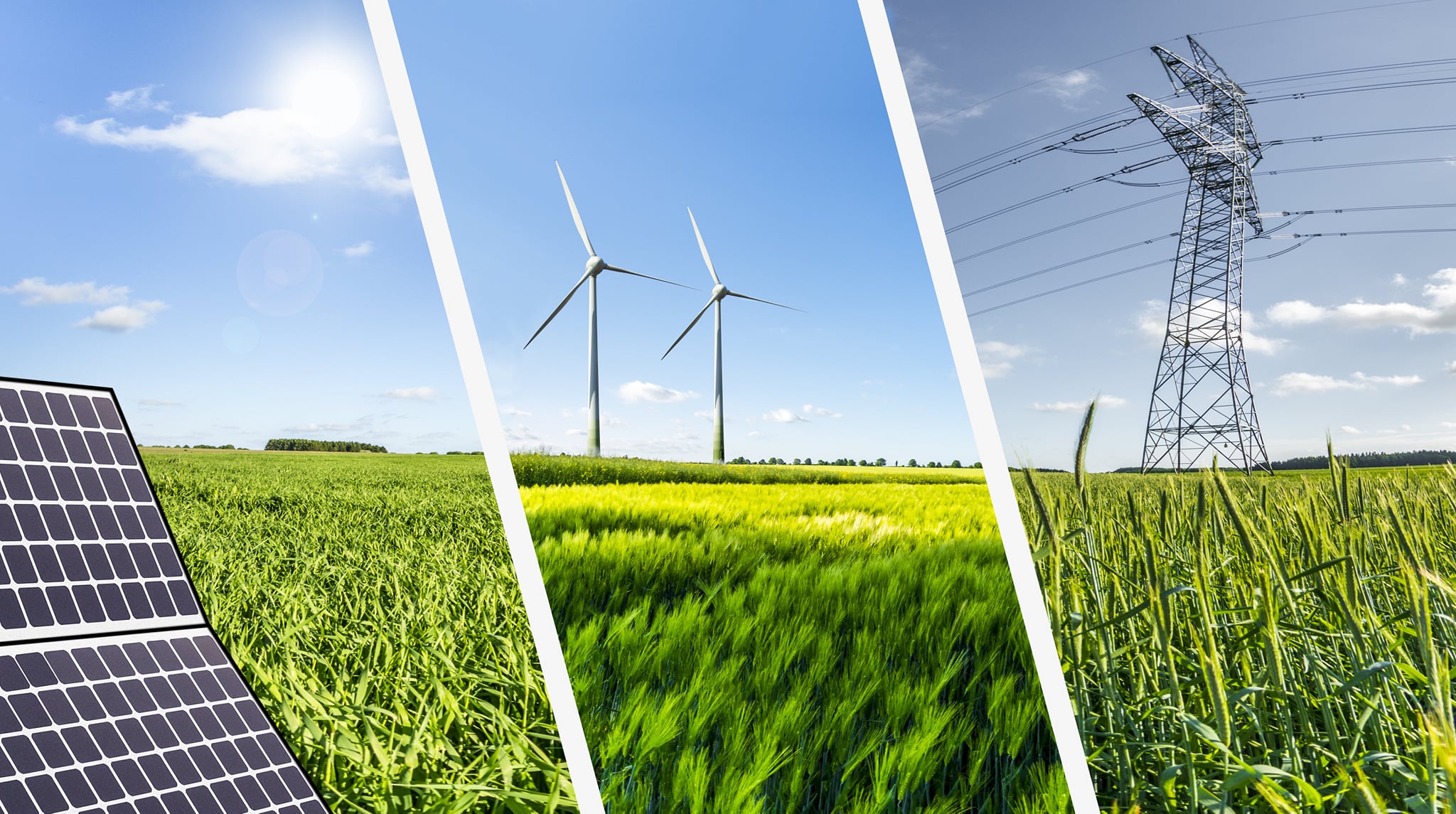
As the world races to combat climate change, the transition from fossil fuels to renewable energy has become a defining challenge for both developed and developing nations. Globally, oil-dependent economies face potential instability as they shift towards more sustainable energy sources like solar, wind, and geothermal power. In Africa, countries rich in renewable energy resources, like Ethiopia, are at the forefront of this transformation. However, the journey is fraught with challenges, from technological limitations to economic risks. How can Ethiopia and other African nations leverage their abundant natural resources to reduce dependency on oil while fostering sustainable development?
The Global Context: Fossil Fuel Dependency and the Renewable Energy Shift
Globally, fossil fuel dependency has long been a driver of economic growth, particularly for oil-exporting nations. However, the environmental and political consequences of this reliance have become more apparent, with climate change intensifying and geopolitical conflicts over energy resources becoming more frequent. According to the International Energy Agency (IEA), nearly 80% of the world’s energy needs are still met by fossil fuels, yet this needs to drastically shift to meet global climate goals outlined in the Paris Agreement.
Countries like Saudi Arabia and Russia, whose economies are deeply rooted in oil exports, are feeling the pressure. As they try to diversify their energy portfolios, their economies face potential turmoil. Meanwhile, industrialized nations in Europe and North America are rapidly advancing their renewable energy capabilities, with countries like Germany and the U.S. increasing investments in wind, solar, and battery storage technologies.
Africa, however, has both a unique challenge and an unparalleled opportunity. Despite contributing only 3% of global carbon emissions, African nations are among the most vulnerable to climate change. Yet, the continent is home to vast renewable energy potential, from the solar-rich deserts of the Sahara to the geothermal fields in East Africa.
Africa’s Renewable Energy Potential: A Look at Alternatives
Africa’s energy potential is massive, but underutilized. According to the International Renewable Energy Agency (IRENA), Africa could generate over 310 gigawatts (GW) from wind power and more than 1,000 GW from solar energy, not to mention the geothermal capacity located along the Great Rift Valley, which spans countries like Kenya and Ethiopia. If properly harnessed, these renewable resources could transform Africa’s energy landscape and power its economic growth.
In Ethiopia, the focus is on developing geothermal, hydroelectric, and wind power. The country’s Great Ethiopian Renaissance Dam (GERD), set to be the largest hydropower project in Africa, is a cornerstone of this strategy. But as droughts become more frequent due to climate change, hydropower alone may not be a reliable long-term solution. This is where geothermal energy comes into play.
Ethiopia’s Renewable Energy Strategy: Tapping into Geothermal Potential
Ethiopia is blessed with geothermal resources, particularly along the Rift Valley, which stretches from the Afar region in the north to the border with Kenya in the south. As Tamru Mersha, the Director of Communications at the Ethiopian Geological Survey, said to Ayele Addis (journalist) in an exclusive interview for Africa news channel interview, “The steam produced by the volcanoes in the Corbetti area alone has the potential to generate up to 10,000 megawatts (MW) of power.” This estimate highlights the significant, yet largely untapped potential of geothermal energy in Ethiopia.
Recent developments include the Corbetti and Tulu Moye Geothermal Projects, part of the country’s Green Economy Strategy, which aims to transition Ethiopia into a climate-resilient, low-carbon economy. Reykjavik Geothermal, an Icelandic company, is leading the charge with a $4 billion investment in these two projects. Each is expected to generate 500 MW, marking Ethiopia as a leader in geothermal energy on the continent.
Yet, despite Ethiopia’s ambitious plans, challenges remain. As Ato Melaku Tolcha, Ethiopia’s Director of Communications for the Ministry of Water, Irrigation, and Energy, mentioned in an exclusive interview with Africa News Channel, “The country’s current energy capacity is 4,280 MW, of which 94% comes from hydropower.” While this figure is impressive, it underscores the dependency on water resources, which are vulnerable to the effects of climate change. To address this, Ethiopia’s roadmap includes boosting electricity production to 17,300 MW by 2025, with a significant portion coming from geothermal and wind energy.
Challenges of Transitioning from Fossil Fuels to Renewables
The transition to renewable energy is not without its difficulties. One major hurdle is infrastructure. Renewable energy sources like solar, wind, and geothermal require significant investment in infrastructure, such as power grids and energy storage systems. This is particularly true in developing countries like Ethiopia, where much of the population, especially in rural areas, still lacks access to modern energy sources. According to the World Bank, Ethiopia’s electricity coverage stands at just 58%, with the government aiming for 100% coverage by 2025.
Inconsistency in renewable energy supply is another challenge. While fossil fuels provide a constant energy source, renewable energy can be weather-dependent. Wind and solar power, for example, fluctuate based on the time of day or season. Managing these fluctuations and ensuring a reliable energy supply requires advanced technology and energy storage solutions, which are still limited in many African countries.
The economic impact of transitioning away from oil also cannot be ignored. For oil-producing nations, moving to renewables means restructuring entire industries and potentially losing revenue from oil exports. Workers in oil-related industries may face job losses unless they are retrained for employment in the renewable energy sector.
Green Economy Strategy: A Model for Africa?
Ethiopia’s Green Economy Strategy offers a blueprint for other African nations looking to balance economic growth with environmental sustainability. The strategy focuses on four pillars: agricultural development, forest protection, technological innovation, and renewable energy. In doing so, Ethiopia aims to reduce its carbon emissions and foster sustainable development.
Ethiopia’s success lies in its multi-faceted approach: developing geothermal, hydropower, wind, and solar energy simultaneously. As Dr. Gebremeskel Zewdie, an energy researcher, noted in an interview, “The key to Ethiopia’s energy future is diversification. No single renewable resource can meet the country’s growing demand alone.” This sentiment is echoed by many experts, who agree that a mix of energy sources is necessary to ensure stability and resilience.
Conclusion: The Future of Ethiopia’s Renewable Energy
Ethiopia is at a pivotal moment in its energy transition. With abundant natural resources and a clear roadmap, the country is well-positioned to lead Africa in the shift to renewable energy. However, achieving these goals will require substantial investment, technological advancements, and international cooperation. By continuing to harness its geothermal, wind, and solar potential, Ethiopia can serve as a model for other nations grappling with the challenges of moving away from oil dependency and towards a greener, more sustainable future.
In the words of Ato Melaku Tolcha, “Ethiopia’s renewable energy journey is just beginning, but the road ahead is bright.” With the right strategies and support, Ethiopia’s renewable energy efforts could not only power its own growth but also inspire a continent-wide energy revolution.








