What if the next viral health tip you share on WhatsApp could put someone’s life in danger? In an age where information spreads at lightning speed, misinformation is quietly claiming lives, especially in Africa, where social media is often trusted more than science.
From boiled garlic “cures” for COVID-19 to alarming claims that vaccines cause infertility, false health advice is infecting our public spaces faster than any virus. One widely shared post claimed that young African women risk infertility if they take the COVID-19 or HPV vaccine. Another message making the rounds says boiling garlic and drinking it daily will prevent or cure COVID-19. And many still believe that mosquitoes can spread HIV, despite scientific evidence proving otherwise.
These are not harmless rumors. They are health hazards.
Health misinformation not only erodes trust in science but it also delays treatment, discourages preventive care, and endangers vulnerable populations. Consider this: during the height of the COVID-19 pandemic, some people avoided medical facilities, believing false cures from family WhatsApp groups. Others feared that vaccines would make them sterile, leading to hesitancy that could cost lives.
But let’s be clear. Garlic is healthy, yes, but it cannot cure COVID-19. The World Health Organization (WHO) andthe Africa CDC have consistently debunked this claim. Similarly, rigorous studies worldwide have found no evidence that COVID-19 or HPV vaccines cause infertility. These vaccines are life-saving tools, not threats to fertility. And regarding HIV, the science is simple: mosquitoes cannot transmit the virus. HIV cannot survive or reproduce in a mosquito’s body. This myth has been scientifically disproven again and again.
So, why does misinformation spread so easily? Because it often comes from people we trust—friends, relatives, or influencers. It comes in emotional language, with stories instead of facts. And in a world overwhelmed by information, the loudest voice—not the most accurate—often wins.
Some may argue: “What’s the harm in a little home remedy? Isn’t social media just a space for people to share experiences?” While it’s true that personal stories have power, when those stories spread false hope or fear, they can lead to dangerous consequences. Ignoring scientific evidence in favor of what’s trending can cost lives.
Here’s what we can all do: pause, check, and verify.
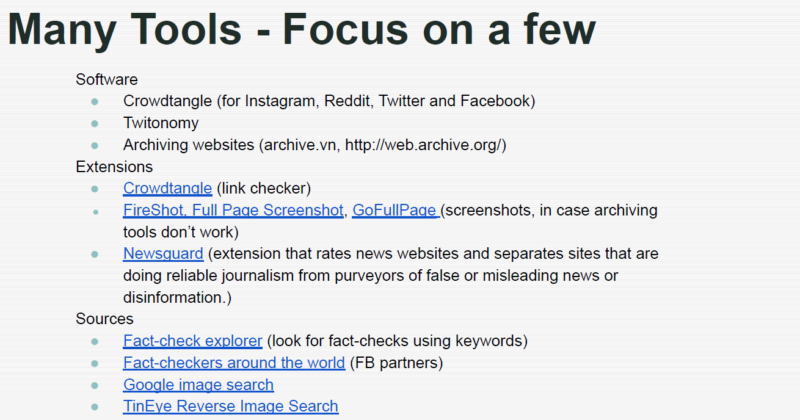
Before forwarding that next health tip, ask yourself:
- Did this come from WHO, the Africa CDC, or a peer-reviewed journal?
- Is it backed by science, or just by likes and shares?
- Could spreading this harm someone?
If the answer isn’t clear, don’t share it. Instead, direct others to trusted platforms like www.africacdc.org or www.who.int for verified health information. You can also use Africa Check or local health ministries to confirm claims.
We are living in an era where misinformation can go viral faster than disease. But we can also be part of the cure. Let’s make facts go viral. Let’s protect our communities with the truth. Because in the end, lives matter more than likes.
By Ayele Addis Ambelu (ayeleradio@gmail.com)