ADDIS ABABA | October 31, 2026 | Africa News Channel
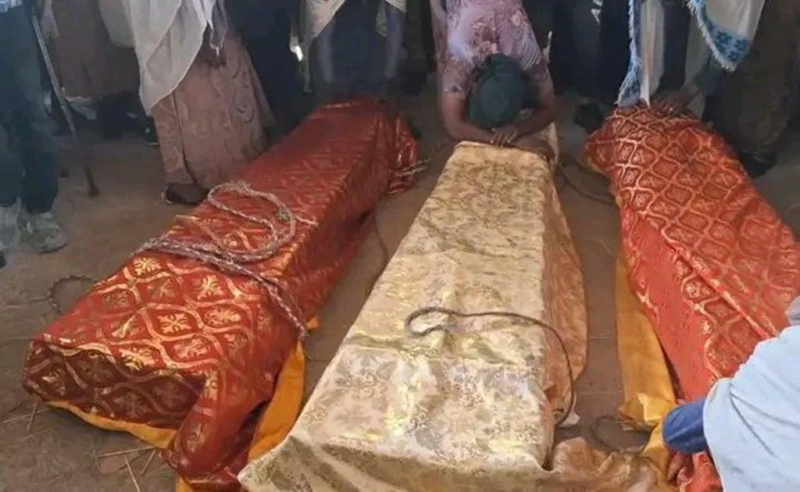
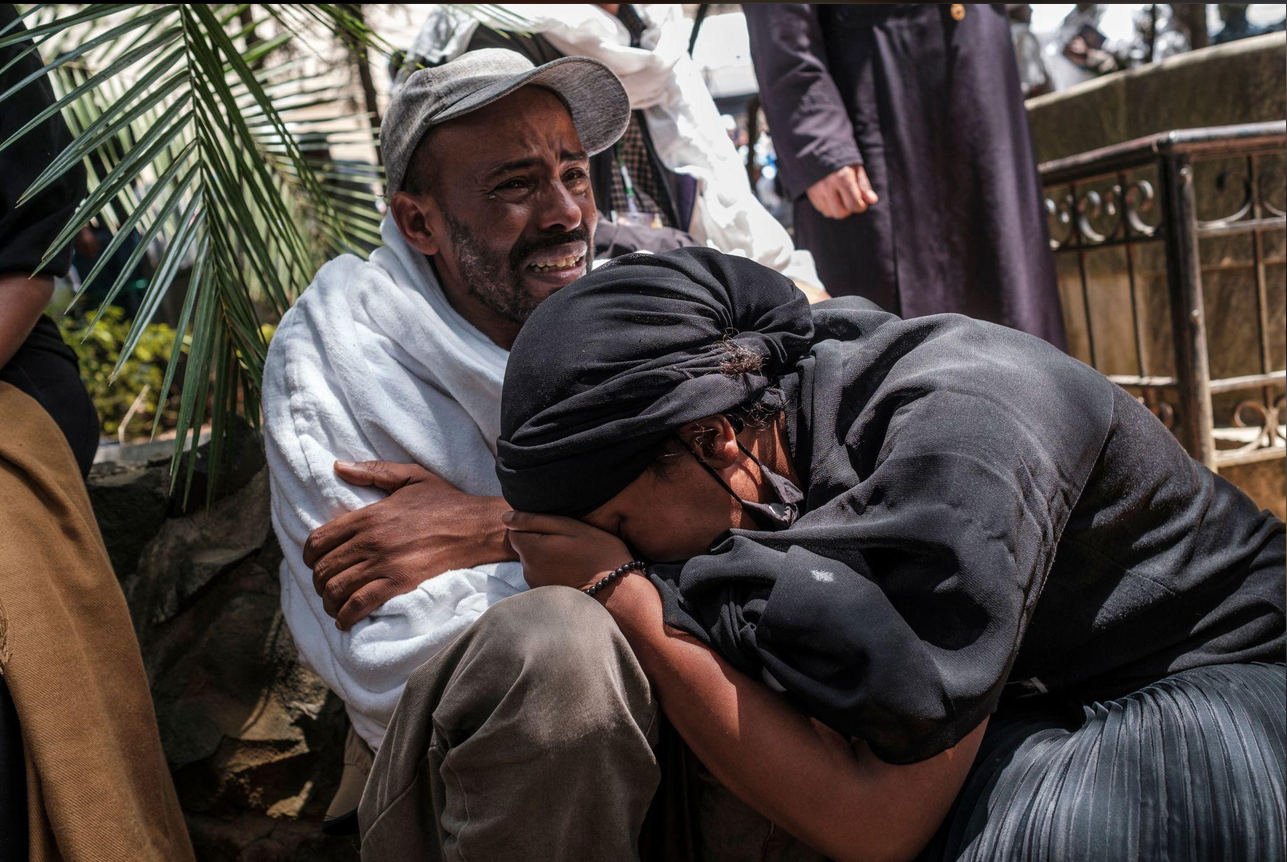
Mahibere Kidusan, an Ethiopian Orthodox Christian association, has called for an independent investigation into reported killings, forced displacement and destruction of property affecting Orthodox Christian communities, particularly in the Arsi Zone of Oromia Region.
In a public statement dated October 29, 2026, the association urged the federal and regional governments to take immediate action to protect civilians, investigate reported attacks, ensure accountability and provide assistance to victims and displaced families.
The association claimed that more than 20 incidents involving killings and destruction of property had occurred in Arsi Zone over the past year. It said the incidents had resulted in deaths, damage to property and the displacement of Orthodox Christian residents.
However, the figures and allegations presented in the statement have not been independently verified for this report. Further investigation is needed to establish the circumstances, perpetrators and full scale of the reported incidents.
More than 20 reported incidents raise concerns
Mahibere Kidusan described the incidents as a recurring pattern rather than isolated acts of violence.
“The persecution of Orthodox Christians, displacement, violations of fundamental rights, and the failure of protection mechanisms in Arsi in recent days is not an isolated incident,” the association stated.
It further expressed concern about the circumstances surrounding the burial of victims, alleging that some people killed in the attacks were buried in mass graves.
The association said the lack of publicly disclosed investigation findings had deepened the suffering of affected families and raised questions about accountability.
“The pain of this tragedy is compounded by the inadequate recognition these atrocious crimes have received,” the statement said.
The allegations concerning mass graves and the number of victims require independent forensic, investigative and documentary verification.
Independent monitoring points to escalating violence
The concerns raised by Mahibere Kidusan come amid wider reports of violence in the Arsi area.
An analysis published by the Armed Conflict Location & Event Data (ACLED), an independent conflict-monitoring organization, provides additional evidence of the scale and pattern of reported violence.
According to ACLED, at least 193 incidents involving civilian targeting were recorded in the Arsi area between February 2023 and October 2026. Approximately 33% of those incidents involved violence targeting Orthodox Christian residents.
ACLED further reported that it had recorded 25 incidents targeting Orthodox Christian civilians in Arsi during 2026, with approximately half occurring in Shirka Woreda. ACLED
The organization’s Ethiopia analyst, Dr. Jalale Getachew Birru, described the trend in particularly serious terms:
“Attacks directed at Orthodox Christian civilians have grown increasingly frequent and severe.”
ACLED
The monitoring group’s findings provide an important independent source for examining the pattern of violence, although incident counts alone do not establish the identity or responsibility of perpetrators in every case.
At least 60 reported deaths in October attacks
Separate reporting by international news organizations has also highlighted the seriousness of the recent attacks.
Reuters reported on October 27 that the Ethiopian Orthodox Tewahedo Church said at least 60 people were killed in two attacks in Oromia Region: 14 in Merti Woreda on October 20 and 46 in Shirka Woreda on October 24.
The report also cited claims that more than 20 homes were burned and more than 20 people were hospitalized with serious injuries. Reuters
The Associated Press separately reported the same death toll, citing the Ethiopian Orthodox Church and accounts from local residents and a priest. AP News
However, responsibility for the attacks remains contested. Reuters reported conflicting accusations concerning the perpetrators and motives. The Oromia regional government blamed an armed rebel alliance, while a source associated with the alliance accused regional government forces. The Oromo Liberation Army did not immediately respond to Reuters’ request for comment. These competing allegations have not established who was responsible. Reuters
International religious organizations express concern
The World Council of Churches (WCC) has also expressed concern over the reported killings and insecurity affecting Orthodox Christian communities in Arsi.
In a statement published in October 2026, the international ecumenical organization said:
“No person should be attacked, discriminated against or deprived of life because of their faith, ethnicity, community identity or any other characteristic.”
World Council of Churches
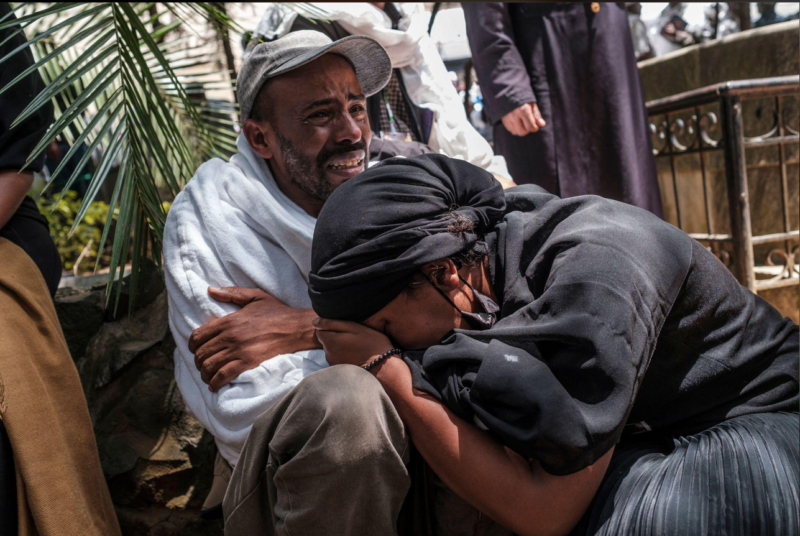
The WCC called for protection of affected communities and expressed solidarity with families who had lost relatives, those injured and people displaced by the violence.
Its statement also referred to earlier attacks in the region, including reports of approximately 37–40 deaths and the displacement of hundreds of people following violence beginning in May 2026. World Council of Churches
Constitutional and human rights obligations
The reported attacks raise serious questions about the protection of fundamental rights under Ethiopian law.
Article 14 of Ethiopia’s Constitution guarantees every person the inviolable and inalienable rights to life, security of person and liberty. Article 15 specifically protects the right to life, while Article 27 guarantees freedom of thought, conscience and religion.
Article 25 further guarantees equality before the law and equal protection without discrimination, including on the basis of religion. Refworld+1
The Ethiopian Human Rights Commission has also emphasized that freedom of religion and belief is constitutionally protected and that restrictions on its manifestation must meet specific legal requirements. EHRC
These legal protections place an obligation on public authorities to protect people from violence and discrimination, irrespective of their religious or ethnic identity.
Calls for government accountability and media responsibility
Mahibere Kidusan has called on federal and regional authorities to establish an independent investigation into the killings, attacks on churches, destruction of property and forced displacement.
It also urged the government to:
- Provide immediate security protection in areas at risk of further attacks.
- Facilitate the safe return of displaced families.
- Provide humanitarian, medical and psychosocial assistance.
- Compensate victims whose homes, businesses and properties have been destroyed.
- Publicly disclose investigation findings and prosecute those responsible.
The association also criticized what it described as inadequate coverage of the attacks by Ethiopian public media institutions.
It argued that media organizations have a professional and ethical responsibility to report human rights violations and give equal attention to the suffering of all communities.
“Silence in the face of injustice serves only to embolden perpetrators and deepen the suffering of victims,” Mahibere Kidusan stated.
The association further called on international human rights organizations, diplomatic missions, religious institutions and civil society organizations to document the reported violations and support accountability efforts.
The unanswered questions
Despite the growing number of reports, several critical questions remain:
- Who carried out the attacks and what evidence identifies the perpetrators?
- What measures did federal and Oromia regional authorities take to prevent further violence?
- Have independent investigations been launched into the reported killings and attacks on religious institutions?
- How many people have been killed, injured or displaced, and how many properties and churches have been destroyed?
- What arrangements are in place to protect affected communities and facilitate the safe return of displaced families?
Answers to these questions are essential to establishing the facts, preventing further violence and ensuring justice for victims.
For Mahibere Kidusan, the central demand is clear: an end to the killings, protection of religious freedom, justice for victims and accountability for those responsible.
The challenge now facing Ethiopian authorities and other stakeholders is to translate these demands into effective protection, credible investigations and lasting peace.