Ayele Addis Ambelu (africaunionmedia@gmail.com) +251918718307
Disarmament, Demobilization, and Reintegration (DDR) programs are crucial in post-conflict environments, particularly in Africa, where decades of civil wars, insurgencies, and communal conflicts have left millions displaced and armed groups integrated into local communities. DDR is designed to break the cycle of violence by providing pathways for former combatants to reintegrate into civilian life while ensuring sustainable peace. However, DDR programs face significant challenges that hinder their effectiveness, necessitating strategic solutions informed by best practices, expert insights, and policy innovations.
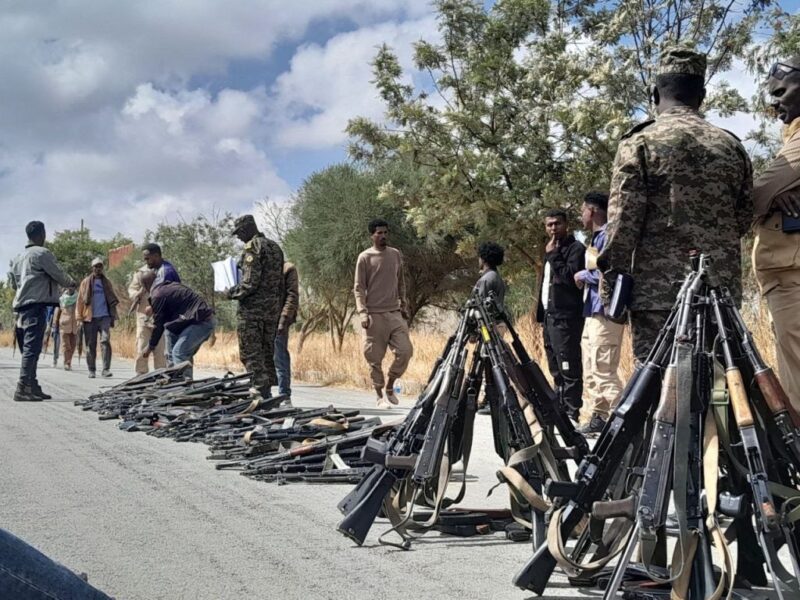
The DDR Framework: A Strategic Approach
DDR consists of three interdependent phases:
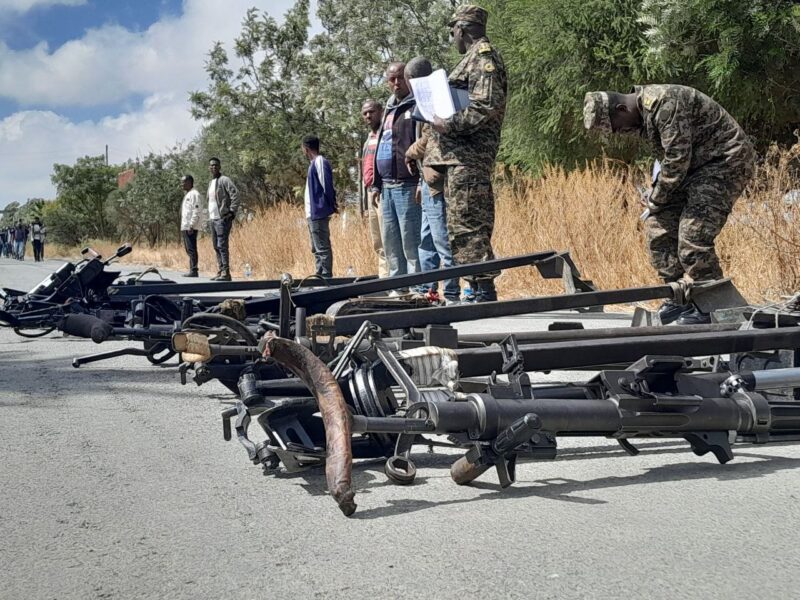
- Disarmament – The collection, documentation, control, and disposal of weapons from combatants and armed groups.
- Demobilization – The official discharge of combatants from military structures, providing initial support to facilitate their transition to civilian life.
- Reintegration – The long-term social and economic inclusion of ex-combatants into communities through vocational training, employment, education, and psychosocial support.
Each of these phases is essential to achieving long-term stability and security, yet they often encounter political, economic, and social roadblocks.
Best Practices in DDR Across Africa
1. The Case of Sierra Leone: Community-Based Reintegration
Following the brutal civil war (1991-2002), Sierra Leone’s DDR program succeeded in integrating ex-combatants into local communities through skills training and economic empowerment programs. With support from the United Nations and the World Bank, the country focused on rural-based agricultural initiatives, helping former fighters find sustainable livelihoods.
2. Rwanda: The Role of Psychological Rehabilitation
After the 1994 genocide, Rwanda implemented DDR policies that prioritized psychological rehabilitation alongside economic reintegration. The Rwanda Demobilization and Reintegration Commission (RDRC) provided trauma counseling and social reconciliation initiatives, which played a pivotal role in reducing recidivism among ex-combatants.
3. Mozambique: Economic Reintegration Through Private Sector Involvement
Mozambique’s DDR success story, following the end of its civil war in 1992, was largely due to its engagement with private enterprises that employed former combatants. Businesses were incentivized to hire DDR beneficiaries, thereby integrating them into the workforce and reducing reliance on government aid.
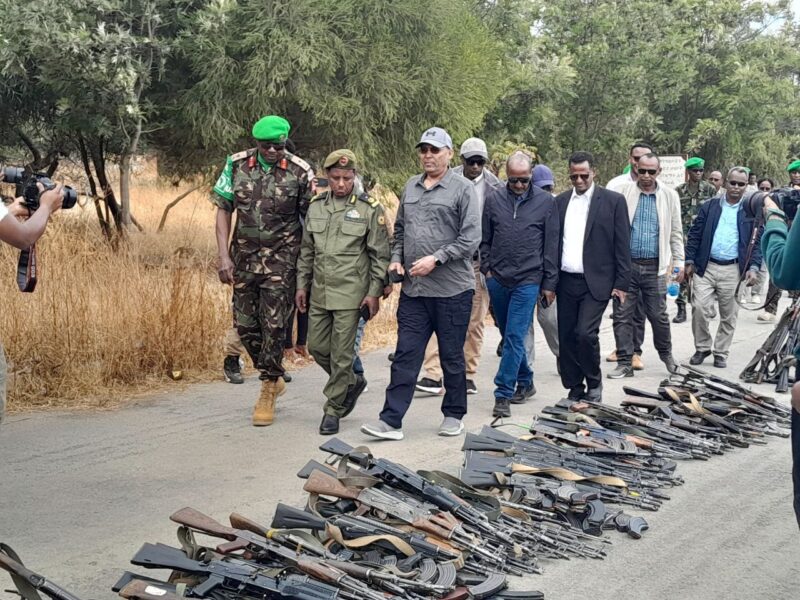
Challenges Facing DDR in Africa
Despite these successes, DDR programs in Africa have struggled with various challenges:
1. Political Resistance and Insecurity
In Ethiopia, South Sudan, and the Democratic Republic of Congo (DRC), political instability often impedes DDR implementation. Armed groups are reluctant to disarm without guarantees of security and political representation, leading to stalled or failed DDR efforts.
2. Inadequate Funding and Corruption
Many DDR programs suffer from insufficient funding, mismanagement, and corruption, limiting their ability to provide adequate support for demobilized fighters. In Nigeria, for instance, misallocation of funds in the DDR program for Boko Haram ex-combatants has drawn criticism from civil society organizations.
3. Societal Resistance and Stigma
Reintegrating former fighters into civilian life is often met with resistance from local populations, particularly in cases where ex-combatants were involved in atrocities. Women and children associated with armed groups, in particular, face severe social stigmatization.
Expert Views: Addressing DDR Shortcomings
Dr. Alex Mukasa, African Security Analyst
“DDR programs in Africa need to be more context-specific, integrating local customs and traditional conflict resolution mechanisms. The one-size-fits-all approach has led to failures in several countries.”
Professor Amina Yusuf, Political Science Researcher
“The success of DDR hinges on community engagement. Without the active involvement of local leaders, religious institutions, and civil society organizations, reintegration will always be superficial and temporary.”
Voices of Affected Individuals
Testimony of Former Combatant in Ethiopia’s Amhara Region
“I handed over my gun with the promise of a new life. But months later, I am struggling to feed my family because there are no jobs. DDR was supposed to help us, but we are left to fend for ourselves.”
A Community Leader from Northern Nigeria
“We want peace, but how do we accept former fighters into our villages when they have harmed our people? The government must ensure justice and reconciliation first.”
Policy Recommendations for Strengthening DDR in Africa
- Enhanced Security Guarantees – Governments must provide security assurances to armed groups to encourage disarmament.
- Sustainable Economic Reintegration – DDR programs should partner with private sector enterprises to create long-term employment opportunities.
- Community Involvement – Local leaders and civil society organizations should play a greater role in DDR design and implementation.
- Improved Monitoring and Evaluation – Transparent tracking of DDR beneficiaries can prevent corruption and ensure resources are used effectively.
- Tailored Psychological Support – Trauma-informed care should be incorporated into DDR programs, particularly for child soldiers and women.
Disarmament, Demobilization, and Reintegration remain essential for sustainable peace in Africa. While some countries have implemented successful DDR programs, ongoing challenges require innovative solutions that consider local realities, economic empowerment, and social reconciliation. Moving forward, Africa’s DDR strategies must be tailored, well-funded, and community-driven to achieve long-term stability and security.