





Addis Ababa/Geneva/New York/Oslo, November 5, 2024
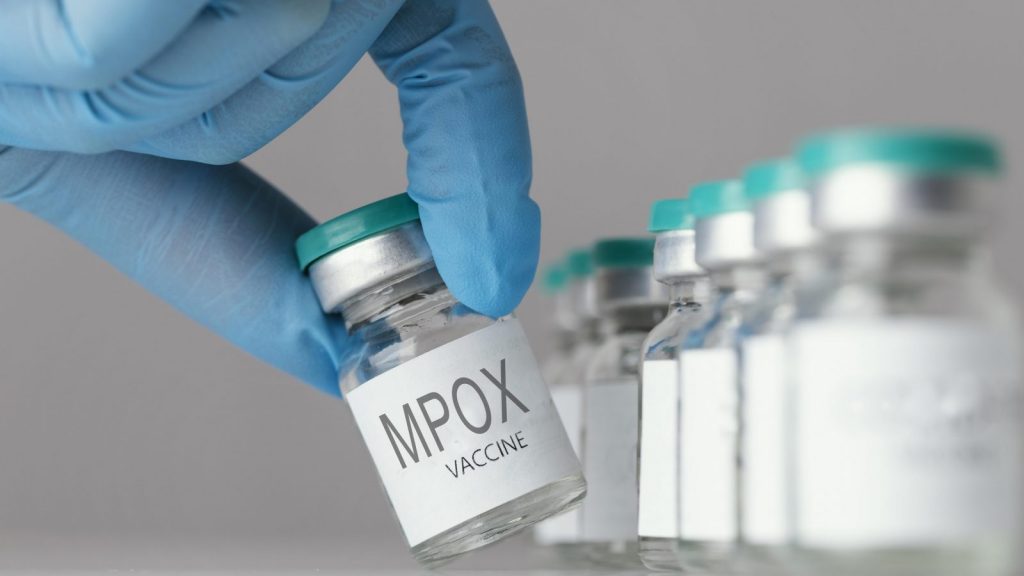
In a landmark decision, 899,000 vaccine doses have been allocated to nine African countries hardest hit by the ongoing mpox outbreak. This critical move is part of the Access and Allocation Mechanism (AAM), established to combat a surge in viral disease across the continent.
“This is a race against time to control the spread of mpox and save lives,” said Dr. Jean Kaseya, Director of Africa CDC. “These doses are a lifeline for communities in dire need.”
Prioritized Countries
The vaccine distribution targets the most affected nations: Central African Republic, Côte d’Ivoire, Democratic Republic of the Congo (DRC), Kenya, Liberia, Nigeria, Rwanda, South Africa, and Uganda. The Democratic Republic of the Congo, bearing the brunt of the outbreak, will receive 85% of the allocation as it accounts for four out of every five confirmed cases reported on the continent this year.
“This is the worst mpox outbreak we’ve seen in decades,” said Dr. Sophie Lokonga, a health worker in Kinshasa. “Vaccines are the light at the end of the tunnel for my country.”
A Collaborative Global Effort
The vaccine supply was secured through partnerships with donors, including Canada, Gavi, the Vaccine Alliance, the European Union, and the United States.
Dr. Seth Berkley, CEO of Gavi, emphasized the importance of a coordinated effort:
“No single organization can tackle this alone. By pooling resources, we aim to ensure equitable access and protect the most vulnerable.”
Strategic Vaccination Approach
The rollout will follow a phased strategy:
- Stop Outbreaks: Targeting healthcare workers, frontline responders, and close contacts of confirmed cases.
- Expand Protection: Reaching high-risk individuals in affected communities, including those with HIV and displaced populations.
- Protect for the Future: Building long-term immunity to prevent future outbreaks.
The immediate goal is to vaccinate 1.4 million high-risk individuals by the end of 2024.
“Vaccination alone isn’t enough,” noted Dr. Tedros Adhanom Ghebreyesus, WHO Director-General. “We must combine it with testing, education, and community engagement for a comprehensive response.”
Impact and Challenges
The outbreak has claimed over 1,000 lives in the DRC alone, with 19 African countries reporting cases. Limited vaccination has begun in the DRC and Rwanda, but many nations face logistical challenges.
“This is uncharted territory for most of us,” admitted Dr. Elizabeth Wanjiku, a Kenyan health official. We need training, infrastructure, and public awareness to make this a success.”
The AAM partners are working to scale up support, ensuring efficient vaccine delivery and readiness in recipient countries.
Voices from the Ground
Community leaders and health professionals are rallying behind the initiative:
- Dr. Julius Ochieng, a physician in Uganda, said, “These vaccines could mean the difference between life and death in our communities.”
- Fatoumata Diallo, a nurse in Côte d’Ivoire, stressed, “Educating the public is crucial. Vaccination hesitancy could undermine this life-saving effort.”
Future Prospects
With over 5.85 million doses expected to be available by year-end, the AAM anticipates further allocations to meet growing demand.
The mpox crisis has underscored the need for robust healthcare systems and international solidarity. “This allocation is a start,” said Dr. Margaret Edwin of Africa CDC. “But the real victory will be when we’ve stopped the outbreaks entirely.”








