After decades of painful injections, toxic medicines, and prolonged hospital stays, the World Health Organization introduces safer, shorter, and more effective treatments that could redefine the fight against kala-azar across Africa and Asia.
By Ayele Addis Ambelu (ayeleradio@gmail.com)
For decades, thousands of families across Africa and Asia have watched loved ones battle not only one of the world’s deadliest parasitic diseases but also endure treatments almost as brutal as the illness itself. Children have cried through weeks of painful daily injections. Parents have remained in overcrowded hospitals for months. Patients who survived kala-azar often returned home only to develop another devastating condition that carried social stigma and lifelong psychological consequences.
Now, the World Health Organization (WHO) says that era is beginning to end.
In what global health experts describe as one of the most significant advances in neglected tropical disease treatment in recent years, WHO has officially issued new treatment guidelines for visceral leishmaniasis (VL), commonly known as kala-azar, and post-kala-azar dermal leishmaniasis (PKDL). The recommendations replace some of the most toxic and burdensome treatment regimens ever used with safer, shorter, and significantly more patient-friendly alternatives.
The changes are particularly transformative for Eastern Africa—the region that now bears nearly four out of every five kala-azar cases worldwide—and for South Asia, where countries are striving to permanently eliminate the disease.
As WHO Director of Malaria and Neglected Tropical Diseases Dr. Daniel Ngamije Madandi declared,
“For too long, patients suffering from leishmaniasis have endured treatments nearly as punishing as the disease itself. These new WHO guidelines mark a turning point. By recommending safer, shorter, and more patient-friendly regimens, we are not just improving care; we are accelerating our fight to eliminate this devastating disease and offering renewed hope to communities across Africa and Asia.”
His words reflect what many researchers have spent decades working toward—a future where treatment no longer becomes an additional source of suffering.
A Silent Killer That Has Long Been Forgotten
Despite being one of the world’s most lethal parasitic diseases after malaria, leishmaniasis remains one of the most neglected.
According to WHO, visceral leishmaniasis affects approximately 50,000–90,000 people annually, although only 25–45 percent of these infections are officially reported. The disease is endemic in around 80 countries, primarily affecting poor, rural, and marginalized populations.
Transmitted through the bite of infected female sandflies, kala-azar attacks the immune system by invading macrophages and spreading through the spleen, liver, and bone marrow. Without treatment, it is almost always fatal.
Symptoms include prolonged fever, severe weight loss, anemia, enlargement of the spleen and liver, and profound immune suppression.
Scientific studies published in The Lancet Infectious Diseases, PLoS Neglected Tropical Diseases, and WHO technical reports have consistently shown that delayed diagnosis, weak health systems, malnutrition, HIV co-infection, and poverty significantly increase mortality (Alvar et al., 2012; WHO, 2024).
Yet surviving kala-azar has never guaranteed recovery.
Months after successful treatment, many patients develop Post-Kala-Azar Dermal Leishmaniasis (PKDL)—a chronic skin disease characterized by disfiguring lesions.
Although PKDL rarely causes death, it creates devastating social consequences.
Patients frequently experience discrimination, loss of employment opportunities, stigma in marriage prospects, isolation within communities, and serious mental health challenges.
Even more critically, PKDL patients remain infectious reservoirs, allowing sandflies to continue transmitting the parasite and undermining national elimination efforts.
Eastern Africa Has Become the Global Epicenter
The burden of kala-azar has shifted dramatically.
WHO reports that Eastern Africa accounted for approximately 79 percent of all reported global kala-azar cases in 2024, making it the new epicenter of the disease.
Perhaps most alarming is that half of all patients are children younger than fifteen years old.
Countries including Ethiopia, Sudan, Kenya, Uganda, South Sudan, Eritrea, and Somalia continue to report major outbreaks, particularly among displaced populations affected by conflict, climate change, drought, and food insecurity.
According to research led through the Leishmaniasis East Africa Platform (LEAP), these overlapping crises have increased vulnerability while making access to diagnosis and treatment even more difficult.
Replacing Pain with Progress
For decades, the standard treatment relied heavily on Sodium Stibogluconate (SSG).
Although effective, SSG became infamous among patients and clinicians alike.
Treatment required 34 painful intramuscular injections over 17 consecutive days.
The medicine frequently caused severe toxic effects, including cardiac complications, pancreatitis, liver toxicity, and prolonged hospitalization.
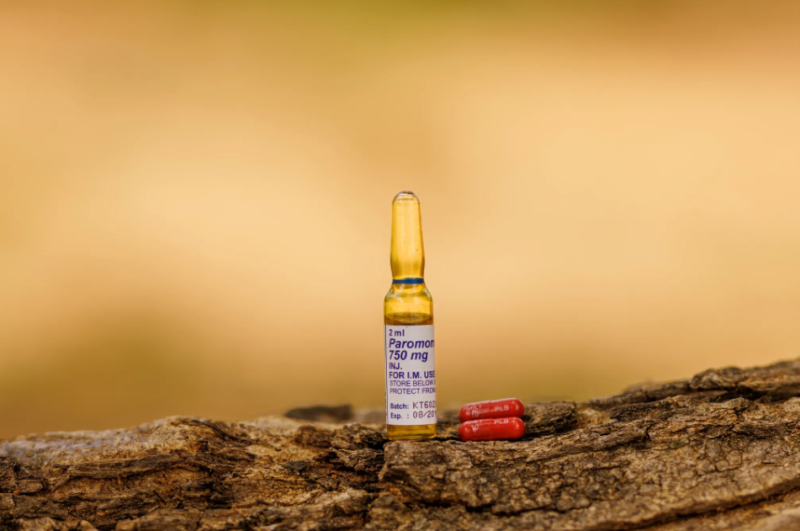
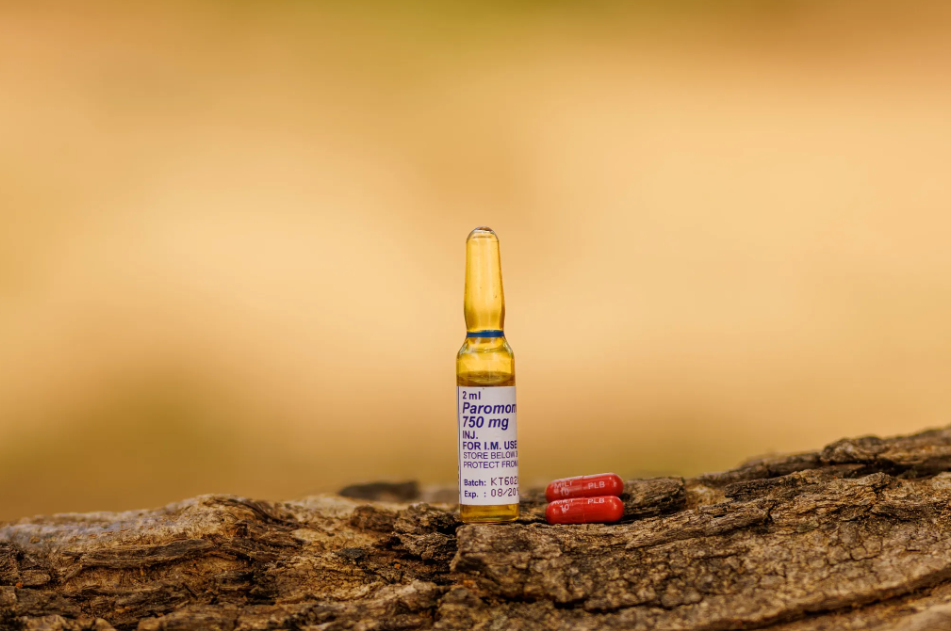
Now, for the first time, WHO recommends replacing SSG with an oral medicine—Miltefosine (MF)—combined with the injectable antibiotic Paromomycin (PM).
The results are remarkable.
Clinical trials conducted across Ethiopia, Kenya, Sudan, and Uganda demonstrated that the MF+PM combination achieved cure rates exceeding 90 percent.
Instead of 34 injections, patients receive only 14 injections alongside oral medication.
Hospital stays are substantially shortened.
Pain is dramatically reduced.
Treatment becomes considerably easier for both patients and healthcare workers.
Even more importantly, researchers found that the new regimen also reduces the likelihood of patients later developing PKDL.
A Revolutionary Change for PKDL Patients
Perhaps the greatest transformation comes for patients living with PKDL.
In Sudan, where nearly 20 percent of kala-azar survivors eventually develop PKDL—the highest documented rate globally—traditional treatment often required hospitalization lasting between 60 and 90 days.
That burden has now changed dramatically.
Clinical trials showed that the MF+PM combination achieved exceptionally high cure rates while reducing hospitalization to only 14 days.
Patients can then complete the remaining 28 days of oral treatment at home, reducing enormous financial, emotional, and logistical burdens on families.
Professor Ahmed Musa, Sudan’s Minister of Higher Education and Scientific Research and former principal investigator at the Institute of Endemic Diseases, University of Khartoum, explained the significance:
“The new regimens offer significant advantages for patients. Shorter hospital stays mean patients with PKDL no longer need to spend weeks away from home. Reducing the number of painful, toxic injections and replacing them with an oral component has made treatment not only easier but also safer for patients.”
WHO notes that because Miltefosine may affect fetal development, women of childbearing age must receive pregnancy testing and appropriate contraception before beginning treatment. Patients unable to meet these conditions will continue receiving existing standard therapies.
South Asia Takes Another Step Toward Elimination
In India, Bangladesh, and Nepal, years of intensive elimination campaigns have reduced kala-azar cases dramatically.
However, PKDL remains one of the greatest threats to sustaining these achievements.
WHO estimates that 5–15 percent of treated kala-azar patients eventually develop PKDL.
Historically, treatment depended on 12 weeks of continuous Miltefosine therapy, a regimen associated with poor adherence and concerns over ocular toxicity.
The revised WHO guidelines now recommend safer alternatives using Liposomal Amphotericin B (LAmB) either alone or combined with a shorter course of Miltefosine.
These new strategies reduce overall drug exposure while maintaining high effectiveness.
Professor Shyam Sundar of Banaras Hindu University, one of the world’s leading kala-azar researchers, emphasized the importance of these changes:
“We have seen firsthand in Bihar how improved treatment regimens for PKDL can transform patient outcomes. The move towards safer, shorter, and combination therapies is a major step forward. It reduces toxicity concerns, improves adherence, and ultimately strengthens our efforts to eliminate kala-azar by addressing PKDL as a key reservoir of infection.”
Ethiopia at the Center of Scientific Innovation
Ethiopia has played a pivotal role in generating the evidence behind these new recommendations.
Researchers from the University of Gondar’s Leishmaniasis Research and Treatment Centre, working alongside regional partners through LEAP, helped conduct the clinical trials that informed WHO’s decision.
Dr. Eleni Ayele, a leading Ethiopian leishmaniasis researcher, highlighted why shorter therapies matter in the Ethiopian context:
“In Ethiopia, many of our patients with visceral leishmaniasis are adults who arrive late and already very ill, some also presenting with HIV co-infection. Shorter, less toxic treatments are critical, not only to improve outcomes, but also to ensure patients can complete treatment and return safely to their livelihoods.”
Her observations reflect longstanding research demonstrating that HIV-VL co-infection remains one of the most difficult clinical challenges in East Africa (Lindoso et al., 2014; WHO-TDR).
Children Could Benefit the Most
Children account for nearly half of all kala-azar cases in Eastern Africa.
For these young patients, the reduction from 34 painful injections to just 14 represents more than medical progress—it changes the entire treatment experience.
Dr. Patrick Sagaki of Uganda’s Amudat Hospital described what this means on the ground:
“In places like Amudat, many of our patients are children under 15 who, together with their caregivers, travel long distances to reach care. For a sick child, having to endure up to 34 painful injections is extremely difficult. Reducing this to just 14 injections, combined with an oral medicine, makes treatment far more manageable for our young patients.”
Hope Beyond Today’s Breakthrough
Even as WHO celebrates these advances, researchers are already preparing the next generation of therapies.
The Drugs for Neglected Diseases initiative (DNDi), working in partnership with Novartis, is developing LXE408, an innovative oral drug candidate designed to eliminate the need for injectable treatments altogether.
Dr. Fabiana Alves, Director of DNDi’s Leishmaniasis-Mycetoma Cluster, explained:
“We are delighted that more patient-friendly treatments developed with our partners have been included in the WHO guidelines. These advances are important steps towards elimination, but we are already looking ahead. We are now working with Novartis and partners on the development of LXE408, a promising new oral candidate that could help us soon finally move away from injectable regimens.”
If successful, LXE408 could represent one of the biggest transformations in kala-azar treatment since effective chemotherapy first became available.
Global Researchers Welcome the Historic Decision
Experts across endemic countries have welcomed the updated guidelines.
Dr. Krishna Pandey of India’s ICMR-Rajendra Memorial Research Institute observed:
“Relapse cases have always been challenging to manage, often requiring more intensive care and follow-up. These updated recommendations provide much-needed clarity, especially on combination therapies and optimized dosing. For patients, this means a better chance of cure, fewer repeated treatments, and renewed confidence in the health system.”
Bangladesh-based scientist Dr. Dinesh Mondal added:
“For patients living with PKDL, these new treatment recommendations represent a meaningful shift. Shorter, more effective regimens, especially those using liposomal amphotericin B, can significantly reduce the burden of prolonged treatment. This not only improves adherence but also helps patients return to their normal lives sooner, while reducing the risk of ongoing transmission in the community.”
Dr. Koert Ritmeijer, Neglected Tropical Diseases Advisor at Médecins Sans Frontières, emphasized implementation:
“For decades, we have treated patients with long, painful and potentially toxic regimens that are difficult to deliver in the settings where this disease occurs. These new recommendations mark an important shift toward treatments that are better suited to the realities on the ground. The goal is not just effective treatment, but treatment that patients can realistically access and complete.”
From Scientific Evidence to National Action
Following WHO’s endorsement, endemic countries are expected to revise their national treatment guidelines rapidly.
Kenya has already begun the process.
According to Wyckliff Omondi, Head of Kenya’s Division of Vector Borne and Neglected Tropical Diseases:
“Now that the WHO has updated its treatment guidelines, we are working also to include the new treatments in our national guidelines, so our patients can benefit from them as soon as possible. Kenya has been an active partner in the development of these new treatments through the Leishmaniasis East Africa Platform, and we are hopeful that all our joint efforts will lead to the elimination of this terrible disease.”
A Turning Point in the Fight Against Neglected Diseases
The WHO recommendations represent far more than a technical revision of treatment protocols.
They symbolize decades of international collaboration involving WHO, DNDi, the Leishmaniasis East Africa Platform (LEAP), universities, ministries of health, humanitarian organizations, and research institutions across Africa, Asia, and Europe. Financial support from organizations including the European and Developing Countries Clinical Trials Partnership (EDCTP2), the European Union, WHO-TDR, Médecins Sans Frontières, the Dutch Ministry of Foreign Affairs, the French Development Agency, the UK Medical Research Council, and others made these trials possible.
For millions living in remote villages where kala-azar remains a constant threat, these guidelines offer something more powerful than new medicines: the promise that treatment no longer has to be as frightening as the disease itself.
As countries move to integrate these regimens into national policies, global health experts believe this milestone could accelerate the elimination of kala-azar while restoring dignity, reducing suffering, and bringing lifesaving care within easier reach of some of the world’s most vulnerable communities.