World Cup 2026 in Chaos? Politics, Bans, Sky-High Prices and FIFA’s Biggest Crisis Yet
The 2026 FIFA World Cup was supposed to be a celebration of global football, but even before the tournament reached full speed, it became engulfed in controversy. Critics argue that instead of uniting the world, the competition has exposed deep divisions over politics, immigration, money, and fairness. FIFA President Gianni Infantino has faced accusations of abandoning football’s political neutrality through his close relationship with Donald Trump. Images of the two together at public events sparked criticism from fans and human rights groups who believe football’s governing body is becoming too closely aligned with political power.
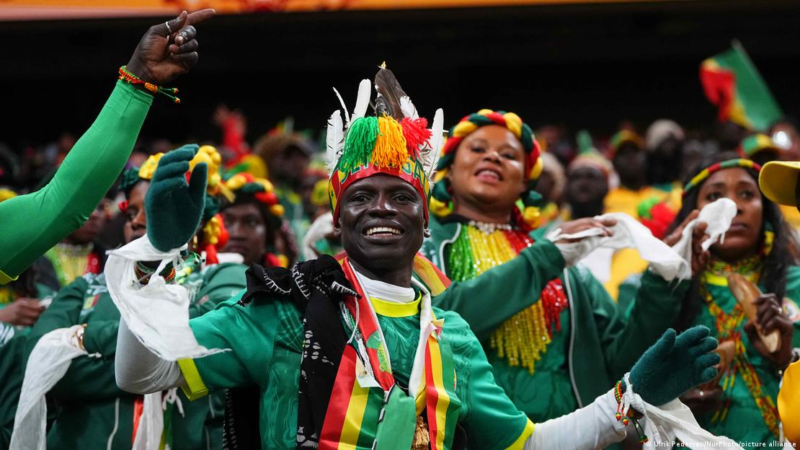
Perhaps the most explosive controversy surrounds travel restrictions affecting fans, officials, and even tournament participants. Supporters from countries including Iran, Haiti, Senegal and Ivory Coast have faced major visa obstacles, preventing many from attending matches. Critics ask a simple question: “Can a World Cup truly be global if many supporters cannot enter the host country?” The issue became even more dramatic when Somali referee Omar Abdulkadir Artan, named Africa’s top referee in 2025, was denied entry into the United States and removed from the tournament. The decision sparked outrage across Africa, with sports officials calling it a blow to football’s principles of equality and fair play.
“Football should unite people, not divide them.”
That sentiment has echoed throughout the tournament as immigration concerns overshadow sporting discussions. Iran’s national team was also forced to alter its World Cup preparations after visa restrictions affected members of its delegation, creating additional logistical challenges before a ball was even kicked.
Another controversy involves ticket prices that many fans describe as outrageous. FIFA’s use of dynamic pricing has led to enormous fluctuations in costs, with some seats reaching astonishing figures. Reports of premium final tickets costing hundreds of thousands of dollars fueled accusations that football’s greatest tournament has become increasingly inaccessible to ordinary supporters. Fan groups claim that the World Cup is being transformed into an event for wealthy spectators while lifelong football supporters are priced out.
On the sporting side, FIFA’s expansion from 32 to 48 teams has triggered fierce debate. Supporters argue that more nations deserve the chance to participate. Critics counter that the expansion weakens competitive quality and makes qualification to the knockout stage significantly easier. Some observers believe the move was motivated as much by politics and revenue as by sporting development.
Environmental concerns have added yet another layer of criticism. The tournament spans vast distances across North America, requiring extensive air travel between host cities. Climate researchers and environmental organizations warn that the competition could become the most carbon-intensive World Cup ever staged. Fans have also complained about expensive transportation and parking costs around stadiums, raising questions about FIFA’s promises regarding sustainability.
Against this backdrop, the United States’ impressive performances on the field have not silenced the controversies off it. Instead, World Cup 2026 has become a tournament defined by two competing narratives: thrilling football and growing criticism. As the competition continues, the question remains whether memorable matches will ultimately overshadow the political disputes, visa battles, ticket-price scandals, and environmental concerns that have dominated headlines.
By Ayele Addis Ambelu