





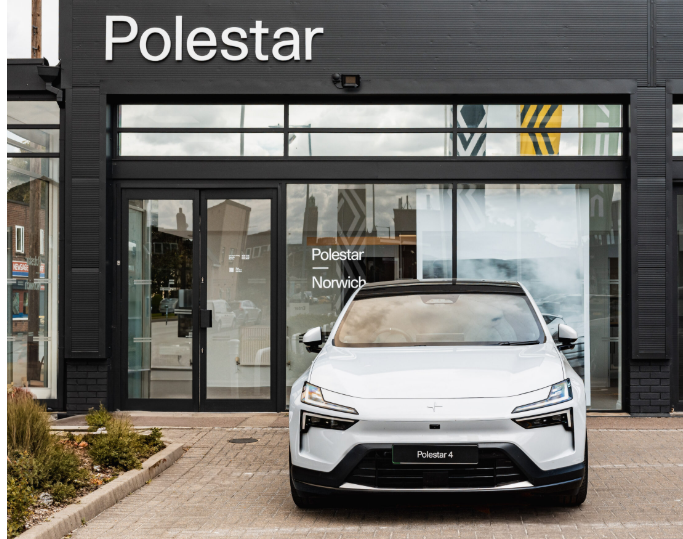
Norwich is charging headfirst into the electric future, but residents say the city needs to move even faster.
New figures obtained through a Freedom of Information (FOI) request by Polestar reveal that Norwich currently has 293 publicly accessible EV charging ports, with plans underway to install 15 additional charging points across city car parks and on-street locations.
The findings come amid a surge in demand for electric vehicles and growing pressure from residents who believe charging infrastructure must keep pace with the rapid transition away from petrol and diesel cars.
During a recent consultation on Norwich City Council’s Air Quality Action Plan, EV charging infrastructure emerged as one of the top concerns among local residents. A total of 142 respondents identified charging provision as a key priority, highlighting increasing anxiety over whether the city’s current network can support the next wave of electric vehicle drivers.
The urgency is being driven by a nationwide EV boom. According to the Society of Motor Manufacturers and Traders (SMMT), sales of pre-owned electric vehicles skyrocketed by 32% in the first quarter of 2026, compared with the same period last year. As fuel prices remain unpredictable and the 2030 ban on new petrol and diesel car sales draws closer, more motorists are seeking affordable ways to make the switch.
Norwich’s planned expansion builds on an earlier rollout of 46 new chargers, but many believe much more will be needed as EV ownership continues to accelerate.
Jeremy Trett, Group General Manager for Polestar Norwich, said the consultation results underline the growing importance residents place on accessible charging infrastructure.
“It’s encouraging to see continued investment in public charging provision, particularly with additional rapid and on-street chargers planned across the city,” he said.
The electric transition is already gaining momentum locally. Polestar reports that its Norwich and Bury St Edmunds locations experienced a remarkable 57% increase in pre-owned EV sales between Q4 2025 and Q1 2026, reflecting the growing appetite for lower running costs and greener motoring options.
With thousands more drivers expected to go electric over the coming years, the message from Norwich residents is becoming increasingly clear: the future is electric, but the city’s charging network must keep up with demand.








