By Ayele Addis Ambelu (Ayeleradio@gmail.com)
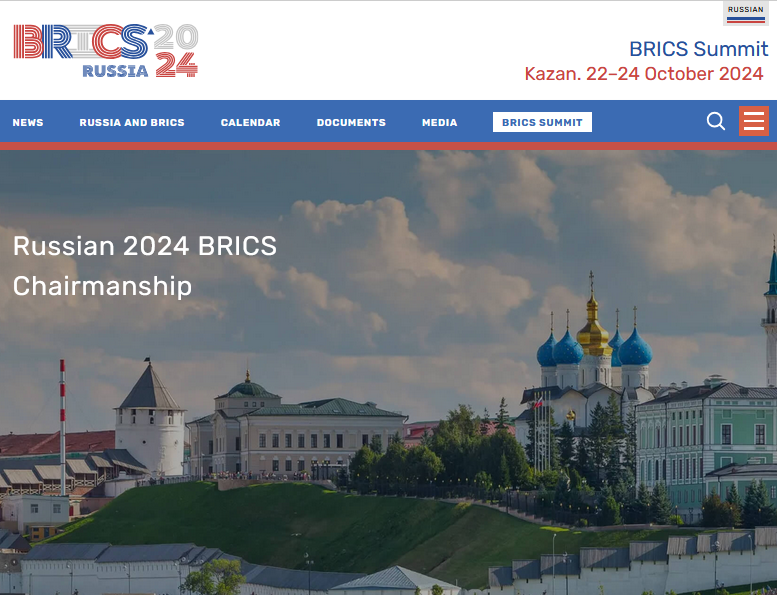
The upcoming BRICS Summit in Kazan, Russia (October 22-24, 2024) represents a pivotal moment in the evolution of global governance. The summit is not just another diplomatic gathering but a testament to the accelerating shifts in the geopolitical landscape, marked by the rise of multipolarity and the recalibration of international alliances. As the world transitions away from a unipolar order dominated by Western powers, the BRICS bloc—comprising Brazil, Russia, India, China, and South Africa—has emerged as a prominent counterbalance. With the inclusion of new members like Egypt, Saudi Arabia, and the UAE, BRICS is expanding its influence and legitimacy in shaping the future world order.
Multipolarity: A Core Theme
The concept of multipolarity will be central to discussions in Kazan. As highlighted in the Valdai Discussion Club’s analysis, multipolarity is no longer a theoretical ideal but a reality shaping global interactions. BRICS has made it clear that it seeks to challenge the traditional dominance of Western institutions like the IMF and the World Bank by advocating for reforms in global governance. These reforms aim to better reflect the diverse economic and political realities of today’s world, rather than the post-World War II status quo that underpins these institutions.
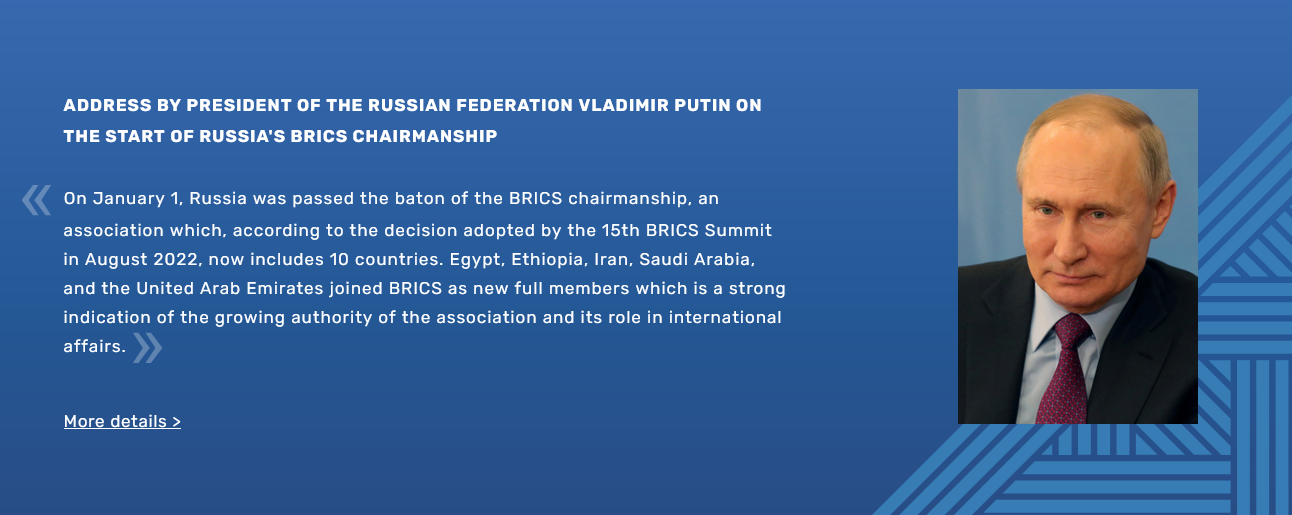
Russia’s chairmanship of BRICS this year is strategically significant. President Vladimir Putin has emphasized that the bloc’s activities under the Russian presidency will focus on “Strengthening Multilateralism for Just Global Development and Security.” This reflects not only a desire to redefine multilateralism—making it more inclusive and representative—but also to address the perceived failures of current international governance structures, particularly the United Nations. The IMF’s acknowledgment of shifting financial flows in line with geopolitical alliances underlines the growing momentum towards multipolarity. This realignment of economic power could lead to a more equitable global financial system, as BRICS continues to push for alternatives to the US dollar in trade, expanding the use of national currencies.
BRICS as a Force for Global Reform
The BRICS bloc has long advocated for the reform of global institutions, arguing that they have failed to achieve the principles of the UN Charter, particularly in terms of peace, security, and development. The bloc’s consistent emphasis on the centrality of the UN, as discussed by scholars like Mikatekiso Kubayi, signals its commitment to reforming multilateralism, rather than abandoning it. This desire for a more democratic and accountable UN system aligns with broader calls for reforms in global financial institutions.
At the same time, BRICS’ success in maintaining unity and coherence among its diverse members will be closely scrutinized. The bloc’s focus on sovereign equality and respect for different development paths contrasts with Western institutions, often criticized for imposing political and economic conditions on developing countries. This cooperation model without interference will likely attract more countries seeking alternatives to Western-led global governance.
However, high expectations surrounding BRICS are a double-edged sword. As Viktoria Panova notes, the bloc’s growing influence has generated heightened anticipation, which could lead to disillusionment if tangible results are slow to materialize. The expansion of BRICS, while a sign of its growing authority, also brings challenges in terms of maintaining cohesion and delivering on its ambitious agenda.
Geopolitical Context: The Ukrainian Crisis and Beyond
Russia’s hosting of the summit comes at a time when the country is heavily engaged in the Ukrainian conflict, which has led to significant Western sanctions and geopolitical isolation. The summit provides Russia an opportunity to demonstrate that it is far from isolated, and remains a key player in global affairs. The discussions between Russian Foreign Minister Sergey Lavrov and his Brazilian counterpart, Mauro Vieira, ahead of the summit underscore the bloc’s commitment to addressing major global security issues, including the Ukrainian crisis.
For Russia, the BRICS summit is not just about economic and political cooperation but also about foreign policy coordination, as it seeks to align with like-minded states on issues of security and stability. This will be particularly important as BRICS seeks to formulate collective responses to the challenges of the modern world, including conflicts, economic disparities, and climate change.
Expanding Influence and Challenges
BRICS’ expanded membership to include nations like Iran and Saudi Arabia underscores its growing influence and attractiveness to countries seeking to diversify their international relationships beyond Western alliances. The increasing interest of around 30 other countries in joining BRICS in some capacity is a testament to its rising geopolitical relevance. However, managing this expansion while maintaining the bloc’s core values of consensus and cooperation will be a delicate balancing act.
BRICS also aims to enhance its role in the global economy, particularly through initiatives like the Strategy for BRICS Economic Partnership 2025 and the Action Plan for BRICS Innovation Cooperation 2021-2024. These initiatives are focused on critical issues like energy and food security, and the expanded use of national currencies in trade. These moves not only aim to reduce dependency on Western-dominated financial systems but also reflect a broader effort to create a more resilient and self-sufficient global South.
Conclusion: BRICS and the Future of Global Governance
As BRICS convenes in Kazan, it will be under intense scrutiny to deliver on its promise of a more just and equitable global order. The summit is not just a test of BRICS’ ability to function as a coherent group, but also of its capacity to influence the broader trajectory of international relations. With multipolarity becoming a defining feature of the global system, the outcomes of this summit will likely reverberate far beyond its immediate participants.
The Kazan summit could mark a turning point in the transition to a new era of global governance, in which emerging powers like BRICS redefine the rules of engagement, challenging the West’s dominance while advocating for a more inclusive and representative world order.