By Dessalegn Yeshambel October 30, 2024, Addis Ababa, Ethiopia
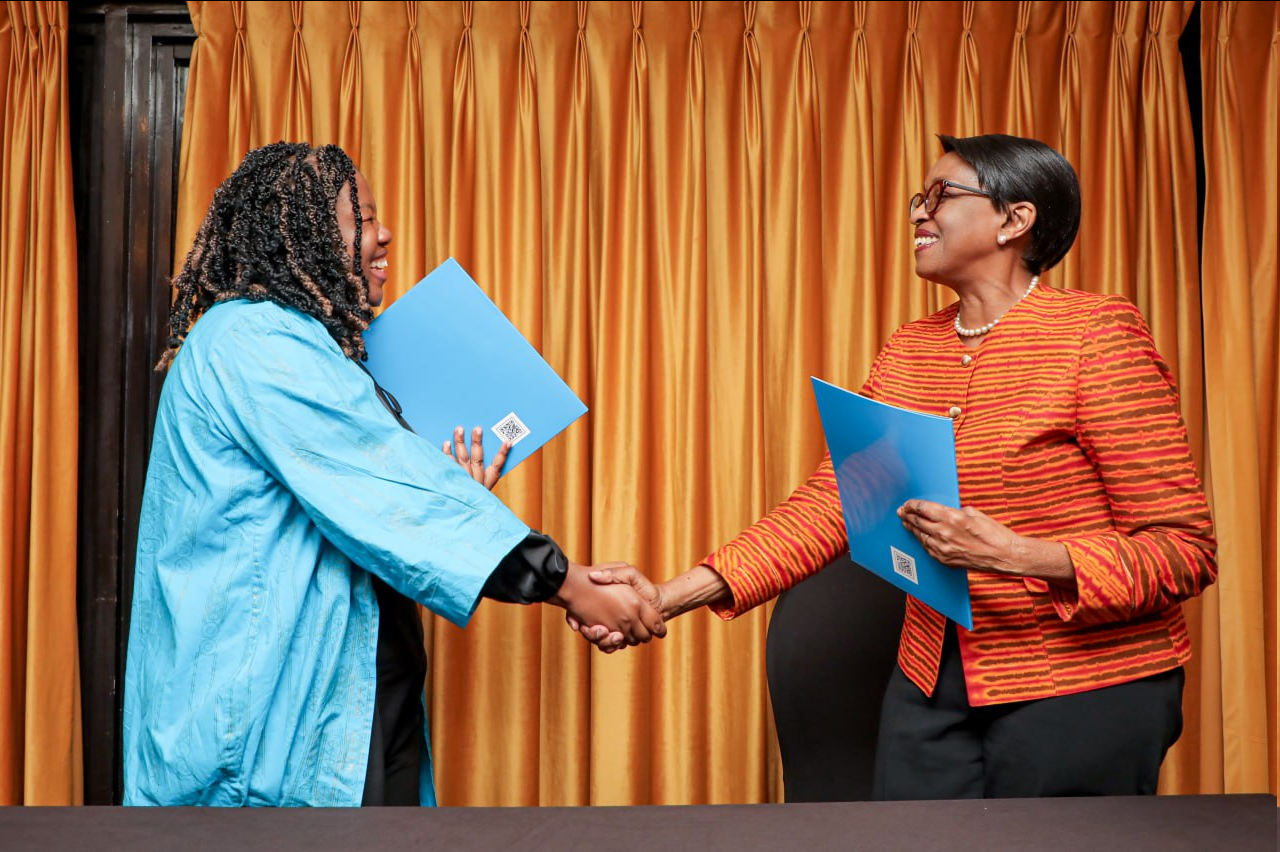
In a bold move to transform gender representation in health leadership across Africa, the World Health Organization (WHO) Regional Office for Africa has joined forces with WomenLift Health to propel women’s leadership in health. This partnership, formalized during a high-profile signing ceremony in Addis Ababa, aims to address systemic barriers to female leadership in the sector by equipping mid- and senior-level women health professionals with the skills, networks, and resilience required to lead effectively.
Despite women comprising the majority of the healthcare workforce globally, leadership positions remain male-dominated, particularly in Africa. WHO and WomenLift Health recognize that advancing gender equity in leadership isn’t merely a fairness issue; it’s essential for strengthening health systems and enhancing outcomes. Studies consistently show that diverse leadership teams yield improved health responses and outcomes by fostering inclusive, community-centered approaches. As such, this partnership represents a major step in reshaping health governance in Africa by empowering a cohort of capable, visionary women leaders to drive impactful change.
Scope and Goals of the Partnership
This partnership aims to build a resilient, diverse leadership pipeline by investing in women’s professional development. WomenLift Health, known for its dedication to systemic change for gender equity in health, envisions a transformative future where women lead with confidence and a deep sense of purpose. WHO Africa’s ongoing initiatives, such as the Africa Women Health Champions, the Pathways to Leadership, and Women in Leadership Masterclass, align seamlessly with WomenLift Health’s mission.
The three-day workshop held in Addis Ababa serves as the foundation for this partnership, offering women leaders mentorship, specialized training, and collaborative problem-solving sessions. These interactions help foster resilience and prepare women to navigate the region’s complex healthcare landscape. Workshop participants include over 30 mid- and senior-level professionals from across Africa, each equipped with tools to make decisive, inclusive contributions to health policy and operations.
Building Momentum for Sustainable Change
This agreement, spearheaded under WHO Africa’s Transformation Agenda, represents a landmark in gender equity efforts within WHO. Dr. Matshidiso Moeti, WHO Regional Director for Africa, underlined the critical role women leaders play in driving health progress across the continent. By building confidence, skills, and community among women leaders, the partnership is set to catalyze a lasting impact in African health.
WomenLift Health’s East Africa Director, Dr. Norah Obudho, reinforced the vision of establishing a resilient network of women leaders who can support one another and ensure representation in decision-making. Dr. Obudho emphasized that women’s involvement in these roles is crucial for cultivating transformative health systems that are more inclusive, effective, and resilient. The organization’s Southern Africa Director, Akhona Tshangela, echoed these sentiments, emphasizing the link between diverse leadership and stronger health systems in African communities.
The Road Ahead
Despite commendable progress, significant challenges remain. Barriers such as limited mentorship, systemic biases, and insufficient leadership training for women hinder gender parity in the health sector. WHO and WomenLift Health’s partnership addresses these gaps by providing women leaders with targeted resources and a platform to amplify their voices.
Looking ahead, this partnership is poised to be a model for similar collaborations across other WHO regions. The skills and insights cultivated through this initiative promise to uplift women leaders across Africa, empowering them to champion equitable, inclusive health policies and drive sustainable change. Through these efforts, WHO Africa and WomenLift Health are setting the groundwork for an empowered future where women are not only present but are leading African health innovations and transformations.