





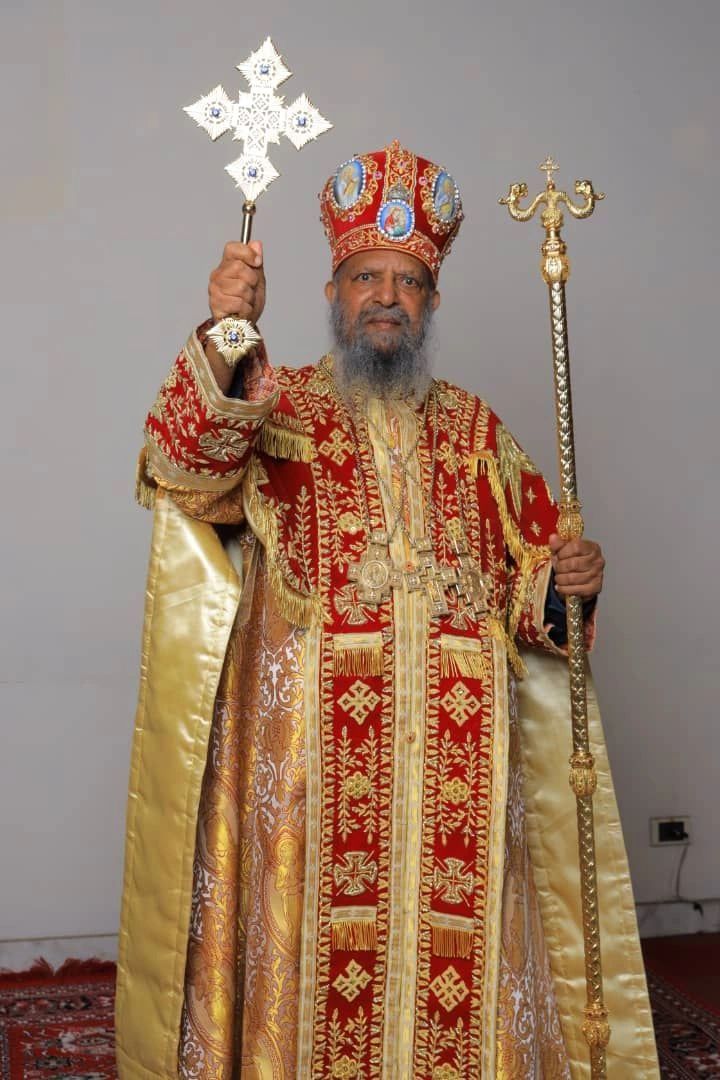
In a heartfelt and spiritually enriching message ahead of the year 2025, His Holiness Abba Mathias I, Patriarch of Ethiopia, Archbishop of Axum, and Echegue of the See of St. Tekle Haimanot, issued a pastoral letter to the faithful and the global community. The message serves as both a theological meditation on time and a reflection on the socio-political challenges faced by the world in 2024.
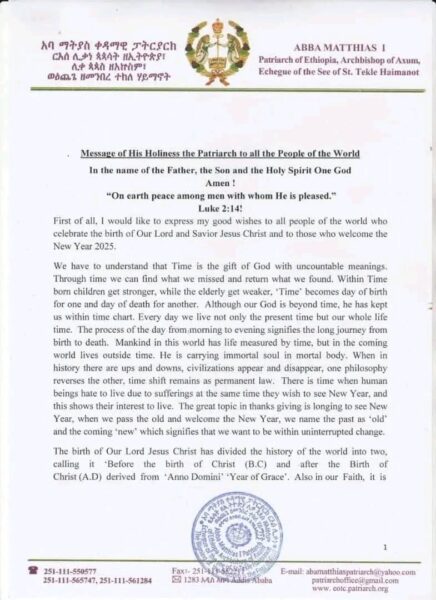
Abba Mathias emphasized the divine gift of time, urging people to reflect on its spiritual and practical dimensions. He highlighted the cycles of life—from birth to death—and how time serves as a constant reminder of the unchanging divine law. Drawing inspiration from Scripture (Luke 2:14), the Patriarch framed time as a sacred opportunity to seek peace and unity.
He discussed the bifurcation of history into “Before Christ” (B.C.) and “Anno Domini” (A.D.), elaborating on how Christ’s birth serves as the pivot of human history, encapsulating both suffering and grace. According to the Patriarch, the current era can be seen as “The Year of Mercy,” requiring humanity to cultivate forgiveness, defeat self-interest, and foster genuine peace.
Reflection on 2024: A Turbulent Year
The Patriarch reflected on the trials of the past year, particularly manmade conflicts and crises such as the ongoing Russia-Ukraine war and unrest in the Middle East. He decried the rising economic burdens faced by countries and the human suffering caused by endless strife. Individualism, described as a byproduct of modern civilization, was critiqued for perpetuating division and societal distress.
His Holiness lamented the futility of peace talks that fail to produce actionable solutions, calling for genuine, community-centered approaches to achieving global harmony.
Contextual Analysis
The Patriarch’s words resonate profoundly given Ethiopia’s role in promoting peace and reconciliation on the international stage. As a leader of one of the oldest Christian traditions in the world, Abba Mathias embodies a unique moral authority, which he uses to address not only religious audiences but also global leaders.
The theological framing of “suffering” and “forgiveness” in his message provides a lens to interpret ongoing geopolitical challenges, offering a hopeful yet realistic outlook.
Interview with His Holiness Abba Mathias I
Q: Your Holiness, in your message, you speak extensively about time as a divine gift. Why do you think this perspective is particularly important today?
A: Time is a sacred endowment from God. It is through time that we measure growth, atonement, and change. Especially in a fragmented world, reflecting on time can help humanity reconnect with divine principles and return to the virtues of compassion and unity.
Q: You mentioned forgiveness as central to achieving peace. How can individuals and nations put this into practice?
A: Forgiveness is the foundation of peace. For individuals, it means letting go of resentment and seeking reconciliation. For nations, it requires humility to admit wrongdoing and make amends. Without forgiveness, there can be no healing—only cycles of retaliation.
Q: Your message also touched on the failures of peace talks. What steps do you suggest global leaders take to bring about meaningful change?
A: Dialogue must be accompanied by genuine intent and empathy. Too often, negotiations are marred by political self-interest. Leaders must listen to the voices of those affected—the displaced, the hungry, and the marginalized. Only then can solutions be both practical and moral.
Conclusion
Abba Mathias’ New Year message is not only a spiritual call to action but also a profound critique of contemporary global issues. His appeal for peace, forgiveness, and moral accountability challenges both individuals and leaders to reevaluate their priorities as they enter 2025. With Ethiopia’s rich history and enduring spiritual leadership, the Patriarch’s message will undoubtedly inspire reflection and action worldwide.
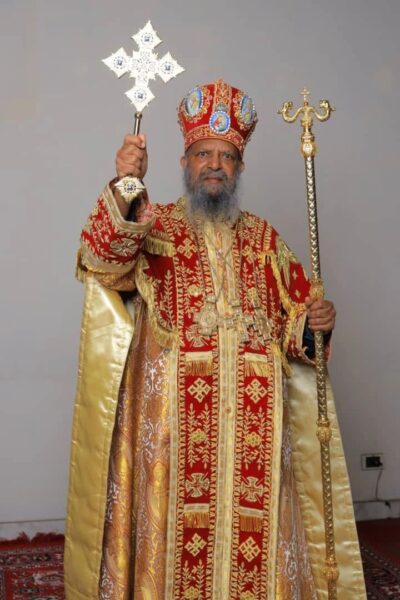
His Holiness Abba Mathias I
By Ayele Addis Ambelu (ayeleradio@gmail.com)








