






By Ayele Addis Ambelu (Africaunionmedia@gmail.com) +251918718307
A Looming Crisis in Biosecurity
Biosecurity remains one of Africa’s most pressing yet often overlooked security threats. As rapid advancements in biotechnology reshape the global landscape, Africa faces the dual challenge of harnessing scientific innovation for development while mitigating risks of biological threats, including bioterrorism, laboratory mishandling, and zoonotic disease outbreaks. With limited institutional capacity and weak regulatory frameworks, African nations remain vulnerable to biosecurity risks that could have devastating consequences for public health, economic stability, and national security.
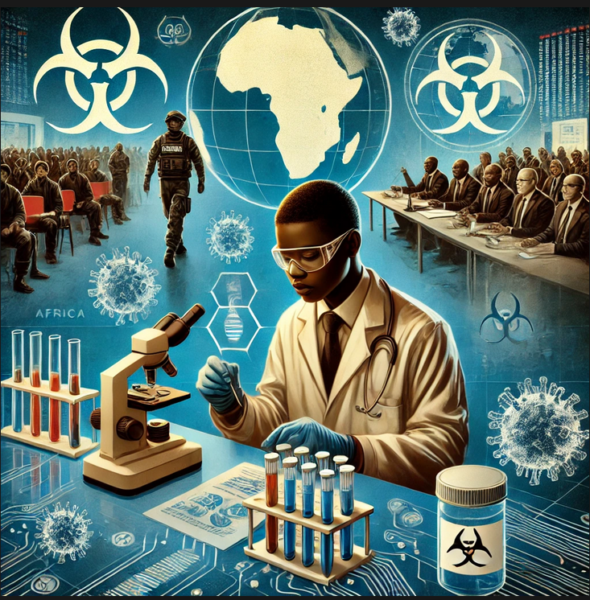
The Policy Gaps: Africa’s Biosecurity Weaknesses
Despite growing biosecurity concerns, Africa remains largely unprepared for biological threats. According to a 2023 African Union report on Biosecurity and Biodefense, more than 70% of African nations lack comprehensive biosecurity policies. Weak enforcement mechanisms, lack of biosafety regulations, and insufficient investment in laboratory security leave many countries vulnerable.
Dr. Joseph Ndemu, a biosafety policy expert at the African Centre for Disease Control (CDC), warns: “African governments have been slow to recognize the importance of biosecurity. Without robust frameworks, we risk biological threats—whether intentional or accidental—becoming unmanageable disasters.”
The COVID-19 pandemic exposed these vulnerabilities, demonstrating the dire need for stronger biosecurity regulations and regional cooperation to prevent and contain future biological threats.
Case Study: Nigeria’s Youth-Led Biosecurity Handbook
One of the most significant outcomes of the Youth for Biosecurity Initiative has been the Biosafety and Biosecurity Handbook for Students in Nigeria, developed by alumni from the 2021, 2022, and 2023 cohorts. This handbook, tailored for African institutions, is being integrated into Nigerian universities to raise awareness and train future scientists on biosafety protocols, responsible science, and biological threat mitigation.
Dr. Emmanuel Okafor, a biosecurity researcher and handbook co-author, emphasizes: “Education is the first step in strengthening Africa’s biosecurity. If we don’t train young scientists today, we will be unprepared for the biological challenges of tomorrow.”
Bridging Science and Diplomacy: The Role of Multilateral Engagement
One of the key objectives of the Youth for Biosecurity Initiative is bridging the gap between scientific research and diplomatic policy-making. Historically, African scientists have been underrepresented in global discussions on biosecurity. The initiative’s Biosecurity Fellowship, launched in 2023, has allowed young African biosecurity professionals to attend BWC meetings in Geneva, engage in multilateral dialogues, and contribute to global policy recommendations.
In 2024, African youth representatives presented a set of recommendations at the BWC Review Conference, emphasizing:
- The urgent need for national biosecurity legislation in all African Union member states.
- Increased funding for biosafety infrastructure and research.
- Regional cooperation to combat biological threats and illegal bio-weapons research.
“Africa’s biosecurity concerns must be taken seriously on the global stage. Youth engagement is essential in shaping policies that will define our continent’s future security,” says Dr. Maryam Said, a Tanzanian biosecurity fellow and molecular biologist.
Challenges and the Road Ahead
Despite these efforts, numerous challenges remain. African youth in biosecurity often face:
- Limited funding for biosecurity research and initiatives.
- Lack of government support for youth-led biosecurity programs.
- Barriers to international collaboration due to restrictive visa and travel policies.
However, initiatives like the Youth for Biosecurity Fellowship are beginning to break these barriers, providing opportunities for young African scientists to gain international exposure and contribute to policy discussions at the highest levels.
Securing Africa’s Biosecurity Future
Africa stands at a crossroads. It must decide whether to remain vulnerable to biological threats or proactively build robust biosecurity frameworks driven by youth leadership, scientific innovation, and international cooperation.
As biosecurity threats evolve, Africa’s response must be proactive, inclusive, and science-driven. If the global community truly believes in securing a bio-safe future, then investing in Africa’s youth is the most strategic move it can make.








