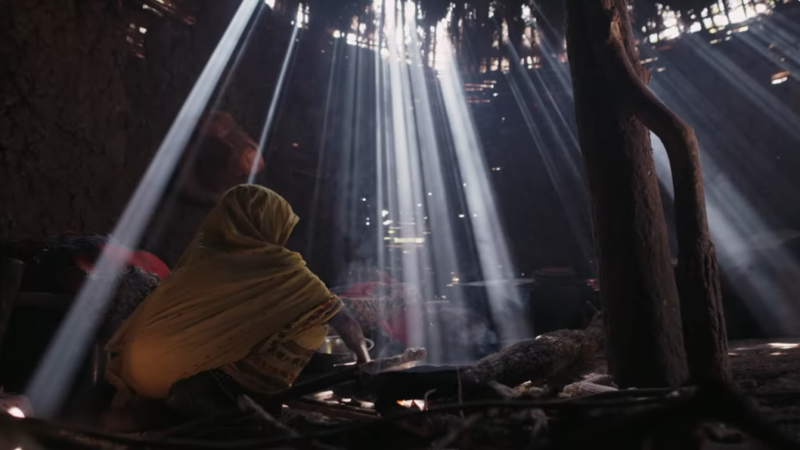
As World Water Day approaches, experts and activists call for urgent action to ensure universal access to safe and affordable water, highlighting its critical role in health, dignity, and survival.
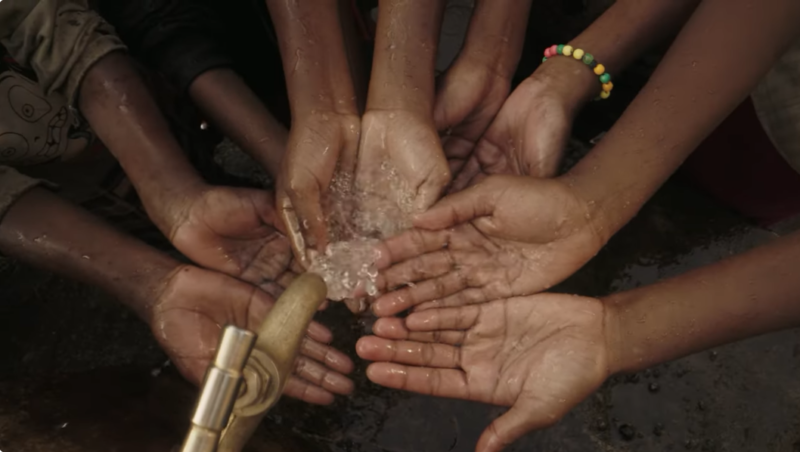
Addis Ababa, Ethiopia – March 2023 – Water, the most essential resource for life, is increasingly under threat as global populations grow, climate change intensifies, and pollution worsens. Recognized as a fundamental human right by the United Nations, access to clean and safe water remains a distant dream for millions worldwide. As World Water Day on March 22 approaches, experts and activists are amplifying their calls for governments to prioritize water security and ensure equitable access for all.
Water: A Human Right Under Threat
The right to water is enshrined in international human rights frameworks, including the Universal Declaration of Human Rights and the International Covenant on Economic, Social, and Cultural Rights. According to the UN, every individual has the right to sufficient, safe, acceptable, physically accessible, and affordable water for personal and domestic use. This includes drinking, sanitation, cooking, and hygiene. Yet, over 2 billion people globally still lack access to safely managed drinking water, and millions more face water scarcity due to mismanagement, overuse, and environmental degradation.
In Ethiopia, where water scarcity has been a persistent challenge, the government has taken steps to address the issue. The country’s constitution recognizes the right to water as part of its commitment to social services and equitable resource distribution. However, rural communities and marginalized groups continue to struggle with access to clean water, highlighting the gap between policy and practice.
World Water Day: A Call to Action
World Water Day, established by the UN General Assembly in 1993, is observed annually on March 22 to raise awareness about the importance of freshwater and advocate for sustainable water management. This year’s theme, “Accelerating Change,” emphasizes the need for collective action to address the global water crisis. From governments to individuals, stakeholders are urged to take concrete steps to protect water resources and ensure access for all.
“Water is not just a resource; it is a lifeline,” says Dr. Alemayehu Teklu, a water rights advocate in Addis Ababa. “Without water, there can be no health, no dignity, and no development. Governments must fulfill their obligations to protect this vital resource and ensure that no one is left behind.”
The Three Pillars of Water Rights
The UN Committee on Economic, Social, and Cultural Rights outlines three key components of the right to water: availability, quality, and accessibility.
- Availability: Each person must have access to a continuous and sufficient supply of water for personal and domestic use. The World Health Organization (WHO) recommends a minimum of 20 liters per person per day.
- Quality: Water must be safe and free from contaminants, including harmful microorganisms, chemicals, and radiation. It should also be acceptable in terms of color, odor, and taste.
- Accessibility: Water services must be physically accessible, affordable, and free from discrimination. This includes ensuring that water sources are within a reasonable distance and that costs do not exceed a household’s ability to pay.
Government Obligations
Under international law, governments have a duty to respect, protect, and fulfill the right to water. This includes:
- Respecting: Refraining from actions that deny or limit access to water, such as arbitrary service cuts or pollution.
- Protecting: Preventing third parties, including corporations, from infringing on water rights.
- Fulfilling: Taking proactive measures to ensure universal access to clean water, including investing in infrastructure, enacting supportive policies, and addressing inequalities.
In Ethiopia, the government has made strides in expanding water access, particularly in urban areas. However, challenges remain in rural regions, where infrastructure is often lacking, and communities rely on unsafe water sources. Activists argue that more must be done to bridge this gap and ensure that water rights are realized for all citizens.
A Global Crisis Demanding Local Solutions
The water crisis is not unique to Ethiopia. Across Africa, millions face water scarcity due to climate change, population growth, and inadequate infrastructure. The African Charter on Human and Peoples’ Rights explicitly recognizes the right to water as integral to the rights to life, health, and a healthy environment. In 2019, the African Commission on Human and Peoples’ Rights issued guidelines on water rights, urging governments to adopt rights-based approaches to water management and prioritize vulnerable communities.
As World Water Day approaches, the message is clear: water is a human right, not a privilege. Governments, organizations, and individuals must work together to safeguard this precious resource and ensure that everyone, everywhere, has access to clean and safe water. The survival of humanity depends on it.
Join the Movement:
This World Water Day, take action to protect water resources in your community. Advocate for policies that prioritize water security, reduce waste, and promote sustainable practices. Together, we can ensure that water remains a source of life, not conflict, for generations to come.