





By Ayele Addis Ambelu (Analysis) +251918718307 Africaunionmedia@gmail.com
I. Introduction Disarmament, Demobilization, and Reintegration (DDR) programs are essential mechanisms in post-conflict recovery, peacebuilding, and sustainable development. In Ethiopia, DDR initiatives have played a crucial role in transitioning former combatants into civilian life, ensuring national security, and fostering reconciliation. However, the country’s complex historical, political, and ethnic landscape presents unique challenges and opportunities for effective DDR implementation.
This paper explores Ethiopia’s DDR policies, strategic approaches, historical experiences, and best practices, drawing from primary and secondary sources, including government reports, research studies, and expert analysis. Furthermore, the discussion situates Ethiopia’s experience within the broader African context, comparing its DDR efforts with those of other nations on the continent.
II. Policy Focus on DDR in Ethiopia
A. National DDR Frameworks and Institutional Approaches
Ethiopia has developed several policies and institutional frameworks to address DDR, particularly following internal conflicts and the recent Tigray War. The Ethiopian National Rehabilitation Commission, established in response to post-conflict challenges, is at the forefront of reintegration strategies. The commission collaborates with international organizations, such as the United Nations Development Programme (UNDP) and the African Union (AU), to implement DDR programs aligned with global best practices.
Key policy considerations include:
- Security Sector Reform (SSR): Integrating former combatants into the national security apparatus or civilian workforce to prevent remilitarization.
- Psychosocial Support Programs: Providing mental health services and social reintegration measures for ex-combatants.
- Employment and Livelihood Initiatives: Facilitating vocational training and job creation to ensure economic stability.
- Community Reconciliation Programs: Engaging local communities to prevent stigmatization and ensure sustainable peace.
III. Strategic Approaches to DDR in Ethiopia
A. Implementation Strategies
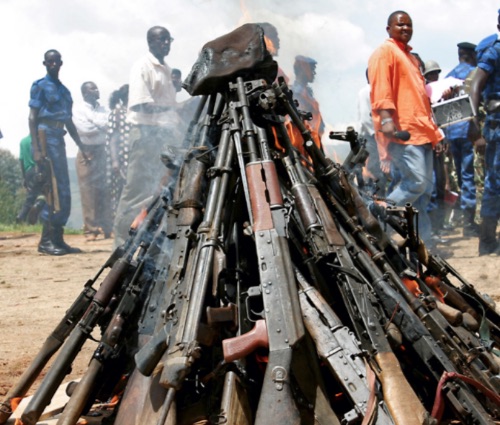
- Phased Disarmament and Secure Weapon Collection: Ethiopia has employed voluntary and compulsory disarmament strategies, with varying degrees of success. Ensuring arms collection mechanisms are inclusive and verifiable remains a challenge.
- Sustainable Reintegration Models: DDR programs emphasize local development projects, such as agriculture and entrepreneurship training, to prevent re-engagement in violence.
- Legal and Institutional Support: The Ethiopian government collaborates with international actors to ensure DDR frameworks align with human rights and transitional justice mechanisms.
B. Challenges and Shortcomings
- Political Resistance: Some political factions resist DDR initiatives due to concerns over power balance and security.
- Resource Constraints: Limited funding and logistical challenges hinder effective program implementation.
- Community Acceptance Issues: Reintegration efforts often face pushback from communities affected by conflict-related violence.
IV. Historical Experiences of DDR in Ethiopia and Africa
A. Case Studies in Ethiopia
1. The 1991 Transition and EPRDF-led DDR Efforts
Following the fall of the Derg regime in 1991, Ethiopia underwent significant DDR reforms. The Ethiopian People’s Revolutionary Democratic Front (EPRDF) led an ambitious demobilization process that integrated many former fighters into civilian roles and national institutions. However, exclusionary political policies led to long-term instability.
2. Post-1998 Eritrean-Ethiopian War DDR
The aftermath of the 1998–2000 war with Eritrea saw large-scale DDR initiatives. However, challenges such as border disputes and economic instability limited the success of reintegration efforts.
3. The 2020-2022 Tigray Conflict DDR Challenges
The recent civil conflict between Ethiopian federal forces and the Tigray People’s Liberation Front (TPLF) has created new DDR challenges. The reintegration of ex-combatants, particularly those from the Tigray region, requires innovative approaches to prevent renewed tensions.
B. Comparative DDR Experiences in Africa
Ethiopia’s DDR experiences can be compared with those of other African nations, such as:
- Sierra Leone (2000-2002): A successful DDR program with extensive international support.
- Democratic Republic of the Congo (2003-present): Struggles with ongoing militia activity and reintegration difficulties.
- South Sudan (2011-present): DDR efforts undermined by political instability and ethnic conflicts.
V. Expert Analysis and Research Findings
A. Insights from DDR Practitioners
Experts suggest that Ethiopia’s DDR programs need:
- Greater community-led reintegration efforts to reduce stigma.
- Holistic economic strategies to provide sustainable livelihoods.
- Enhanced government transparency and accountability in DDR initiatives.
B. Recommendations from Academic Research
- UN Reports on DDR in Ethiopia: Highlight the importance of comprehensive legal frameworks.
- African Union Policy Papers: Emphasize the role of regional cooperation in DDR efforts.
- Case Studies from Conflict Resolution Scholars: Advocate for increased local ownership of DDR processes.
VI. Conclusion and Way Forward Ethiopia’s DDR experience offers valuable lessons for peacebuilding efforts across Africa. While challenges remain, strategic policy reforms, adequate funding, and inclusive reintegration programs can enhance DDR’s effectiveness. Future DDR efforts in Ethiopia should prioritize a community-centered approach, ensuring that former combatants become productive members of society while promoting national stability and peace.
By drawing on international best practices and strengthening local partnerships, Ethiopia can establish a DDR model that serves as a benchmark for other conflict-affected nations in Africa.
References
- Ethiopian National Rehabilitation Commission Reports (2022-2024)
- United Nations DDR Guidelines (2021)
- African Union DDR Policy Framework (2020)
- Research Papers on Post-Conflict Transitions in Ethiopia (Various Scholars)
- SIPRI and Uppsala University Reports on Disarmament and Conflict Resolution
This paper serves as a comprehensive resource for policymakers, researchers, and practitioners involved in Ethiopia’s DDR processes and broader African peacebuilding efforts.








