



Analysis | Antimicrobial Resistance, Patient Safety and the Overlooked Workforce Behind Infection Prevention
BENGALURU / TIRUPATI, India — October 20, 2026
A hospital may have advanced surgical equipment, specialist doctors and access to powerful antibiotics, yet patients can remain vulnerable to life-threatening infections if basic hygiene and infection-control measures fail. As India marks World Clean Hospitals Day on October 20, healthcare professionals are calling for a stronger focus on hospital sanitation, environmental hygiene and the training of frontline cleaning workers amid growing concerns over antimicrobial resistance (AMR).
The urgency is underscored by a figure cited in a press release issued by the Pragathi Rural Development Trust: a study by the Indian Council of Medical Research (ICMR) reportedly found that 38% of intensive care unit (ICU) patients infected with drug-resistant pathogens died within 14 days.
The figure highlights the potentially devastating consequences of infections involving antimicrobial-resistant organisms. However, the precise study, patient population and research period behind the reported mortality rate should be verified against the original ICMR publication before the statistic is interpreted as nationally representative.
Beyond the mortality figure lies a broader challenge for India’s healthcare system: infection prevention cannot depend on doctors, nurses and antibiotics alone. The cleanliness of hospital surfaces, the quality of hand hygiene, the management of contaminated waste and the competence of environmental services workers are all critical components of patient safety.
The superbug threat: When treatment becomes more difficult
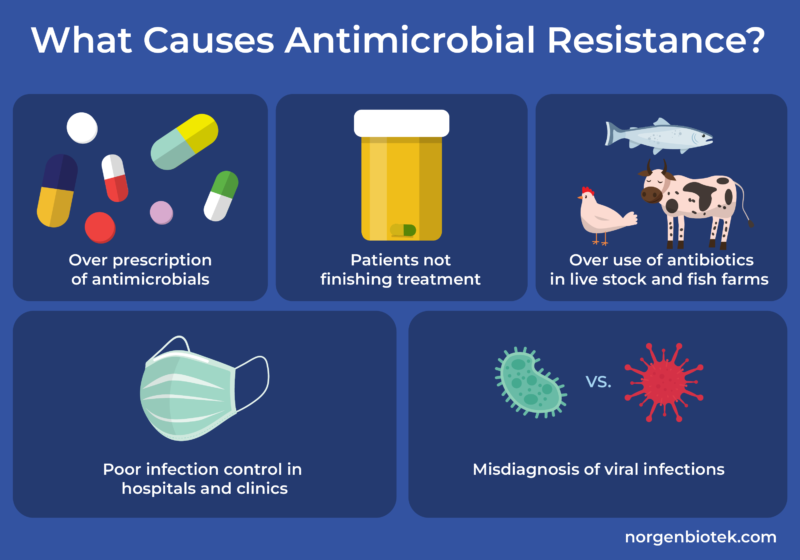
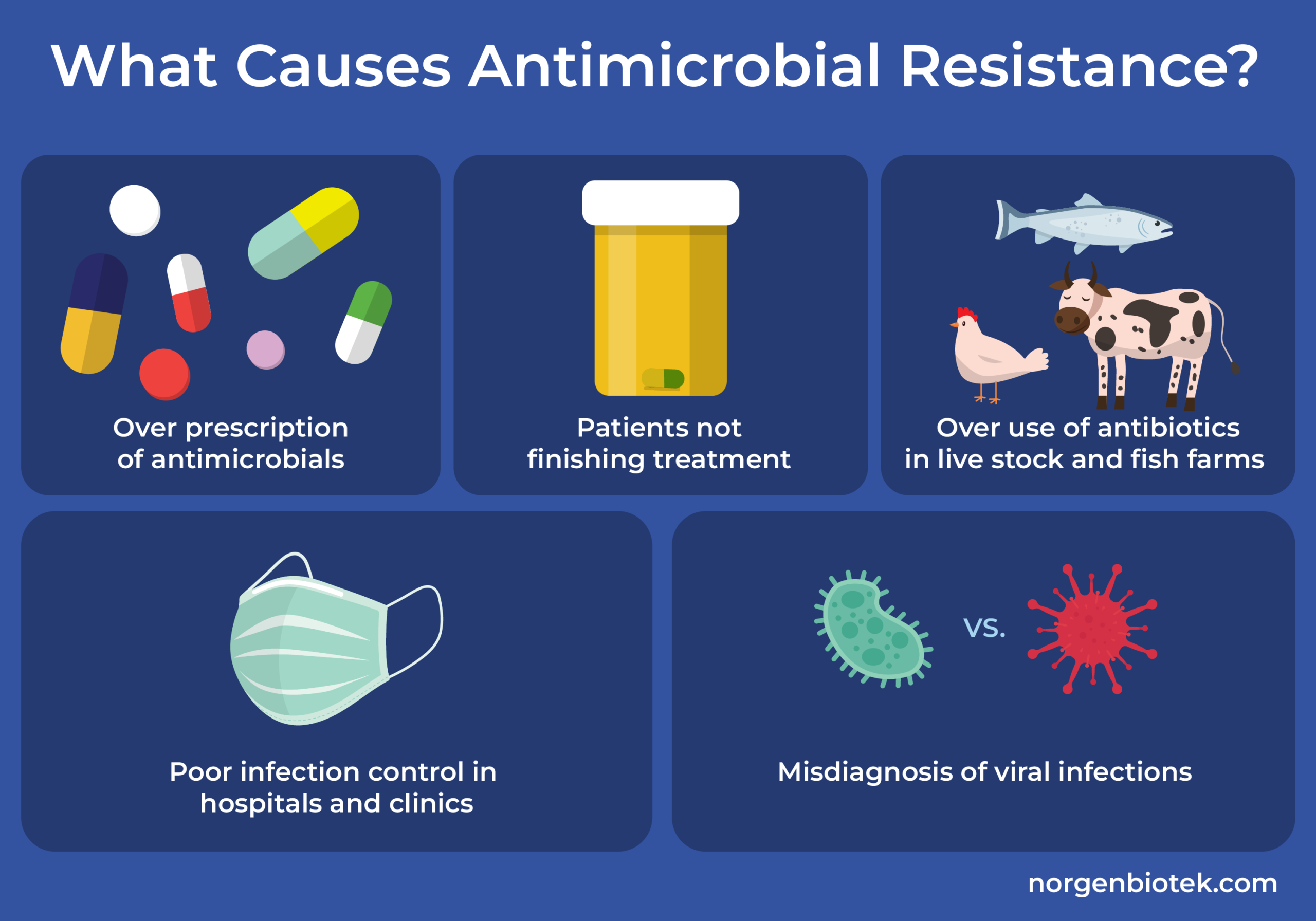
Antimicrobial resistance occurs when bacteria, viruses, fungi or parasites no longer respond effectively to medicines designed to treat them. In bacterial infections, resistance can make treatment more complicated, increase the risk of complications and prolong hospital stays.
Hospitals are particularly vulnerable because they bring together patients with weakened immune systems, invasive medical devices, surgical wounds and intensive treatment needs. Drug-resistant organisms can spread through contaminated hands, equipment and surfaces when appropriate infection-control measures are not consistently followed.
ICUs present especially difficult conditions. Patients may require ventilators, catheters and other invasive interventions, creating additional opportunities for healthcare-associated infections. When an infection involves a resistant organism, clinicians may have fewer effective treatment options.
Yet hospital-acquired infections are not inevitable. Effective hand hygiene, environmental cleaning, sterilization and disinfection, appropriate antibiotic use, surveillance and isolation precautions can help reduce transmission risks.
This makes hospital hygiene more than a question of appearance. It is a clinical safety function that must be integrated into everyday patient care.
Cleaning workers: The overlooked frontline of patient safety
The campaign associated with World Clean Hospitals Day, under the theme “Empowered Teams, Reduced Risk,” calls for environmental services personnel to be recognized as essential members of infection prevention and control teams.
These workers routinely clean patient rooms, high-touch surfaces, clinical equipment exteriors and other areas where pathogens may persist. Their effectiveness depends not only on individual effort but also on the availability of appropriate disinfectants, protective equipment, clear protocols, adequate staffing and practical training.
A surface that looks clean is not necessarily free of harmful microorganisms. Effective cleaning requires the correct product, appropriate dilution where applicable, sufficient contact time and methods suited to the surface and the pathogen involved.
Training gaps, excessive workloads, inadequate supplies and unclear responsibilities can undermine these practices. Treating environmental hygiene as an unskilled or low-priority task may therefore weaken a hospital’s broader infection-control system.
The policy implication is clear: healthcare facilities should integrate cleaning personnel into infection prevention planning, provide regular competency-based training and create channels through which workers can report contamination risks without fear of being ignored or penalized.
Advanced hospitals face the same fundamental challenge
At BRAINS Super Specialty Hospital in Bengaluru, neurosurgeon and founder chairman Dr. N. K. Venkataramana argues that maintaining a controlled clinical environment is essential to protecting patients undergoing complex neurological procedures.
“In neurological surgery, the margin for error is non-existent,” Venkataramana said in the organization’s press release, emphasizing the importance of a rigorously maintained environment and specialized training for hygiene teams.
The concern extends to intensive and critical care. Dr. Pavithra V., chief consultant in neuroanaesthesia and neuro-critical care at the hospital, highlighted the importance of air and surface quality, hand hygiene and appropriate disinfection in reducing opportunities for cross-contamination.
These perspectives illustrate a central principle of infection prevention: advanced medical treatment and environmental hygiene must operate together. Even the most sophisticated clinical intervention cannot eliminate every risk created by failures in basic infection-control procedures.
However, hygiene should not be understood as a substitute for appropriate medical treatment, antimicrobial stewardship or clinical surveillance. Reducing resistant infections requires a coordinated approach that combines prevention, timely diagnosis, effective treatment and responsible antibiotic use.
The rural healthcare gap
The challenge becomes more complex when infection-control standards must be maintained in rural and resource-constrained healthcare facilities.
Dr. R. Nagaraja Naidu, chairman of Pragathi Rural Development Trust in Krishnapuram, Tirupati district, Andhra Pradesh, has called for standardized hygiene education, practical training and stronger biomedical waste-management systems in community healthcare settings.
“Maintaining robust hygiene standards in rural districts is our first line of defense against infectious outbreaks,” Naidu said in the press release, stressing the need to equip frontline workers with technical skills, appropriate tools and continuous training.
The rural dimension is important because infection prevention requires more than issuing national guidelines. Facilities must have the resources, supervision and infrastructure needed to implement them consistently.
Reliable water supplies, functioning sanitation facilities, adequate cleaning materials, appropriate waste segregation and safe disposal systems are fundamental requirements. Where these are lacking, workers may be unable to meet hygiene standards even when they understand the correct procedures.
A credible national response must therefore address both human capacity and structural constraints. Training cannot compensate for a shortage of disinfectants, unreliable water supplies or inadequate waste-disposal infrastructure.
Nor should rural healthcare facilities be treated as a single category. Their needs differ according to staffing, patient volumes, available services and local infrastructure. Effective interventions must be adapted to those conditions while maintaining clear minimum standards.
Three reforms that could strengthen hospital infection control
The call for reform can be translated into three practical priorities.
First, professionalize environmental hygiene. Hospitals should establish standardized training and competency assessments covering cleaning procedures, disinfectant contact times, personal protective equipment, pathogen transmission and safe handling of contaminated materials. Refresher training should be accompanied by direct supervision and adequate supplies.
Second, include cleaning teams in infection-control decisions. Environmental services workers should participate in relevant safety briefings and audits, understand the risks associated with different clinical areas and be encouraged to report unsafe conditions. Their observations can help identify recurring problems that may otherwise go unnoticed.
Third, strengthen monitoring and accountability. Healthcare facilities should track healthcare-associated infections, assess compliance with hand hygiene and cleaning protocols, review biomedical waste practices and respond to identified deficiencies. Where appropriate, environmental monitoring should complement—not replace—established infection-control surveillance and clinical assessments.
These interventions should be linked to wider antimicrobial-resistance strategies, including antibiotic stewardship, laboratory capacity, infection surveillance and timely treatment.
Policymakers and hospital administrators should also measure whether interventions produce tangible improvements rather than counting training sessions alone. Useful indicators include cleaning-protocol compliance, availability of essential supplies, staff competency, waste-management performance and trends in healthcare-associated infections.
From awareness to measurable action
World Clean Hospitals Day offers an opportunity to draw attention to the people and systems that make safe healthcare possible. But an annual awareness campaign will have limited impact unless its message translates into sustained investment, institutional accountability and measurable improvements.
Hospitals need clear responsibilities for infection prevention, adequate budgets for environmental services and reliable mechanisms for assessing performance. Workers need professional recognition, safe working conditions and the resources to carry out their duties effectively.
Equally important, mortality statistics must be interpreted carefully. The reported 38% figure is a serious warning in the press release, but it should not be presented as proof that poor cleaning caused those deaths. Establishing the causes of mortality requires clinical evidence, including information about underlying illness, infection severity, resistant organisms and treatment outcomes.
The larger argument remains compelling: preventing healthcare-associated infections is a shared responsibility. Antibiotics cannot compensate for every failure in prevention, and sophisticated medical equipment cannot replace consistent hygiene practices.
As India observes World Clean Hospitals Day on October 20, the challenge is to move beyond symbolic commitments and build infection-control systems that work in operating theatres, intensive care units, district hospitals and rural clinics alike.
The ultimate test of hospital hygiene is not whether a facility looks clean, but whether its systems consistently protect patients from preventable harm.
Editorial note: This analysis is based on a press release issued by Pragathi Rural Development Trust on October 18, 2026. The reported ICMR mortality statistic and the campaign’s official designation should be independently verified before publication.
Campaign resource: World Clean Hospitals Day promotional toolkit
Institutional sources: BRAINS Super Specialty Hospital | Pragathi Rural Development Trust