





Africa at a Crossroads: UN Report Reveals Key Challenges and Opportunities for Sustainable Development in 2025
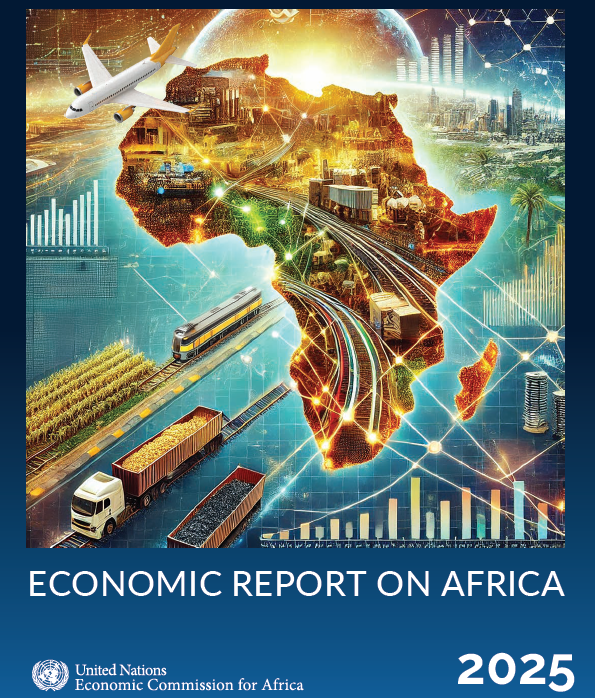
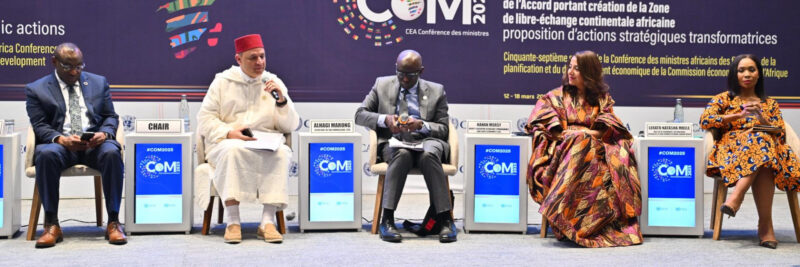
Kampala, Uganda – As the Eleventh Session of the Africa Regional Forum on Sustainable Development (ARFSD-11) approaches, a newly released United Nations Economic Commission for Africa (UNECA) report provides a critical assessment of the continent’s progress toward the 2030 Agenda and Agenda 2063. The report, titled “Economic Report on Africa 2025,” highlights key achievements, persistent challenges, and urgent policy recommendations.
Key Findings: A Mixed Picture of Progress and Challenges
The report reveals that Africa has made strides in economic growth and social development but still faces significant hurdles. Among the most pressing issues are:
- Slower-than-expected economic growth: Despite a post-pandemic recovery, GDP growth in many African nations remains below pre-2020 levels, exacerbated by geopolitical uncertainties and climate-related disruptions.
- High unemployment rates: Youth unemployment continues to be a ticking time bomb, with millions of young Africans struggling to find meaningful employment opportunities.
- Climate change threats: Extreme weather events, desertification, and rising sea levels are disproportionately affecting African nations, threatening food security and livelihoods.
- Healthcare and education gaps: While progress has been made, many African nations still lag in providing universal healthcare and quality education, particularly for marginalized communities.
Sectoral Analysis and Expert Views
1. Economic Growth and Job Creation
According to Dr. Amina Yusuf, an economist specializing in African development, “Africa’s economic growth needs to be driven by industrialization, innovation, and regional trade integration. The African Continental Free Trade Area (AfCFTA) is a game-changer, but its full potential is yet to be realized.”
2. Gender Equality and Social Inclusion
Despite policy efforts, gender inequality remains a major concern. Dr. Mary Kalu, a gender policy expert, states, “Women and girls continue to face barriers in education, healthcare, and employment. Sustainable development will only be possible if gender equity is prioritized.”
3. Climate Resilience and Environmental Sustainability
The report underscores the urgent need for climate adaptation measures. Experts warn that without immediate intervention, Africa could see a 10% decline in agricultural yields by 2050. “Investing in climate-smart agriculture and renewable energy is no longer an option but a necessity,” says environmental scientist Dr. Paul Njoroge.
Recommendations and the Way Forward
The UNECA report outlines several policy recommendations to accelerate progress:
- Scaling up investments in sustainable industries: Encouraging green energy projects and technological innovation.
- Enhancing regional cooperation: Strengthening intra-Africa trade and economic partnerships.
- Empowering youth and women: Providing targeted education and employment opportunities.
- Implementing climate-smart policies: Developing robust national policies to combat climate change and ensure resilience.
Conclusion
As Africa stands at a crossroads, the findings of the Economic Report on Africa 2025 serve as both a wake-up call and a roadmap for policymakers. The upcoming ARFSD-11 will be a crucial platform to address these challenges and forge actionable solutions. With bold policies and a united vision, Africa can chart a path toward a more sustainable and prosperous future.
Report By Ayele Addis Ambelu (Africaunionmedia@gmail.com)








