





By Africa News Channel | News Analysis
On September 10, 2018, a pivotal workshop titled “Factors that affect the prevention and control of corruption in government institutions in the Amhara National Region” convened in Bahir Dar, unmasking a crisis that continues to cripple Ethiopia’s governance and economy. Organized by the Ethics and Anti-Corruption Commission of the Amhara National Region in collaboration with the State University, the gathering drew officials, researchers, civic representatives, and watchdogs into an urgent conversation: why has corruption become so entrenched, and what will it take to uproot it?
A Grim Diagnosis from the Commission
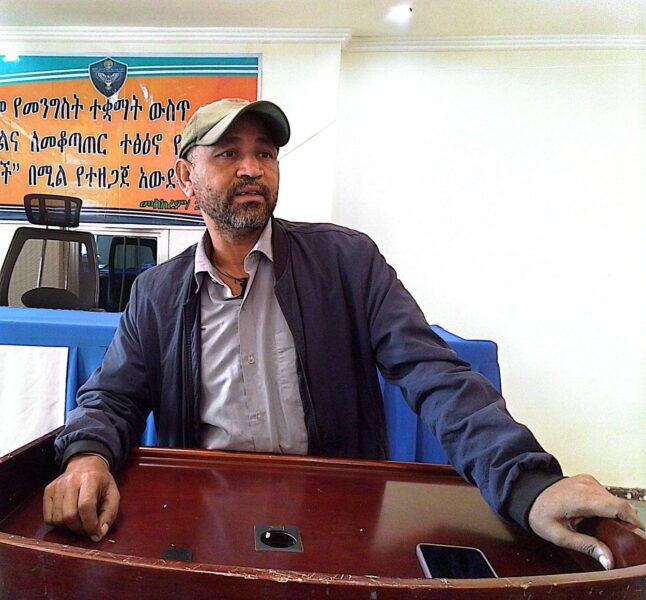
Opening the workshop, Deputy Commissioner Ato Maru Chekol minced no words:
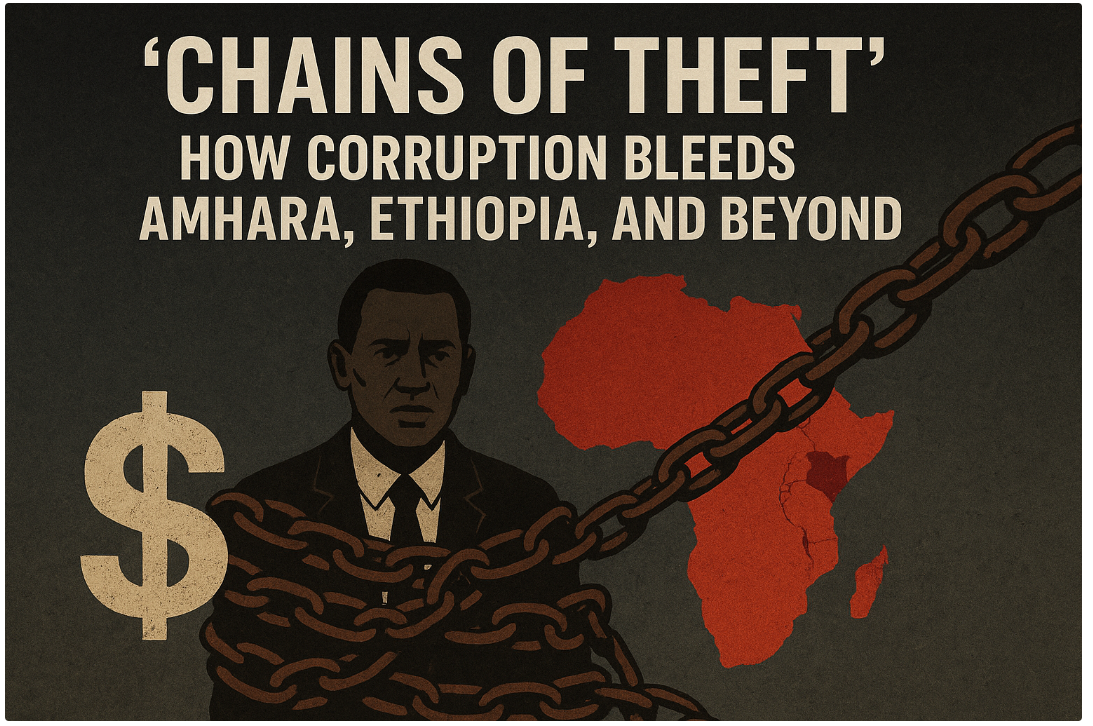
“Currently, multi-faceted chains of theft are being spread in our region and terrible exploitation is being carried out on our people.”
He admitted the commission’s institutional weaknesses—a lack of binding legal frameworks, fragile organizational structure, and limited enforcement tools—have paralyzed anti-graft campaigns. Despite years of effort, systemic corruption remains rampant, siphoning away public resources and deepening poverty.
Academia Steps In
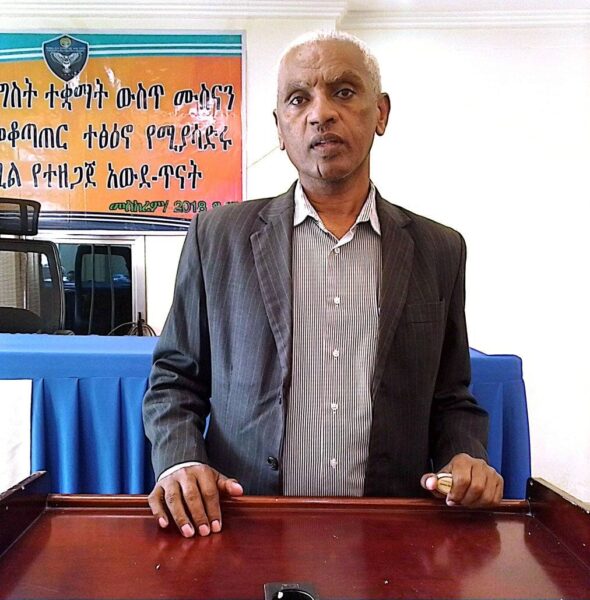
Dr. Chuchu Alebechew, Vice President of the State University, praised the Commission’s recognition that corruption is not just a moral failing but a national security and development crisis. He emphasized the research partnership as a step toward “addressing specific problems with reliable and evidence-based solutions.”
Supporting this, Dr. Haile Dereje, a lead researcher, presented findings that mapped corruption’s drivers: weak enforcement, institutional capture, limited transparency, and social normalization of bribery. His analysis stressed that unless independent structures are built and legal accountability mechanisms are enforced, corruption will continue to suffocate governance.
The Hidden Economic Toll
Corruption is not an abstract crime—it has measurable costs. Studies estimate Ethiopia loses US$2–5 billion annually to illicit financial flows and graft, cutting GDP growth by 2.2% each year. With Amhara contributing 22% of Ethiopia’s GDP, the region alone may be hemorrhaging US$1.6–3.3 billion annually due to corruption-driven inefficiencies, tax evasion, and procurement fraud.
Even more staggering, conflict-related economic damage in Amhara—exacerbated by corruption and mismanagement—has cost hundreds of billions of birr in lost agricultural output, collapsed industries, and ruined infrastructure.
Participants’ Demands
Workshop participants, ranging from ethics officers to civil society actors, insisted that anti-corruption cannot be cosmetic. Their recommendations included:
- Expanding the Commission’s independence to shield it from political interference.
- Strengthening legal frameworks to prosecute theft with consistency.
- Boosting transparency and accountability across procurement, land administration, and tax collection.
- Partnerships with schools and religious institutions to fight the cultural normalization of corruption.
- Capacity-building through training and awareness campaigns to shift attitudes at the grassroots.
They warned that unless corruption is uprooted, Amhara’s developmental aspirations—already battered by conflict—risk permanent derailment.
Beyond the Workshop: A Regional and National Alarm
The Amhara forum is not an isolated cry. Ethiopia’s Federal Ethics and Anti-Corruption Commission has faced similar institutional handicaps for decades, often accused of being toothless against politically protected elites. Unless Amhara pioneers bold reform, the cycle of theft, poverty, and instability will deepen.
Corruption is more than stolen money; it is stolen schools, stolen clinics, stolen jobs. It bleeds Ethiopia’s future.
As Ato Maru warned, the region is ensnared in “multi-faceted chains of theft.” Breaking those chains will require not only stronger laws and institutions, but also a cultural revolution where corruption is no longer tolerated as normal life.
Corruption is not only an Amhara problem, nor even just an Ethiopian one—it is a global scourge. The World Bank estimates that more than US$1 trillion is paid in bribes worldwide every year, while the United Nations calculates that corruption drains at least five percent of global GDP annually. This means trillions of dollars are diverted from development to private pockets, fueling inequality and distrust in institutions. From Europe’s tax havens to Asia’s opaque procurement schemes, corruption is the hidden engine of global injustice.
Africa, often called the world’s richest continent in resources yet among the poorest in development, carries a disproportionate burden. The African Union reports that the continent loses more than US$148 billion annually to corruption, roughly a quarter of Africa’s total GDP. These losses manifest in oil revenues disappearing from Nigeria’s public coffers, procurement fraud undermining Kenya’s infrastructure programs, and state capture scandals hollowing out South Africa’s institutions. In all cases, public money intended for schools, hospitals, and social services vanishes into offshore accounts or is used to sustain political patronage networks.
Ethiopia is no exception. Transparency International’s Corruption Perceptions Index consistently ranks the country in the lower half of global standings, highlighting widespread public mistrust in institutions. A landmark Global Financial Integrity report revealed that Ethiopia lost US$11.7 billion through illicit financial flows between 2000 and 2009, much of it linked to corruption and tax evasion. More recent estimates suggest the country continues to lose between US$2 billion and US$5 billion every year, equivalent to 2–3 percent of annual GDP growth. In real terms, this is money that could fund thousands of schools, modernize hospitals, or invest in agriculture—but instead vanishes through embezzlement, procurement fraud, and hidden capital flight.
The structure of corruption in Ethiopia is both deep and wide. It operates at the level of petty corruption, where farmers must pay bribes to secure land certificates or citizens pay extra to receive basic services. It also stretches into grand corruption, where large-scale contracts are awarded to cronies through opaque bidding, and state funds are siphoned away. Experts categorize these as systemic corruption, where the abuse of office is no longer the exception but the norm. The United Nations Development Programme (UNDP) and Transparency International have repeatedly warned that unless Ethiopia strengthens rule of law and transparency, corruption will continue to suffocate both governance and development.
Zooming back into the Amhara region, the research presented at the Bahir Dar workshop shed light on specific regional drivers of corruption. As Deputy Commissioner Ato Maru Chekol admitted, the Ethics and Anti-Corruption Commission of the Amhara National Region is crippled by weak legal frameworks, fragile structures, and limited enforcement powers. This has left the institution unable to meet its mandate despite years of effort. Dr. Chuchu Alebechew of the State University described the research collaboration as a necessary step toward addressing what he called a “national problem of corruption,” while Dr. Haile Dereje outlined the systemic weaknesses identified: lack of transparency in procurement and taxation, poor coordination between oversight bodies, inadequate training, and a culture that normalizes bribery.
Workshop participants, including civil society and government representatives, did not hold back. They stressed that corruption in Amhara cannot be uprooted without independent anti-corruption institutions, legal frameworks that punish offenders without political interference, and stronger partnerships with schools and religious institutions to fight the normalization of graft. Many also pointed to the urgent need for training, awareness campaigns, and transparency in budgetary and procurement processes. Their message was clear: corruption is not only about stolen money, but about stolen futures.
The economic implications for Amhara are staggering. With the region contributing nearly 22 percent of Ethiopia’s GDP, experts estimate that corruption costs Amhara alone between US$1.6 billion and US$3.3 billion annually in lost revenues, inefficiencies, and foregone investment. This figure does not even account for the hundreds of billions of birr lost in agriculture and infrastructure due to conflict, where corruption in procurement and mismanagement worsened the devastation.
The Bahir Dar workshop was more than a technical meeting—it was a wake-up call. Corruption, described vividly by Ato Maru as “multi-faceted chains of theft,” is draining the lifeblood of Amhara and Ethiopia. Unless those chains are broken through stronger institutions, accountability, and cultural change, Ethiopia’s dream of sustainable development will remain a dream deferred—stolen not by foreign invaders, but by insiders feeding on the state itself.
Corruption’s Global Web: From Petty Bribes to Billion-Dollar Heists
Corruption is not Ethiopia’s curse alone—it is a global epidemic. According to the World Bank, over US$1 trillion is paid in bribes every year, while the UN estimates that corruption siphons off at least 5% of global GDP annually. From offshore tax havens to shadowy procurement deals, corruption erodes trust, distorts markets, and cripples public institutions. It is the invisible tax that citizens pay every time they are denied a fair service, every time a school is left without books, or a hospital without medicine.
Africa’s Double Burden: Resource Wealth, Resource Theft
Africa, paradoxically rich in natural resources yet plagued by underdevelopment, loses staggering sums to corruption. The African Union estimates that Africa loses over US$148 billion annually to corruption, roughly 25% of the continent’s GDP. This hemorrhage manifests in illicit financial flows, state capture, and embezzlement of funds meant for schools, hospitals, and infrastructure. In Nigeria, oil revenues vanish into offshore accounts; in South Africa, “state capture” scandals have gutted institutions; in Kenya, procurement fraud drains billions.
Ethiopia’s Corruption Crisis: Chains That Bind Development
Ethiopia is no stranger to this plague. Transparency International’s Corruption Perceptions Index (CPI) has consistently ranked Ethiopia in the lower half globally, signaling widespread institutional rot. A Global Financial Integrity study estimates that Ethiopia lost US$11.7 billion to illicit financial flows between 2000–2009, and current estimates suggest losses of US$2–5 billion annually—roughly 2–3% of GDP every year. These losses dwarf foreign aid inflows and choke the nation’s ability to deliver basic services.
In practical terms, this means fewer schools, underfunded health systems, stalled infrastructure, and a vicious cycle of poverty. Worse, corruption in Ethiopia is deeply structural—embedded in land administration, taxation, judiciary, procurement, and even aid distribution.
Forms and Structures of Corruption
Corruption manifests in many forms:
- Petty corruption: Everyday bribes for licenses, services, or avoiding penalties.
- Grand corruption: High-level embezzlement of state resources, often linked to elites and political figures.
- Systemic corruption: A situation where corruption is the rule rather than the exception, embedded in state structures.
- Political corruption: Manipulation of laws, elections, or policies for personal or party gain.
- Bureaucratic corruption: Bribes and favoritism within government offices.
In Ethiopia—and Amhara in particular—corruption often straddles both petty and systemic levels: farmers must pay to secure land titles, businesses pay to bypass bureaucracy, and massive public contracts are diverted to cronies through opaque bidding.
📖 Source: Transparency International, “Understanding Corruption” (2021); UNDP Governance Reports.
Amhara’s Unique Factors: Research Findings
The Bahir Dar workshop did not just lament the problem—it identified specific regional factors fueling corruption:
- Weak Legal Frameworks: The Commission lacks a strong legal backbone, leaving loopholes that allow thieves to escape accountability.
- Fragile Institutional Structures: The anti-corruption body itself is underfunded, understaffed, and politically vulnerable.
- Lack of Transparency: Government procurement and service delivery processes are opaque, creating fertile ground for bribery.
- Poor Coordination: Weak ties between the Commission, law enforcement, and courts mean cases stall or collapse.
- Cultural Acceptance: Many citizens see corruption as “normal” or inevitable, discouraging reporting or resistance.
- Inadequate Awareness and Training: Officials and citizens alike lack education on anti-corruption laws and rights.
- Disconnect from Civil and Religious Institutions: Moral and civic actors who could promote integrity are sidelined.
Participants emphasized that unless Amhara establishes an independent anti-corruption structure, backed by law, transparency, and civic partnerships, the region will remain entangled in “multi-faceted chains of theft.”
The Verdict: Corruption as Ethiopia’s Silent War
Corruption is Ethiopia’s silent war. Unlike visible conflicts that raze buildings, corruption invisibly erodes institutions, siphons resources, and dismantles trust. In Amhara, the losses are both quantifiable in billions and immeasurable in dignity stolen from citizens.
Breaking these “chains of theft” requires nothing less than a cultural revolution of integrity, institutional independence, and relentless enforcement. Otherwise, Ethiopia’s development will remain a dream deferred, stolen not by outsiders, but by insiders feeding on the state itself.
Ayele Addis : Reports: Ethiopia: africaunionmedia@gmail.com
contact: Ceo@africanewschannel.org








