By Ayele Addis Ambelu
Director General, Africa CDC, H.E. Dr. Jean Kaseya said:
‘This breakthrough brings Africa closer to eliminating sleeping sickness and reflects the growing strength of African scientific leadership. The next step is to ensure innovation translates into sustainable access for the communities most at risk. Africa CDC supports efforts to explore producing treatments like acoziborole in Africa—advancing pharmaceutical manufacturing, strengthening supply resilience, and reinforcing Africa’s health security, consistent with Africa CDC’s drive to expand local production capacity across the continent.’
UK Minister for Development, Jenny Chapman said:
‘Sleeping sickness is a neglected disease which affects some of the poorest communities in rural Africa. It invades the central nervous system and is almost always fatal without treatment. Not so long ago, the only treatment for sleeping sickness was a toxic injection with grim side-effects, so the development of a single-dose oral treatment is a historic milestone for combatting the disease. The UK’s partnership with the Drugs for Neglected Diseases Initiative has helped deliver this breakthrough, bringing the world one step closer to eliminating sleeping sickness by 2030. We will continue backing world-class scientists, because research like this saves lives around the world.’The registration follows successful clinical trials conducted in the DRC and Guinea and paves the way for use across all African countries where the most common form of the disease, caused by gambiense human African trypanosomiasis, is endemic. The medicine will be available free of charge to patients.
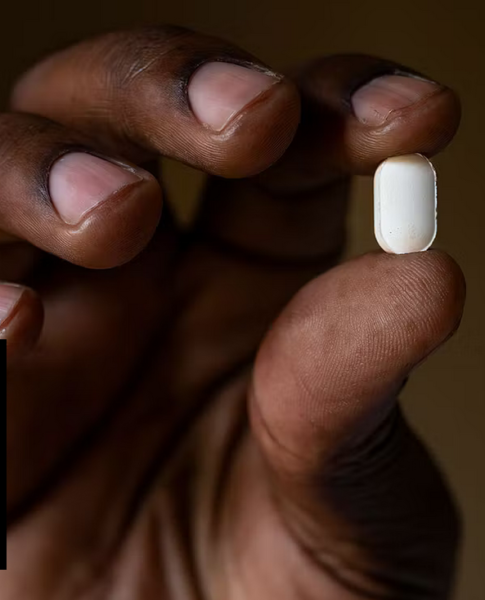
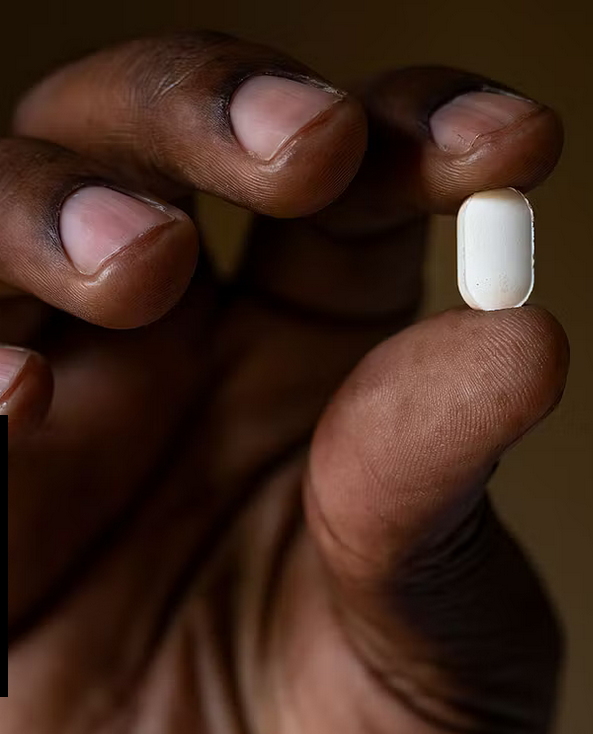
KINSHASA – 12 June 2026 – The Democratic Republic of the Congo (DRC) has approved the use of Acoziborole Winthrop (acoziborole) as a single-dose oral treatment for both early- and advanced-stage gambiense sleeping sickness in adults and adolescents 12 years and older weighing at least 40 kilograms.
The decision follows Phase II/III clinical trials conducted in the DRC and in Guinea by the medical research non-profit organization Drugs for Neglected Diseases initiative (DNDi), in partnership with the DRC and Guinea’s national sleeping sickness control programmes. The studies demonstrated that acoziborole is safe and has a cure rate of up to 96 per cent across both stages of the disease.
Acoziborole was co-developed by DNDi and the pharmaceutical company Sanofi. It will be available free of charge to patients.
In 2024, the DRC reported 330 cases of sleeping sickness, accounting for more than half of all cases reported across Africa that year—a steep decline from the late 1990s. In 1998, nearly 40,000 cases of gambiense sleeping sickness were reported on the continent, with an estimated 300,000 undiagnosed.
The DRC has been at the forefront of clinical research and registration of several new treatments against the disease. The latest, acoziborole, will be a crucial tool in reaching the final mile to sustainably eliminate a disease that has killed millions of Africans over the past century.
‘The registration of acoziborole in the DRC is fantastic news for patients. The drug represents a major advance over existing treatments: it does not require hospitalization, is well tolerated, and can be administered immediately after diagnosis. This will allow us to reach the most remote endemic areas. With this new tool, we can realistically aim at eliminating the disease in the coming years,’ said Dr Erick Miaka, Director of the DRC’s national sleeping sickness control programme.
Existing treatments require either a 10-day course of oral medicine or, for patients in the most advanced stage of the disease, a combination of injection and oral therapy that requires several days of hospitalization.
In February 2026, acoziborole received a positive opinion from the European Medicines Agency through the EU-M4all procedure, providing a strong endorsement that the medicine meets high quality standards. Following registration in the DRC, the approval is expected to enable other sleeping sickness-endemic countries in Central and West Africa, including Guinea, to authorize importation and accelerate access to the new medicine.
Acoziborole Winthrop, developed by DNDi and Sanofi, receives European Medicines Agency positive opinion as three-tablet, single-dose treatment for most common form of sleeping sickness.
- Recommendation based on Phase II/III study demonstrating up to 96 per cent success rates at 18 months across both early and advanced stages of T.b. gambiense, the most common form of sleeping sickness
- The therapy, given as a single dose of three tablets, could offer a simpler alternative to longer, more complex regimens and help support the World Health Organization’s (WHO) goal of eliminating the disease by 2030
- Sanofi will donate the medicine to WHO through its philanthropic arm Foundation S
The European Medicines Agency’s Committee for Medicinal Products for Human Use (CHMP) has granted a positive opinion to Acoziborole Winthrop (acoziborole) as a single-dose oral treatment for both early- and advanced-stage gambiense sleeping sickness in adults as well as in adolescents 12 years and older weighing at least 40 kilograms.
African Union Commissioner for Health, Humanitarian Affairs and Social Development, H.E. Amb. Amma Adoma Twum-Amoah said:
‘Today marks a historic victory for health equity in Africa. We are turning what once required hospital beds into a simple cure, removing the last mile barriers to ending sleeping sickness for good. This milestone proves that when global solidarity meets African leadership, innovation does not remain in laboratories, it reaches villages, families and the very heart of our communities.’
L’ambassadrice santé mondiale pour la France, Anne-Claire Amprou, a déclaré :
« La France félicite DNDi et Sanofi pour cette nouvelle étape franchie dans la lutte contre la maladie du sommeil. Fruit de l’innovation médicale, le développement de l’acoziborole, médicament révolutionnaire permettant de lutter contre cette maladie parasitaire, marque un moment décisif pour protéger les communautés et patients situés au cœur des régions endémiques de cette maladie. Mettre l’expertise scientifique française au service de la lutte contre les maladies vectorielles, notamment par la mise en œuvre de l’approche « Une seule Santé », est un axe prioritaire de la stratégie française en santé mondiale 2023 – 2027 et du One Health Summit qui se tiendra à Lyon, le 7 avril 2026. »
Executive Director, Global Health EDCTP3, Dr Michael Makanga said:
‘The development of acoziborole is a powerful exemplar of how sustained investment in locally-led clinical research creates high-impact solutions for the most vulnerable populations – here people at risk of sleeping sickness in all settings, even in the most remote communities. Building on the paediatric evidence from the EDCTP2-funded ACOZI-KIDS project and now the StrogHAT consortium supported by Global Health EDCTP3, evaluations are in full swing to turn a one-dose oral cure into a practical screen-and-treat tool that can interrupt transmission and bring us closer to eliminating gambiense human African trypanosomiasis by 2030.’
A positive CHMP opinion through the EU-M4all procedure provides a strong endorsement that the medicine meets EU standards. This pathway, which engages WHO disease experts and regulators from endemic countries, is reserved for high-priority medicines addressing diseases with unmet medical needs. This decision will support regulatory approval of the treatment in the Democratic Republic of Congo (DRC) and lay the groundwork for a revision of the WHO’s sleeping sickness treatment guidelines. Such an update would ultimately broaden access to the medicine across other endemic countries in Central and West Africa.
Once approved in endemic countries, the medicine, co-developed by the Drugs for Neglected Diseases initiative (DNDi) and Sanofi, could provide a significant advance over current therapies. Existing treatments require either a 10-day course of oral medicine or a combination of injections and oral therapy for advanced cases.
‘In just 20 years, we have gone from complicated treatments including arsenic derivatives with serious side effects, to today, when a single-dose, one-day therapy could safely cure patients,’ said Dr Luis Pizarro, Executive Director at DNDi. ‘This progress is testament to the transformative power of collaborative science and will bring us closer to finally eliminating sleeping sickness, a disease that has killed millions on the African continent in the past century.’
Transmitted by the bite of an infected tsetse fly, human African trypanosomiasis, commonly known as sleeping sickness, is almost always fatal without treatment. In the early stage of the disease, people experience headaches or fever. In the late stage, the parasite crosses the blood-brain barrier and invades the central nervous system, causing behavioural, cognitive, and neurological symptoms, including seizures, sleep disturbance, aggression, confusion, lethargy, convulsions, and, ultimately, death.
DNDi conducted a pivotal Phase II/III study in the DRC and Guinea in partnership with national sleeping sickness control programmes, while Sanofi carried out the regulatory approval process. The CHMP positive opinion is based on clinical and non-clinical data provided by the partners, with efficacy and safety supported by the Phase II/III study, published in The Lancet Infectious Diseases medical journal, which demonstrated success rates at 18 months of up to 96 per cent across both stages of the disease with a good safety profile.
‘The development of acoziborole and today’s positive scientific opinion is a victory for Africa-led science, made possible thanks to African doctors and researchers who conducted cutting-edge pharmaceutical research in some of the most remote and difficult-to-reach areas on the continent,’ said Dr Erick Miaka, Director of the DRC’s national sleeping sickness control programme.
In 1998, nearly 40,000 cases of gambiense sleeping sickness were reported, with an estimated 300,000 undiagnosed. At the time, the only available treatment for those with the late stage of the disease was an injectable arsenic derivative with serious side effects. More than two decades of investment in new therapeutic tools resulted in increasingly improved treatments, including nifurtimox-eflornithine combination therapy in 2009 and the first oral treatment, fexinidazole, in 2018. In 2024, fewer than 600 cases of the disease were reported.
‘For decades, Sanofi has maintained an unwavering commitment to the fight against sleeping sickness, standing alongside DNDi, the World Health Organization, and other partners in one of the most enduring and successful public-private health collaborations,’ said Audrey Duval, Executive Vice President, Corporate Affairs at Sanofi. ‘Together, we have helped drive cases to historic lows—achieving a remarkable 98% reduction since 2001—by putting patients first and investing in innovation where it is needed most. Acoziborole builds on this legacy and represents a decisive step forward in eliminating gambiense sleeping sickness by 2030.’
Sanofi will donate Acoziborole Winthrop to the WHO through its philanthropic organization, Foundation S – The Sanofi Collective. The medicine will be available free of charge to patients.
Another study underway in the DRC and Guinea is investigating Acoziborole Winthrop for the treatment of children ages 1 to 14.
Therapeutic Development Branch Director, National Center for Advancing Translational Sciences, NIH, Elizabeth Ottinger, PhD said:
‘The National Institutes of Health (NIH) through its collaboration with DNDi contributed critical studies to advance the clinical development of Acoziborole Winthrop. This new drug will change the current treatment regimen to a single dose therapy, redefining care for patients affected by HAT. This is another important step toward providing treatment for this population.’
‘Guinea succeeded in eliminating sleeping sickness as a public health problem last year—a remarkable achievement driven by research, science, and human perseverance. But the disease can return if we become complacent. Acoziborole, a breakthrough treatment successfully tested here in Guinea, will be a powerful tool to prevent any resurgence, as it is safe, exceptionally simple to administer, and can be taken in just one day,’ said Mamadou Camara, Guinea’s Coordinator of the National Human African Trypanosomiasis (the scientific name of the disease) Control Programme.
‘With foreign aid and global health in crisis, the development of acoziborole represents a resounding success for African science and global cooperation. It is powerful proof that alternative models of medical research, based on patients’ needs, can deliver new breakthrough medicines. We are delighted that the communities most affected by the disease will finally have access to this treatment they played a major role in developing,’ said Chirac Bulanga, West and Central Africa Director at DNDi.
‘As mistrust of health workers fans the flames of the current Ebola epidemic in Ituri, our experience with sleeping sickness shows that long-term investment in research and development can regain the trust of communities. The same communities that suffered under arsenic-based treatments two decades ago are now partners with our health workers, thanks to innovative new treatments like acoziborole,’ Bulanga added.
Transmitted by the bite of an infected tsetse fly, human African trypanosomiasis, commonly known as sleeping sickness, is almost always fatal without treatment. In the early stage of the disease, people experience headaches or fever. In the late stage, the parasite crosses the blood-brain barrier and invades the central nervous system, causing behavioural, cognitive, and neurological symptoms, including seizures, sleep disturbance, aggression, confusion, lethargy, convulsions, and, ultimately, death.
Until two decades ago, the only available treatment for patients with the late stage of the disease was an injectable arsenic derivative with serious side effects. More than 20 years of investment in new therapeutic tools resulted in increasingly improved treatments, including nifurtimox-eflornithine combination therapy in 2009 and the first oral treatment, fexinidazole, in 2018.
Sanofi, the market-authorization holder, will donate acoziborole to the World Health Organization through its philanthropic organization, Foundation S – The Sanofi Collective.
Acoziborole has also been evaluated in children aged 1 to 14 years in a clinical trial conducted in the DRC and Guinea, generating data to support its use in children, who have historically faced even greater neglect than adults when it comes to treatment.