23rd August 2026,
Awot Haileslassie Gebrekidan, Addis Ababa – Ethiopia
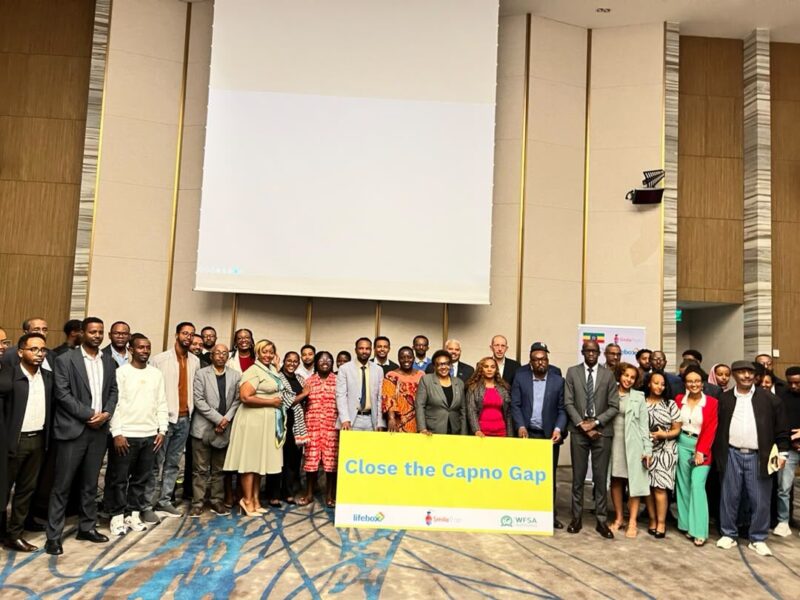
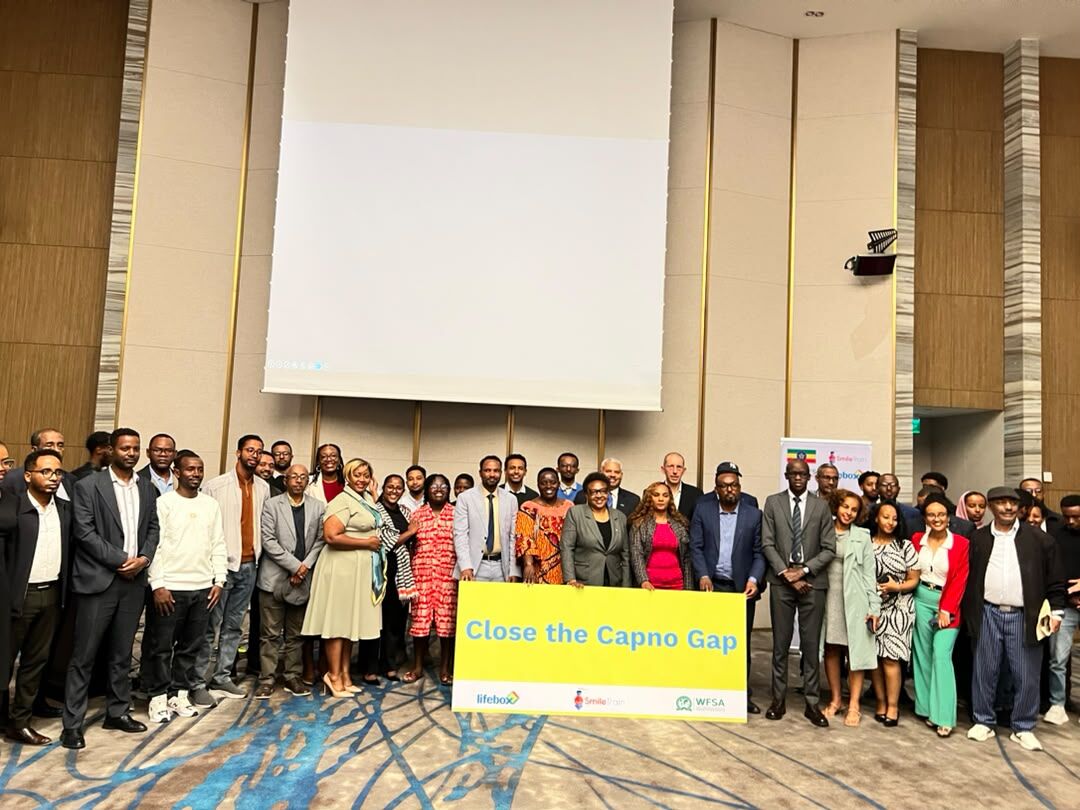
Ministers of Health, clinicians, and partners meeting alongside the 76th session of the WHO Regional Committee for Africa(RC76) in Addis Ababa on 23 August 2026 called for urgent action to tackle Africa’s continuing shortage of safe anesthesia services and essential patient monitoring; warning that the gaps contribute to avoidable harm across surgical and emergency care.
A high-level side event titled ‘Strengthening Emergency, Critical and Operative (ECO) Care Across Africa’, co-hosted by the FDRE Ministry of Health (Ethiopia), Smile Train, and Lifebox in collaboration with the World Federation of Societies of Anesthesiologists (WFSA), was attended by higher officials and organizational representatives including Hon. Dr. Florence George Samizi (Ministry of Health, Tanzania), Diana NambatyaNsubuga, Ph.D (Africa CDC), Dr. Bejoy Nambiar (WHO-Ethiopia), Dr.Stephen Okeloand Professor Bruce Biccard (CANECSA), and other delegates joined the engagement. This high-level event brought participants together to review the scale of the challenge and highlight practical solutions.
Dr. Elubabor Buno- Medical Services of the Ministry of Health (MoH), Federal Democratic Republic of Ethiopia, highlighted that the Ethiopian Government remains committed supporting the regional effort to address the urgent burden of critical illness and to strengthen emergency, critical care, and surgical care across Ethiopia and Africa.
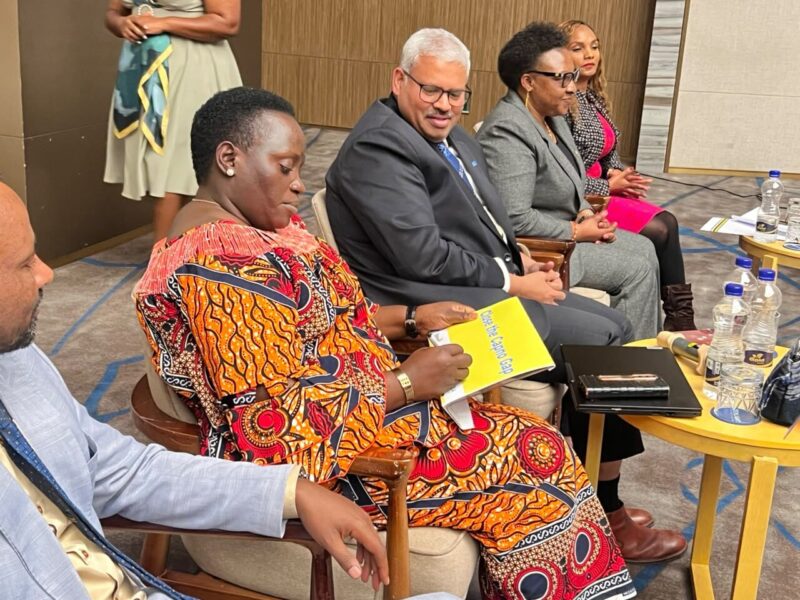
Smile Train, highlighted a locally led, sustainability-focused approach through its training and capacity-building model, including the Pediatric Anesthesia Training for Africa (PATA) fellowship. On the other side Senait B. Alemu, Chief Program Officer at Lifebox assured Safer Surgical Systems strengthening approach is on its remarkable achievement; stressing that closing patient safety gaps requires coordinated action and health system commitment; particularly from Ministries of Health and health initiatives and professional associations.
Participants emphasized that improving anesthesia and acute care is not limited to expanding operating theatre services. Rather, it strengthens the entire continuum of care, from the emergency room, to ‘surgical intervention’, and through ‘intensive and critical care’ support, ensuring patients receive timely, safe, and integrated treatment.
A central focus of the discussions was ‘capnography’, a monitoring technology that helps detect early airway and ventilation complications. Speakers noted that while the equipment is common in high-income settings, many low-resource operating rooms across the region still lack reliable access, contributing to unsafe and unmonitored care.
Delivering closing remarks, Dr. Sompwe Mwansa of WFSA underscored the human rights dimension of the issue, stating: “Safe surgical, emergency, and critical care is not an optional extra; it is an indispensable human right and the backbone of universal health coverage. Let us commit to making unmonitored anesthesia and acute care a thing of the past in Africa.”
The event concluded with a clear commitment to advance RC76-linked statements and ongoing engagement to support safer anesthesia, stronger emergency and critical care systems, and improved patient monitoring across Africa.