By Irma Kacharava , 🌎 International PR & Luxury Brand Strategist | Global Markets
People have always crossed borders for healthcare to find a specialist, seek a second opinion, access expertise unavailable at home, or avoid long waiting times. But international healthcare is changing.
Patients are increasingly looking beyond geography. They want access to the right expertise, informed decisions, personalized care and support throughout the healthcare journey.
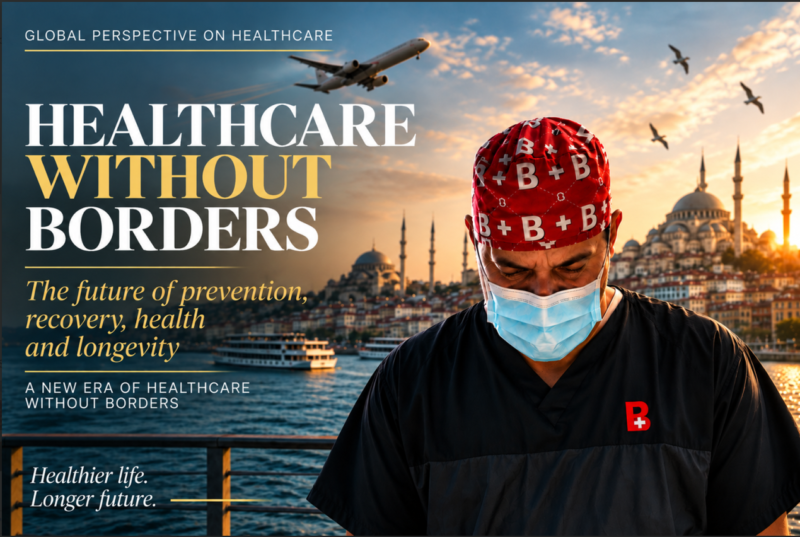
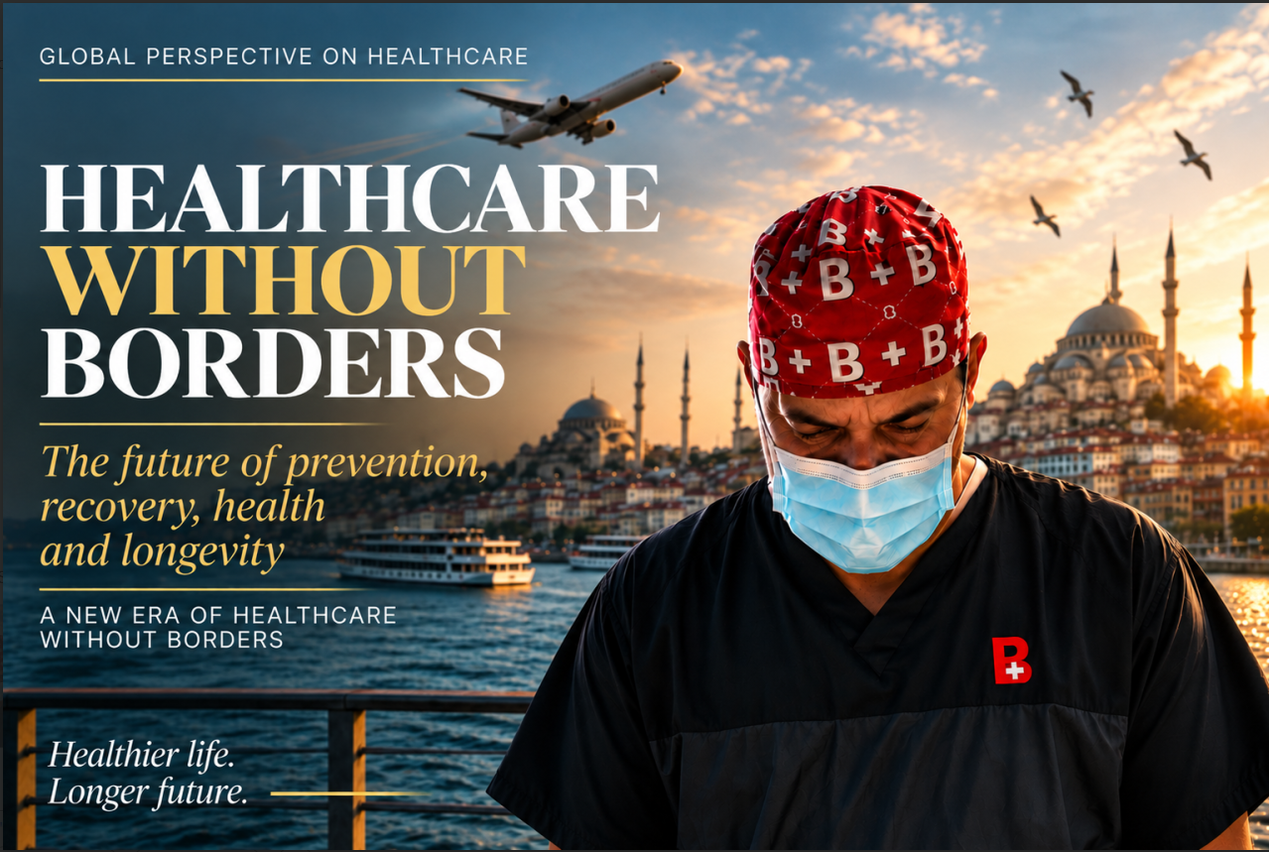
Istanbul provides an interesting perspective on this transformation. Dr. Bülent Cihantimur, who has more than 25 years of experience in plastic and reconstructive surgery and has treated international patients, has observed how patient expectations have evolved.
Today, patients are more informed and more involved in decisions about their health. Some travel for specialized expertise or technology, while others seek a second opinion or treatment options that may not be readily available in their home countries.
As healthcare becomes more global, safety and transparency remain essential. Patients considering treatment abroad should verify that the institution is properly licensed, physicians are appropriately qualified, and facilities meet the necessary standards. They should also understand who will be responsible for their care after treatment and what support is available if they need further medical attention after returning home.
Longevity has become one of the most important discussions in modern healthcare. But living longer is only part of the equation. The more important question is how people want to live those additional years.Healthy aging means maintaining mobility, independence, mental sharpness, and the ability to remain active and connected to family, work, and society.
Medicine can extend life, but its role increasingly goes beyond treating illness. Strength, dignity, functionality and quality of life are becoming equally important measures of health.
The goal, therefore, is not simply to add years to life, but to add life to those years.
The most significant advances may not simply focus on helping people look younger, but on helping them remain healthier, stronger and more independent for longer, while improving recovery from illness and injury.
Artificial intelligence, data and other technologies can help physicians identify potential problems earlier, understand patients more comprehensively and make increasingly personalized decisions.
Yet technology is unlikely to replace the physician. Its greater potential may lie in helping doctors understand patients better and make more informed decisions.
Behind every diagnosis or procedure is a person with fears, expectations, questions, and uncertainty. Listening and communicating honestly can be as important to the patient experience as technical expertise.
Medicine can treat the body, but trust, hope, and human connection can influence how people experience recovery.
Ultimately, the future of medicine will be shaped by science, technology, data, innovation and personalized approaches to care. But its purpose remains simple: helping people live not only longer, but healthier, more independent and more meaningful lives.