





Tangier, Morocco, April 2026, News Analysis
In a stark warning delivered in Tangier, Africa’s leading financial institutions have made one thing clear: the continent’s digital transformation is not being held back by a lack of ideas, but by a failure to finance them effectively.
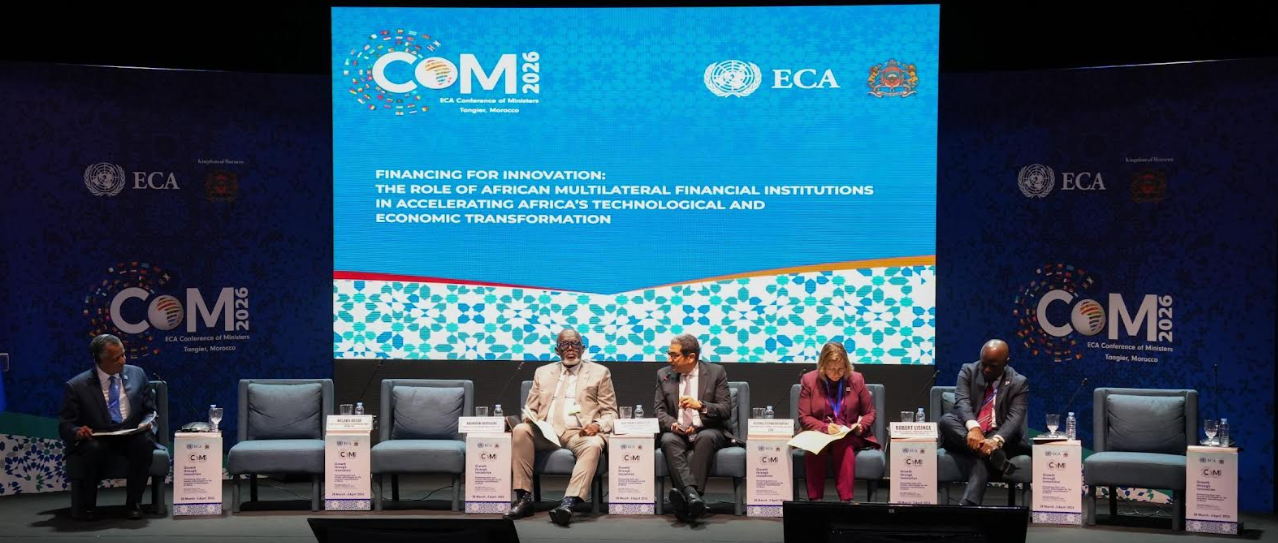
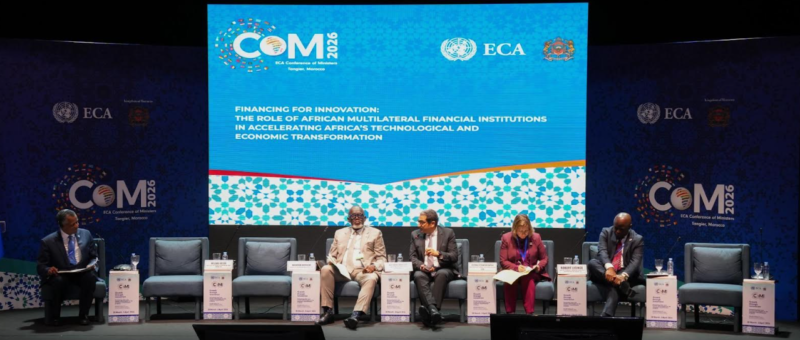
At a high-level session held alongside the 58th Session of the Economic Commission for Africa Conference of African Ministers of Finance, Planning and Economic Development, policymakers, bankers, and development leaders converged around a troubling paradox. Despite growing pools of capital and a rapidly expanding digital economy, Africa’s innovation sectors remain starved of the long-term, affordable financing needed to scale.
The Core Problem: Capital Exists, But It Doesn’t Flow
Speakers repeatedly emphasized a structural disconnect: money is available, but not reaching the sectors that need it most. According to Hanan Morsy of the United Nations Economic Commission for Africa, the issue is systemic:
Africa’s challenge is not creativity it’s financing architecture.
High borrowing costs, currency volatility, weak risk-sharing tools, and a shortage of “bankable” projects form a bottleneck choking off investment in areas like AI, digital infrastructure, and tech startups.
This insight was reinforced by Haytham Elmaayergi of the African Export-Import Bank, who noted that institutional fragmentation and poor project preparation are just as limiting as funding gaps themselves.
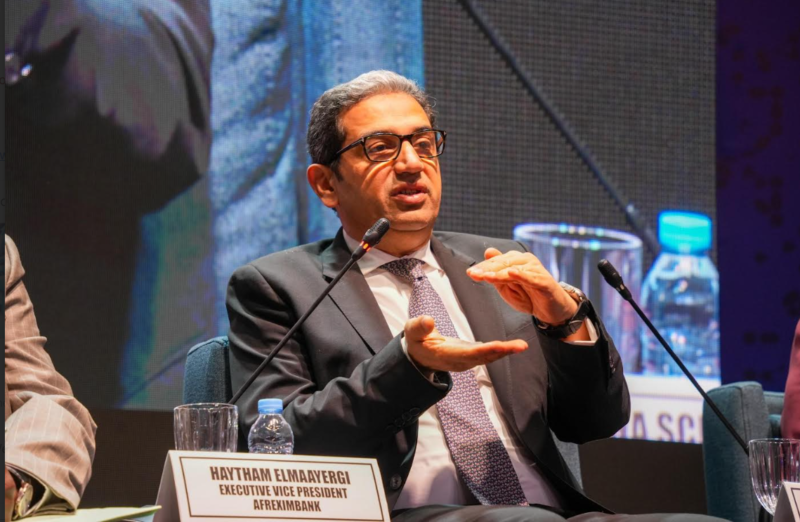
“One of Africa’s key challenges is not a lack of capital, but a shortage of bankable projects and stronger institutional collaboration to scale investment.”
The Missing Middle: Early-Stage Innovation
One of the most critical weaknesses identified is the lack of financing for early-stage innovation. Unlike traditional infrastructure, tech investments carry uncertain risk profiles, making them harder to finance using conventional tools.
As Adeniran Aderogba of the Regional Maritime Development Bank put it, the financial system is simply not designed for innovation risk.
This leaves startups and emerging technologies stranded in what analysts often call the “valley of death”the gap between idea and scalable investment.

A Call for a New Financing Playbook
The consensus emerging from the session is that Africa must fundamentally rethink how it finances innovation. Traditional lending models are proving inadequate for the continent’s digital ambitions.
Instead, stakeholders are pushing for:
- Blended finance models that combine public and private capital
- Risk-sharing mechanisms to de-risk innovation investments
- Stronger pipelines of well-prepared, investment-ready projects
- Coordinated action among African financial institutions
Crucially, the discussion also reframed “digital transformation” as part of a broader ecosystem—one that includes energy, infrastructure, and regulatory systems. As Robert Lisinge highlighted, technology cannot scale in isolation.

The Rise of African-Led Financial Coordination
At the center of this push is the Alliance of African Multilateral Financial Institutions, a coalition of African-owned financial institutions with a combined balance sheet exceeding $70 billion. Launched in Addis Ababa in 2024, the alliance represents a growing shift toward African-led solutions to African financing challenges.
Its emergence signals a strategic pivot: away from fragmented, externally driven funding approaches and toward coordinated, homegrown financial architecture.
What’s at Stake
The stakes could not be higher. Africa’s digital economy is widely seen as a cornerstone for:
- Job creation in a youthful population
- Productivity gains across industries
- Global competitiveness in emerging technologies
Yet without structural reform in how innovation is financed, the continent risks falling behind despite its immense potential.
Bottom Line
The message from Tangier is both urgent and transformative: Africa does not need more capital it needs smarter, more coordinated capital.
Until financial systems evolve to match the realities of innovation, the continent’s digital future may remain just out of reach.
About the Alliance of African Multilateral Financial Institutions (AAMFI) or the Africa Club
The Alliance of African Multilateral Financial Institutions (AAMFI), also known as the Africa Club, is an alliance of African-owned and controlled multilateral financial institutions established to advance the interests of their member states in global finance and to promote coordinated African solutions to development financing challenges.
Launched on 17 February 2024 in Addis Ababa, Ethiopia, on the margins of the African Union Summit, AAMFI works to strengthen collaboration, cooperation, and coordination among its members in support of Africa’s sustainable development and integration objectives.
AAMFI brings together leading African financial institutions, including the Africa Finance Corporation (AFC), African Export-Import Bank (Afreximbank), Trade and Development Bank Group (TDB Group), African Reinsurance Corporation (Africa Re), African Trade and Investment Development Insurance (ATIDI), Shelter Afrique Development Bank (ShafDB), ZEP-RE (PTA Reinsurance Company), East African Development Bank (EADB), African Solidarity Fund (ASF), and the Fund for Export Development in Africa (FEDA), as well as new members including the Regional Maritime Development Bank (RMDB) and the West African Development Bank (BOAD).
Collectively, AAMFI members command a balance sheet exceeding US$70 billion, providing critical financing for trade, infrastructure, and development across the continent.
By Ayele Addis Ambelu (ayeleradio@gmail.com)








