Awot Haileslassie Gebrekidan, 4th April 2026, Addis Ababa – Ethiopia
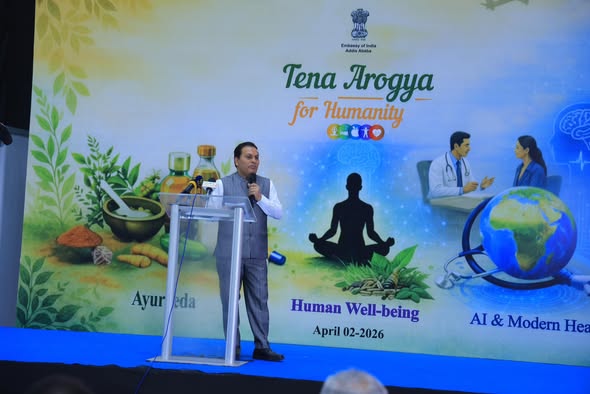
The Embassy of India to Ethiopia and the Permanent Mission to the African Union hosted an event at Addis International Convention Centre (AICC), which aims to reflect the shared commitment towards promoting health and well-being by sharing knowledge and expertise across key sectors such as AYUSH nutraceuticals, medicinal plants, health products, pharmaceuticals (APIs), and medical value travels.
During the opening ceremony, H.E. Ambassador Mr.Anil Kumar reaffirmed the commitment of the Embassy of India in Ethiopia to operationalize beyond facilitating dialogues that can foster the humanity and well-being of people through shared knowledge. He added that the embassy is creating such platforms for government officials, representatives of international organizations, healthcare professionals, medical institutions, pharmaceutical companies, medical device manufacturers, wellness centerss and other potential stakeholders in the modern and traditional health sector.
Lived Experience: Lesson to the Ethiopian Health System
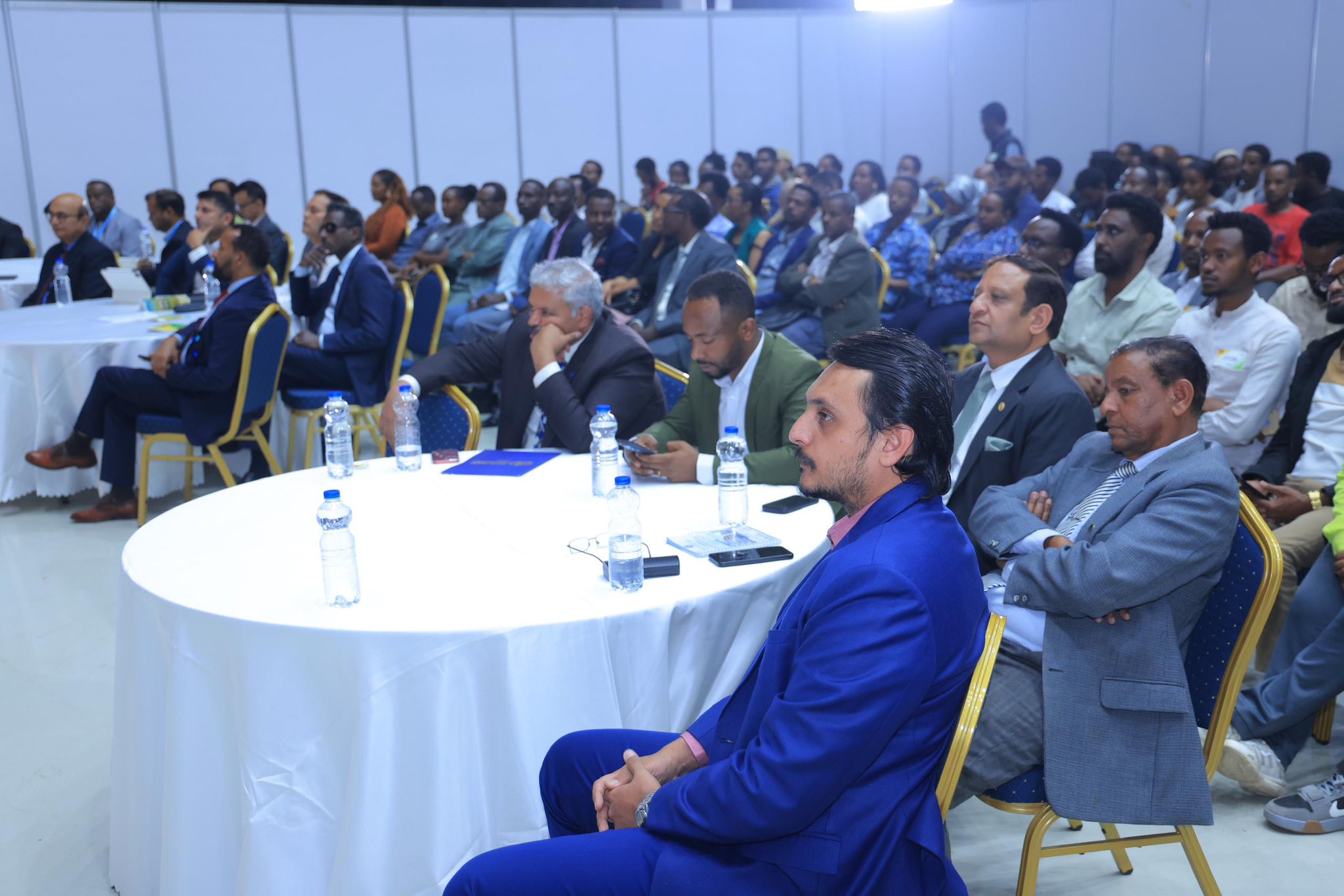
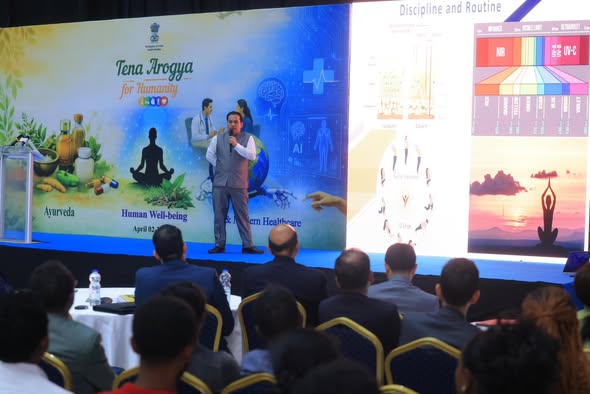
Scholars, medical leaders, and academicians got the chance to explain their lived experience, and Dr. Ayana Yeneabat, a Strategic Advisor at Oxford Policy Management, shared his experience. He acknowledged the Indian systematic integration of traditional and modern medicine, and health emergency and disaster response and resilience systems that can be a good lesson to the Ethiopian health system, as well as African traditional medicine. Dr. Ayana Yeneabat added that the Indian health system is productive in research and development, where high-quality research and outputs are leading the policy and frameworks of medicinal products.
Opportunities for Partnerships with Indian Institutions
Dr. Tariku Deressa, CEO of Gandhi Memorial Hospital, and Dr.Bejoy P.Nambiar, WHO representative to Ethiopia and Health System Policy Advisor, shared their insight focusing on the possibilities of collaboration and digitalization of the health system. According to Dr.Bejoy P.Nambiar, 80% of the African population relies on traditional medicine, which requires major attention to the regulation and framework adjustment to integrate into the modern health system. He added that India has contributed a lot to formulating and regulating traditional medicine with national health systems.
Integrating Traditional Medicine into the Modern Health System of Ethiopia
The event was backed by panel discussions, which included representatives of the government, medical suppliers, researchers, and health and wellness trainers. During this panel discussion, the importance of regional integration and shared experience was echoed to foster closer collaboration in healthcare and pharma, creating self-reliant and research and development-backed pharmaceutical operations. Moreover, India’s high expertise in research, innovation, and medical technology is a huge capacity that can be an input to the Ethiopian health system.
Takeaways: Shared Lesson for Humanity and Societal Well-being
Both Ethiopia and India have deep roots in spiritual healing and traditional medicinal practice,s which can diversify the quest for diversified healthcare and societal wellbeing by providing access and quality health solutions. By integrating traditional and modern ones, high-tech supported research and development will bring the traditional medicine to a more regulated and formal way of healing activity.
The other lesson that Ethiopia should adopt is the focus given to training the health workforce, faculty exchange between medics, higher education institutions, as well as scholars and academicians, with the dynamism of consultancy and advisory roles. Moreover, the regulation and frameworks that India has reached in excellence, like drugs, medical supplies, and pharmaceutical institutions, were the shared lessons from the pharmaceutical suppliers and producers’ side.
As Ethiopia advances its healthcare transformation agenda, the lessons drawn from India’s integrated approach offer a timely and strategic pathway forward. As stakeholders and health practitioners underline, strengthening collaboration in research, regulation, and workforce development, while embracing the synergy between traditional and modern medicine, helps to unlock a more inclusive, resilient, and sustainable health system. The event not only reinforced bilateral cooperation but also set the stage for actionable partnerships that prioritize innovation, knowledge exchange, and equitable access to quality healthcare, ultimately contributing to the broader goal of societal wellbeing and human development.
Photo Credit: The Embassy of India in Ethiopia